Buying Land in Southern Oregon: Costly Mistakes to Avoid Before You Buy
Table of Contents
- Introduction
- Legal Access Issues (Landlocked Properties)
- Zoning Problems and Code Violations
- Fire, Flood, and Geological Hazard Zones
- Water Rights and Usage Limitations
- Easement and Boundary Disputes
- Remote Land and Resale Challenges
- High Development and Infrastructure Costs
- Restricted or Protected Land Designations
- Limited Buildable Area and Feasibility Issues
- Hidden Costs, Fees, and Surprise Repairs
- Due Diligence Checklist for Buying Land in Southern Oregon
- Negotiation Tips, Timelines, and Contract Protections
- Final Thoughts on Buying Land in Southern Oregon
- FAQs
Introduction
Buying land in Southern Oregon can be an incredible investment and lifestyle move, offering scenic views, agricultural potential, and relatively affordable acreage — but there are many common pitfalls that will cost you time and money if you don’t spot them early. Issues like lack of legal access, unclear water rights, high wildfire or flood risk, unresolved zoning or easement disputes, and unexpectedly high development costs are common here, so a little upfront research can save a lot of headaches later.
This guide walks you through the specific types of properties to avoid, the key items to verify during due diligence (surveys, preliminary title reports, hazard maps, and septic and well inspections), and practical steps you can take to protect your purchase — from contract contingencies and extended inspection periods to hiring surveyors, engineers, and title officers to confirm the facts before you sign.
Legal Access Issues (Landlocked Properties)
Properties without legal access are common in rural areas. If a parcel has no road frontage and relies on a neighbor’s easement, that access can vanish. That leaves you negotiating for access or trying to create a new legal route—often expensive and emotionally draining.
- Look for recorded easements or actual road frontage.
- Get an access agreement in writing before you buy.
Zoning Problems and Code Violations
Zoning violations—unpermitted structures, buildings inside setbacks, or additions that never received approval—can become the buyer’s problem. Counties can require removal or costly remediation. Always check permits and get a survey before closing.
Fire, Flood, and Geological Hazard Zones
Much of Southern Oregon faces wildfire risk. Other hazards include floodplain designation and landslides. These labels affect insurance, safety, and long-term value. Avoid properties with severe hazard ratings unless you have a clear mitigation plan and budget.
Water Rights and Usage Limitations
Water rights matter here. Oregon allows limited irrigation without separate water rights; anything beyond local allowance requires proper rights. If you plan an orchard, large garden, or irrigation beyond the standard allocation, confirm rights before you buy.
Easement and Boundary Disputes
Boundary overlaps and unclear deed descriptions lead to legal fights. Surveys reveal the true lines. Don’t skip a professional survey—what looks obvious on the ground can differ from the legal description, and disputes can get expensive fast.
Remote Land and Resale Challenges
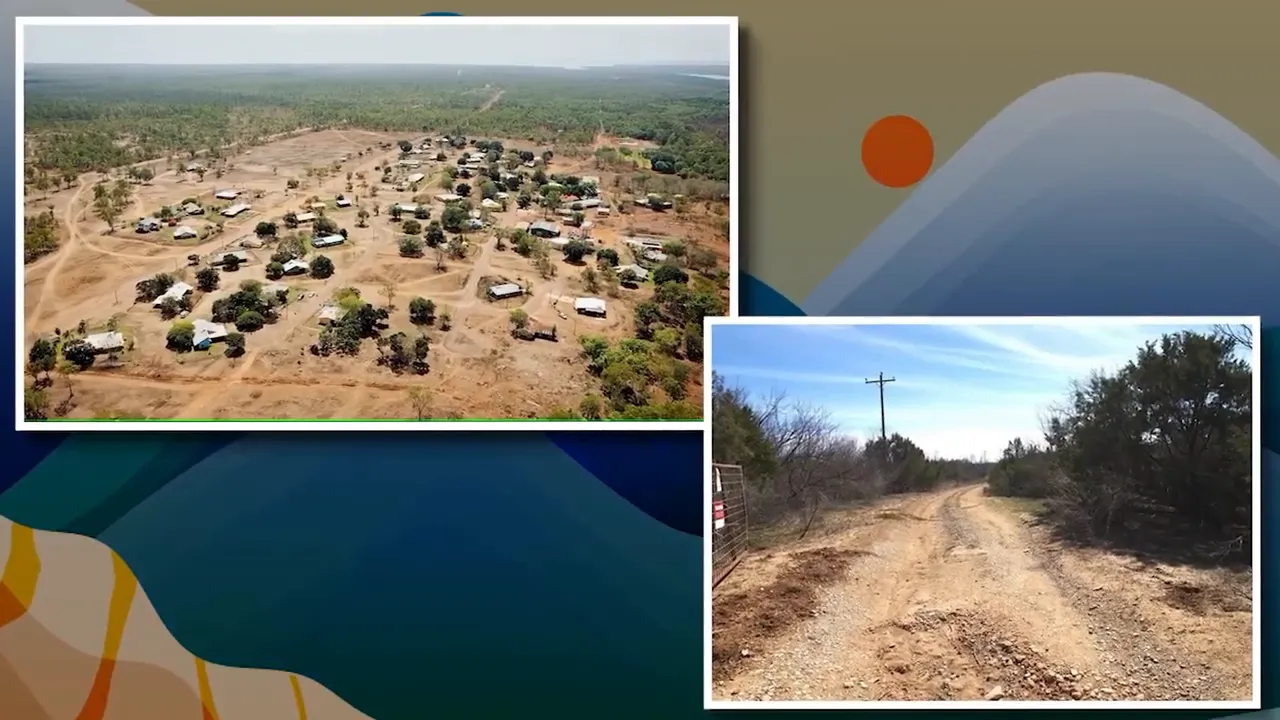
Remoteness affects future buyers. Locations more than 30–45 minutes from services or on noisy main roads reduce market appeal. Consider whether you want total isolation or a balance that preserves resale value.
High Development and Infrastructure Costs
Steep hillsides, long driveways, distant utilities, or needing transformer upgrades add tens of thousands—or more—to your build budget. Estimate utility hookup, road work, site grading, and retaining walls before committing.
Restricted or Protected Land Designations
Historic districts, Wild and Scenic corridors, and conservation overlays come with strict rules—sometimes down to paint color or building style. If your vision includes modern designs or additions, verify restrictions first.
Limited Buildable Area and Feasibility Issues
Wetlands, ravines, and protected buffers can shrink the buildable footprint to a tiny “window.” That limits house size and placement. Have a builder or engineer evaluate feasibility before buying.
Hidden Costs, Fees, and Surprise Repairs
Hidden costs kill projects. Examples include HOA fees, unpaid assessments, liens, old septic systems, failing wells, and required utility upgrades. A preliminary title report, septic inspection, and well log review will surface many issues.
- Order a preliminary title report to find liens.
- Inspect septic and well systems or plan to replace them.
- Build a realistic contingency into your budget.
Due Diligence Checklist for Buying Land in Southern Oregon
Before you close on any parcel while buying land in Southern Oregon, complete these steps:
- Obtain a recent survey showing pins and legal descriptions.
- Review the preliminary title report for liens and easements.
- Confirm water rights and well permits if irrigation is planned.
- Request zoning compliance and permit history from the county.
- Have septic and well inspected by licensed professionals.
- Estimate utility hookup and road development costs with contractors.
- Check hazard maps for fire, flood, and landslide risk.
Negotiation Tips, Timelines, and Contract Protections
If a lot has potential issues but you still want it, protect yourself with a longer due diligence period (for example, 20 business days instead of 10) and contract contingencies. Use inspection findings to negotiate repairs, price reductions, or seller-paid remediation.
Final Thoughts on Buying Land in Southern Oregon
Buying land in Southern Oregon rewards careful research. Avoid parcels with no legal access, unresolved zoning, severe hazard designations, insufficient water rights, boundary disputes, extreme remoteness, impossible build windows, or hidden costs. When in doubt, pay for the experts up front—surveyors, title officers, engineers, and inspectors—to avoid much larger expenses later.
Ready to avoid costly mistakes and find the right parcel in Southern Oregon? Contact Brian Simmons for a free consultation — call or text 541-827-8767 to get started today. I’ll review your property's risks and help you build a solid due diligence plan before you sign.
FAQs
How do I check if a property has legal access?
Review the recorded deed for easements, request a title report, and order a survey. If access relies on a neighbor’s easement, obtain a copy of the recorded easement and confirm it is permanent and not revocable.
What if a property is in a fire zone?
Assess mitigation options, the cost of defensible space work, and insurance availability. Consider properties closer to a fire station or with lower hazard ratings to avoid high insurance premiums and risk.
Are water rights hard to verify?
They can be complex. Start with county water resources records and well logs. For irrigation beyond basic allowances, consult a water rights specialist or attorney to confirm entitlements.
How much should I budget for hidden costs?
Include a contingency of at least 10–20% of your build budget for surprises, plus specific reserves for septic replacement, well work, and utility hookups if those items are uncertain.
READ MORE: Southern Oregon Luxury Neighborhoods: Where Wealthy Buyers Live

Buying Southern Oregon
At Buying Southern Oregon, we are a dynamic team dedicated to helping you achieve your real estate goals. Combining Brian Simmons’ deep market expertise and Josh Berman’s strong negotiation skills, we provide personalized service and local knowledge to ensure a seamless and rewarding experience. Whether you’re buying, selling, or relocating, we’re here to guide you every step of the way and make your Southern Oregon real estate journey a success.
Watch Our Latest Video