Moving to Oregon? The “Greater Idaho” Divide Explained (What It Means for Buyers)
Table of Contents
- Introduction
- Reason #1: Identity and Local Control
- Reason #2: Affordability and What Your Budget Buys
- Reason #3: Migration Trends, Remote Work, and Broadband
- Reason #4: Taxes, Regulation, and Property Rights
- Reason #5: Why Southern Oregon Hits the Sweet Spot
- Reason #6: The Risks and Trade-Offs to Know
- Reason #7: Smart Strategies for Buyers and Investors
- How the Divide Shapes Buyer Behavior
- Practical Checklist for Anyone Moving to Oregon
- Where Different Buyers Should Look
- Final Thought
- FAQs
Introduction
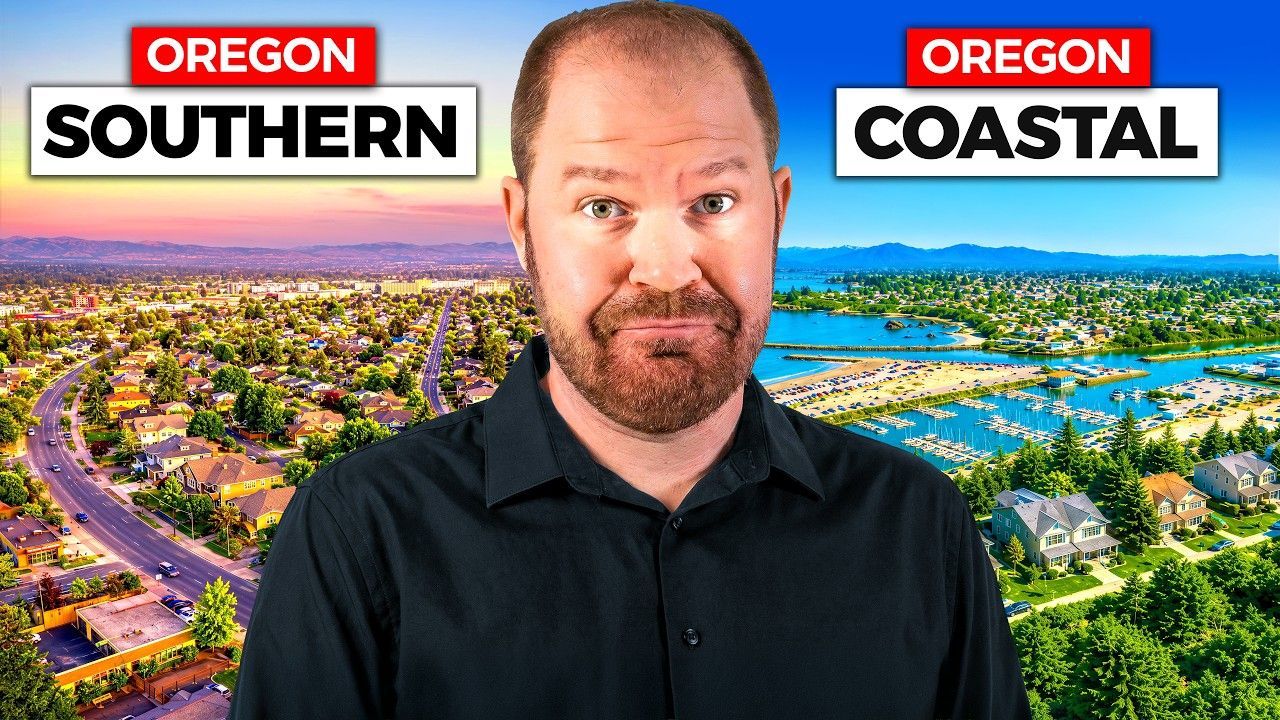
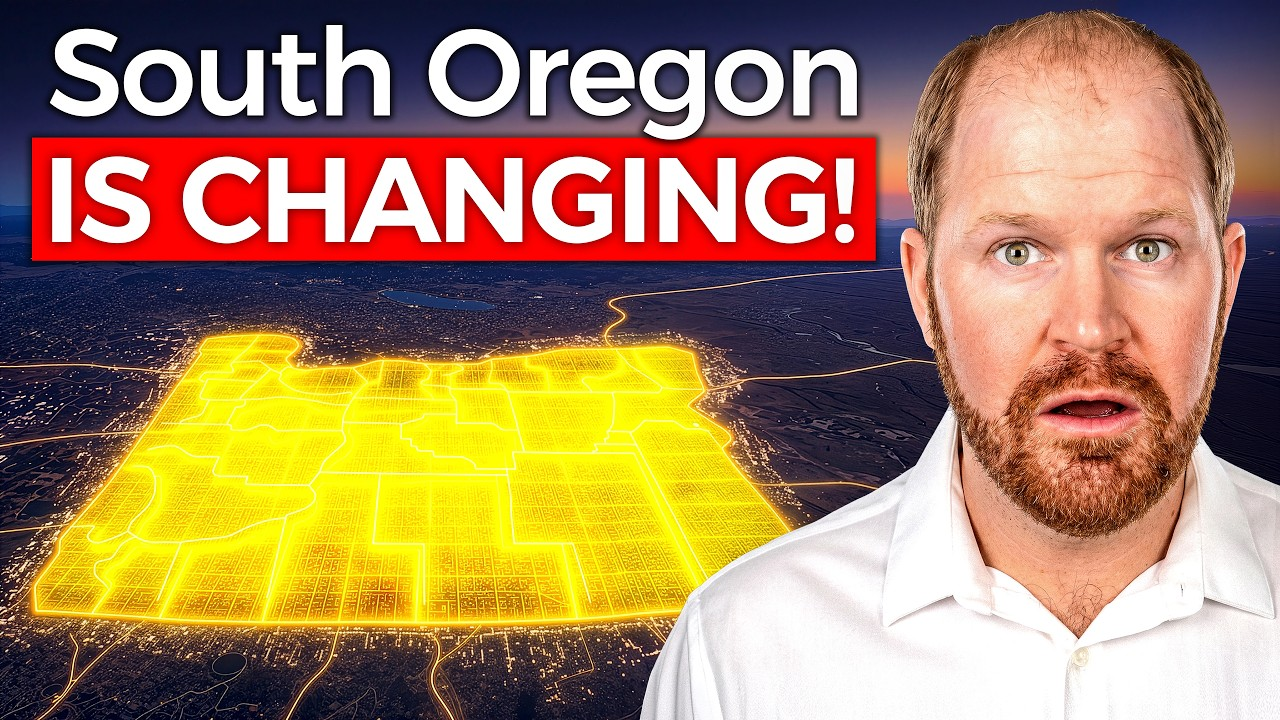
Oregon has two very different personalities. Along the I-5 corridor you find dense, amenity-rich cities where regulation and higher costs shape daily life. East and south of the Cascades there are wide-open landscapes, lower prices, and a cultural appetite for less government oversight. That split has produced a movement: more than a dozen counties have voted to explore leaving Oregon to join Idaho. On paper that kind of border change is almost impossible. In practice it is already changing how people think about moving to Oregon, where they look for homes, and which communities anticipate growth.
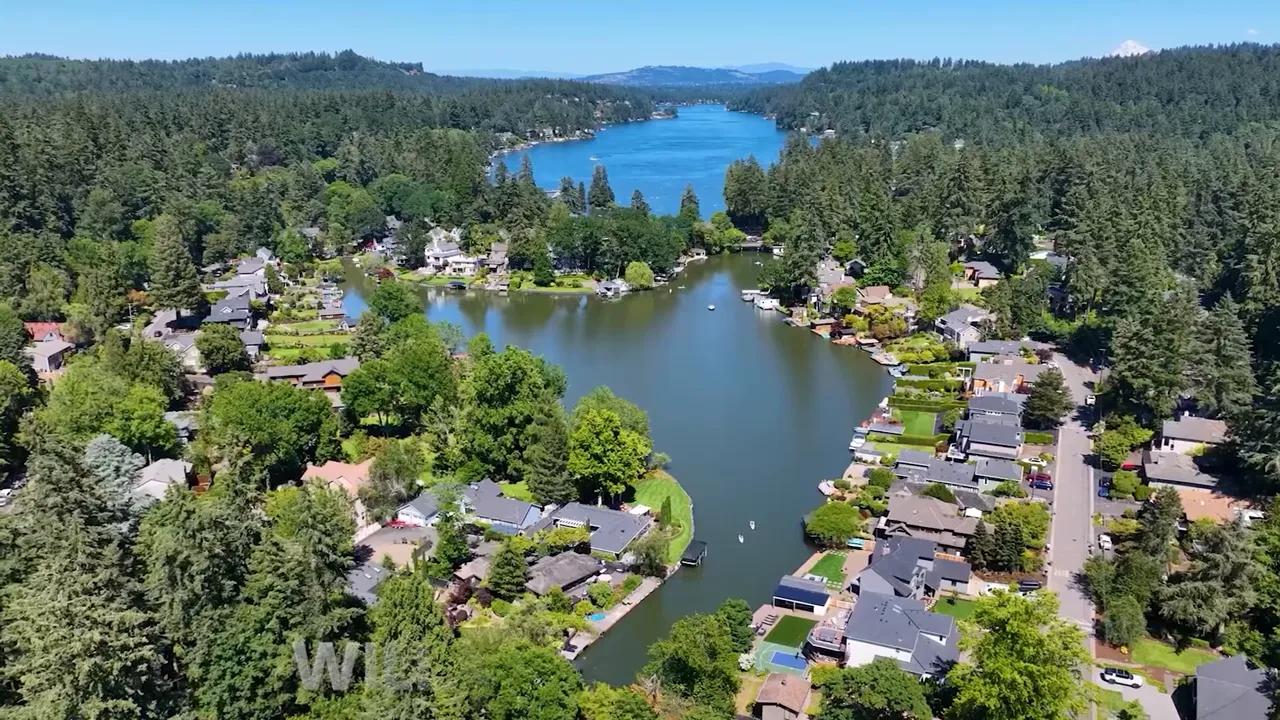
Thirteen counties have passed measures to talk about joining Idaho. Those counties cover roughly two thirds of Oregon's land area but only a small share of the population. The vote totals in some areas were decisive: in Lake County nearly three quarters of voters supported exploring the idea. Whether or not state or federal lawmakers ever redraw maps, the results are a strong signal about local priorities: lower taxes, less restrictive land use rules, and more personal control over property decisions.
Reason #1: Identity and Local Control
At the heart of the discussion is identity. Longstanding regional movements like the push for a State of Jefferson—dating back to the 1940s—reflect a desire for local control and a culture that prizes self-reliance. Those cultural forces matter when people think about moving to Oregon. Newcomers who want space, autonomy, and a lower cost of living are increasingly drawn to places that feel aligned with those values.
Those values are not abstract. They affect zoning, permitting, and what kind of projects get built. Areas that emphasize fewer restrictions attract homesteaders, hobby farmers, and buyers who want to build or subdivide without a long regulatory process. If your top priority when moving to Oregon is being able to use your land the way you want, the interior counties often make a lot of sense.
Reason #2: Affordability and What Your Budget Buys
Affordability is the second major driver. Median home prices east and south of the Cascades are often half or less than those in Portland, Bend, or Eugene. In Malheur County the median hovers near $250,000, while many Portland suburbs and hotspots exceed $600,000 to $900,000. That price gap means the same budget buys much more land and privacy in parts of eastern and southern Oregon.
For anyone moving to Oregon on a fixed budget, the math is simple: in many interior counties you can own acreage and build a yard or small farm for the cost of a starter condo in a major metro. That reality is prompting a lot of people to expand their search outward from cities like Bend and Portland to towns around Medford, Grants Pass, and beyond.
Reason #3: Migration Trends, Remote Work, and Broadband
Migration trends back up the anecdotal shifts. Census data and state analysis show faster percentage growth in several interior counties than in many western counties. Counties such as Crook, Jefferson, and Sherman have seen notable rebounds. Part of this is remote work: improved connectivity and willingness to relocate have unlocked markets that were previously impractical for telecommuters.
Infrastructure investments are crucial. Over $400 million is planned through statewide programs to expand broadband in rural Oregon. Better internet, along with targeted housing grants and road improvements, turns what used to be a lifestyle trade-off into a viable long-term choice. For people moving to Oregon who need reliable work-from-home connections, that change makes interior and southern counties much more attractive.
Reason #4: Taxes, Regulation, and Property Rights
Regulation and taxes play a big role in the conversation. Analyses estimate that if the counties pursuing the greater Idaho idea actually moved, residents could see significant reductions in state income tax burdens. That financial difference is one reason why property rights, permitting timelines, and land use rules have become core considerations for buyers thinking about moving to Oregon.
Where rules are lighter, development tends to be easier and less costly. That stimulates construction activity, creates investor interest, and can accelerate appreciation once population inflows begin. Conversely, highly regulated metro markets can limit supply, driving prices up and volatility higher. Your tolerance for volatility versus stability should guide whether you focus on urban cores or interior counties when moving to Oregon.
Reason #5: Why Southern Oregon Hits the Sweet Spot
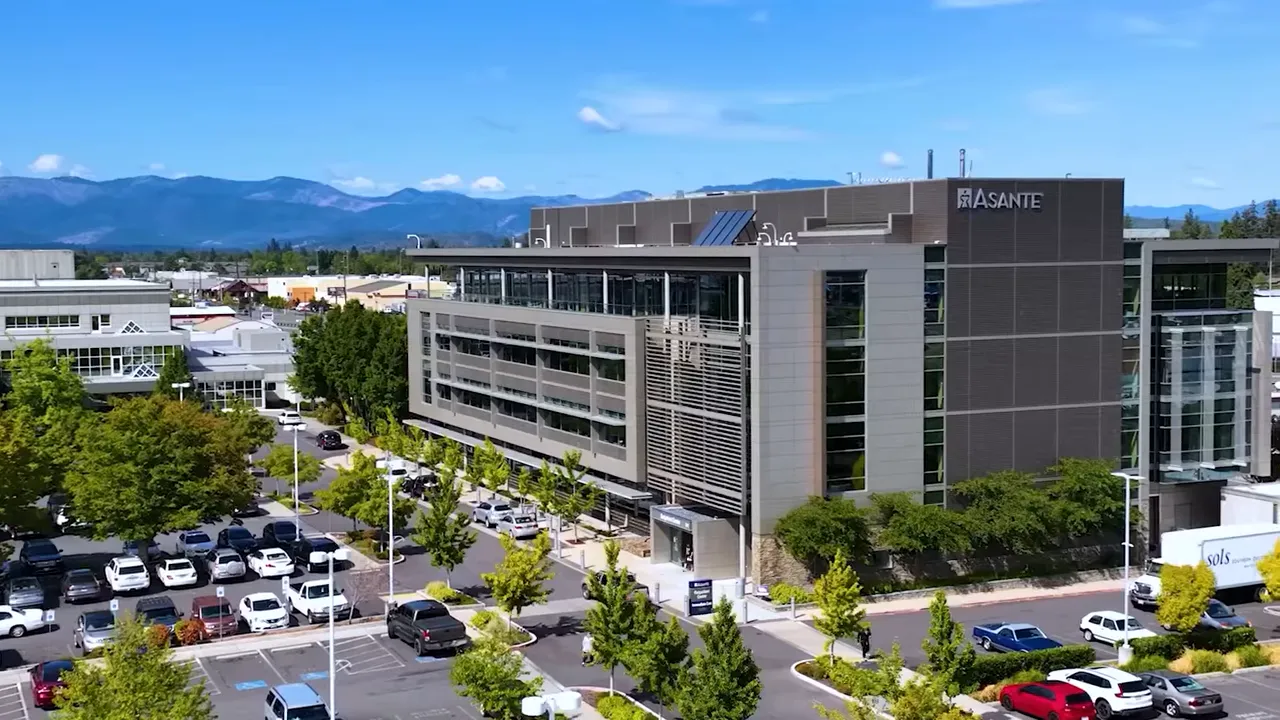
Southern Oregon sits at the sweet spot between extremes. Towns like Medford, Ashland, and Grants Pass balance affordability, infrastructure, and lifestyle in a way that makes them appealing to retirees, remote workers, and families. You can find single family homes in the $300,000 to $400,000 range, access good hospitals and an international airport, and still live close to wineries, mountains, and countless outdoor activities.
For many people moving to Oregon, southern Oregon offers a practical option: space and privacy without sacrificing essential services. The region has cultural assets too—Ashland’s arts scene and Southern Oregon’s growing wine reputation make it more than just a cheaper alternative.
Reason #6: The Risks and Trade-Offs to Know
Risks remain. Infrastructure lags, economic concentration, and slower resale liquidity are real considerations. Some rural counties rely on a handful of industries, which can leave local economies vulnerable. Fire response times, school funding, and specialty medical care vary from county to county. When thinking about moving to Oregon, weigh lifestyle goals against these practical realities.
Three quick checks to reduce risk:
- Does this location support your desired lifestyle? Not just the price but day-to-day living.
- Is the local economy or infrastructure improving? Active projects and job growth matter.
- Would there be a pool of buyers if you needed to sell in 3 to 5 years? Resale potential matters even for long-term owners.
Reason #7: Smart Strategies for Buyers and Investors
How to act strategically if you are moving to Oregon or investing here:
- Target towns with population momentum and planned infrastructure upgrades for stronger resale and appreciation potential.
- Consider proximity to hospitals, airports, and highways—these amenities create long-term value.
- If you want deep independence, look to remote counties where acreage and privacy are abundant, but accept slower market turnover.
- For the best risk-reward balance, watch the smaller communities on the edge of development zones near Medford and other regional hubs.
Examples of places to watch include Grants Pass, Central Point, Eagle Point, Rogue River, and communities around Bend where outskirts remain more affordable. Look for properties with water rights, ADU potential, or direct access to outdoor recreation; those features tend to protect value over time.
How the Divide Shapes Buyer Behavior
The greater Idaho conversation is a symptom of a larger migration pattern: people choosing lower cost, higher freedom locations over dense, regulated metros. That choice is reshaping demand. Buyers who are open to lifestyle change—and who prioritize space and lower taxes—are increasingly drawn to interior Oregon. If your move is driven by lifestyle rather than a specific job location, you have options that deliver far more value.
That said, Oregon is not one housing market. The west side and the valley offer urban amenities, walkability, cultural life, and higher-paid jobs. Eastern and southern Oregon provide space, lower prices, and relaxed zoning. Choose the side that aligns with your priorities.
Practical Checklist for Anyone Moving to Oregon
Before you commit to a neighborhood or county, complete this checklist:
- Community growth signals: Are new schools, medical centers, or grocery stores being planned or built?
- Job and wage stability: Is the regional employment base diversifying?
- Population inflow data: Review migration statistics and local reporting for trends.
- Lifestyle fit assessment: Do local amenities match what you want day to day?
- Infrastructure timelines: Confirm broadband and road improvement schedules.
- Resale potential research: Ask how long similar homes spend on market and inventory trends.
- Land use and zoning review: Verify what you can build and what utilities exist on the property.
Answering these items will reveal which counties offer durable value rather than temporary hype. That approach matters whether you are moving for retirement, switching careers, or investing.
Where Different Buyers Should Look
If you are priced out of Portland, Bend, or Eugene, focus on southern and interior counties—Jackson, Josephine, Klamath, Crook. For long-term growth and resale potential, target towns with momentum and infrastructure investments such as Grants Pass, Eagle Point, and La Pine. If your goal is full independence on acreage, remote counties like Lake, Harney, or Baker county fit that vision but come with slower resale timelines.
Investors should watch communities at the edge of development corridors where buildable lots and proximity to regional assets create upside. Relocating retirees will likely find the best blend of climate, healthcare, and amenities in southern Oregon.
Final Thought
Maps and headlines will get attention, but the deeper story is about how people want to live. The same forces pushing county votes to explore joining another state are pushing families and professionals to rethink where they plant roots. If you are moving to Oregon, match your housing choice to the lifestyle you actually want. Seek communities where infrastructure and population trends support your plan and prioritize resale potential even as you chase value.
Approached thoughtfully, moving to Oregon can deliver an enormous upgrade in freedom, space, and quality of life—especially if you look beyond headlines and examine fundamentals.
FAQs
Is the greater Idaho plan likely to change state borders anytime soon?
A border change would require approval from both state legislatures and the US Congress. That is highly unlikely in the short term. The proposals are more useful as cultural and economic signals than as realistic near-term boundary shifts.
Which parts of Oregon are best for remote workers?
Southern Oregon—areas around Medford, Grants Pass, and Ashland—offer a strong combination of broadband expansion, local amenities, and lower housing costs. Interior towns near Bend and certain counties with upgraded infrastructure are also good choices for remote workers.
Will prices keep rising in southern and interior Oregon?
Many of these markets are showing steady appreciation driven by improved infrastructure, inbound migration, and limited supply. Early movers into counties with active growth signals often see the strongest long-term gains. That said, market conditions vary by town and property type.
How important is broadband when moving to Oregon?
Extremely important. Reliable high-speed internet is a foundational requirement for remote work and modern living. Regions receiving broadband investment are far more likely to attract long-term residents and see property value appreciation.
What are the trade-offs of buying rural land?
Rural land offers space, privacy, and typically lower prices. Trade-offs include longer commutes to major hospitals or airports, potential infrastructure lags, higher fire risk in some regions, and slower resale liquidity. Know your tolerance for those trade-offs before committing.

Buying Southern Oregon
At Buying Southern Oregon, we are a dynamic team dedicated to helping you achieve your real estate goals. Combining Brian Simmons’ deep market expertise and Josh Berman’s strong negotiation skills, we provide personalized service and local knowledge to ensure a seamless and rewarding experience. Whether you’re buying, selling, or relocating, we’re here to guide you every step of the way and make your Southern Oregon real estate journey a success.
Watch Our Latest Video