Moving to Ashland, OR: What You Need to Know Before You Go
Table of Contents
- Introduction
- Typical Resident Profile and Politics
- Real Estate Introduction
- Climate and Natural Beauty
- Facts and History of Ashland
- Cost of Living in Ashland
- Sense of Community
- Restaurants in Ashland
- Outdoor Activities
- Neighborhoods in Ashland
- Schools in Ashland
- Worst Things About Living in Ashland
- Moving to Southern Oregon? Give me a Call!
- FAQs
- Final Notes for Anyone Moving to Ashland, OR
Introduction
When people think of Ashland they usually picture an artsy, cultured town with a lively downtown plaza, galleries on every corner, and a calendar full of performances. That reputation is earned. Ashland hosts the Oregon Shakespeare Festival and the Ashland Independent Film Festival, and Southern Oregon University injects a steady stream of creativity and intellectual energy into the community.
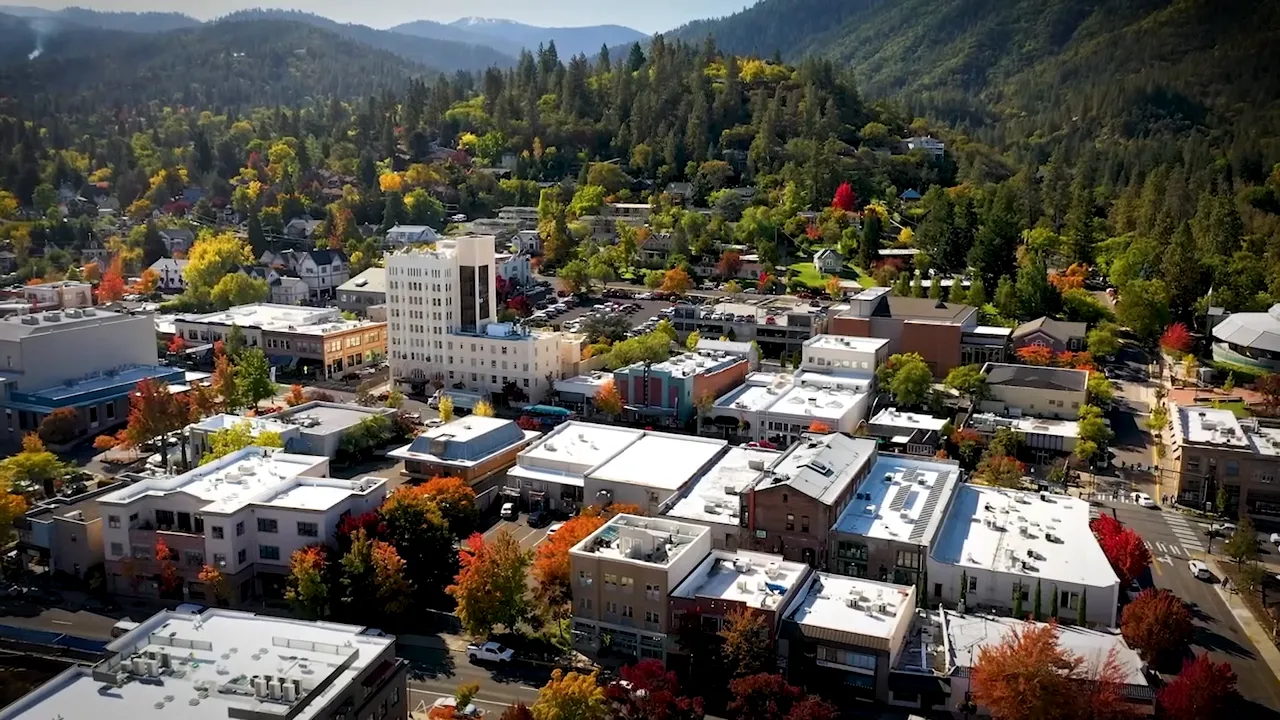
The town is compact and walkable, so it is easy to spend an afternoon wandering galleries, catching a matinee, and grabbing coffee at a locally owned shop. Lithia Park in the heart of town amplifies the cultural vibe by providing a beautiful civic green space for festivals, concerts, and casual meetups.
VIEW HOMES FOR SALE IN ASHLAND, OR
Typical Resident Profile and Politics
A typical Ashland resident might be a retired professional, an artist, a university faculty member, or someone who chose the town because it blends culture, outdoor access, and a reputation for quality of life. Politically, Ashland tends to be more liberal than the rest of Southern Oregon, which gives the city a unique personality within an otherwise more conservative region.
If you value progressive policies on sustainability and the arts, Ashland likely feels welcoming. If you prefer a different political atmosphere, the town’s strong identity is something to be aware of so you know what to expect when moving to Ashland, OR.
Real Estate Introduction
Real estate in Ashland is one of the most talked-about local topics. The town of roughly 20,000 people has housing options that range from historic cottages near the plaza to modern, multi-million dollar estates on the surrounding hills. Median home values trend higher than the rest of Southern Oregon, but when compared with major West Coast metros, Ashland remains relatively affordable.
Expect variety: walkable historic neighborhoods, hillside properties with sweeping views, and planned communities with solar-forward homes. If you are moving to Ashland, OR, start by deciding whether walkability, views, or acreage matters most. That will narrow the field quickly.
Climate and Natural Beauty
Ashland sits in the Rogue Valley and enjoys a Mediterranean-style climate. Unlike the coastal rainforests of northern Oregon, Ashland sees around 200 days of sunshine a year and milder, drier conditions overall. Summers are warm, often in the 90s and occasionally into the 100s. Winters are moderate: daytime highs typically sit in the 40s while overnight lows can dip into the 20s or teens during cold snaps.
The climate supports lush yards and a strong gardening community. Streets are lined with trees, and public spaces like Lithia Park and the Japanese garden show off the town’s green side. The combination of accessible outdoor recreation and a sunny climate is a major reason people consider moving to Ashland, OR.
Facts and History of Ashland
Ashland was settled in the mid-1800s and was once called Ashland Mills. It sits at the southern end of the Rogue Valley about 16 miles north of the California border and is positioned near the C pass along Interstate 5. The city sits at an elevation just under 2,000 feet, which typically brings slightly cooler summers and more winter snowfall than lower valley towns.
Historic architecture is part of the town’s charm: ornate early 1900s homes and several buildings on the national register give downtown a curated, small-town feel. Lithia Park—designed by the same landscape architect involved with Golden Gate Park—anchors the town and ties history, nature, and community together.
Cost of Living in Ashland
Ashland is one of the pricier parts of Southern Oregon, but context matters. The overall cost of living is around 6% above the national average, which includes housing, groceries, and transportation. That is modest when compared to coastal California or the Seattle area, where housing costs can be dramatically higher.
Median home prices in Ashland hover around $600,000. You can still find three-bedroom, two-bath homes under a million in many neighborhoods; premium, newly built homes and hilltop estates push into the multi-million-dollar range. Property taxes in Ashland are notable—expect them to be higher than some neighboring towns—and the city levies a food tax that affects dining out.
Sense of Community
One of Ashland’s strongest selling points is its community. With a population of about 20,000, the town has a small-city feel where you can run into neighbors at the co-op, know the barista at your favorite coffee shop, and rely on the local arts and service groups to support cultural programming and small businesses.
Even tourism supports community cohesion here. Festivals and the Shakespeare season bring visitors who support restaurants, galleries, and lodging. Locals generally embrace the interplay of tourism and civic life, which helps sustain a strong calendar of events and a resilient local economy.
Restaurants in Ashland
Ashland punches well above its weight for food. The town hosts fine dining that has earned national recognition alongside beloved neighborhood spots and bakeries. Popular picks include a pasta-forward bistro known for housemade noodles and a small restaurant that made a national list of top restaurants.
There’s also a creative cocktail scene, artisan bakeries, craft breweries, and nearby vineyards supporting wine tasting. Dining in Ashland isn’t just about food—it’s a social activity deeply woven into local life.
Outdoor Activities
If you love the outdoors, Ashland is tough to beat for variety and access. Trails lace the surrounding foothills and mountains, with options for easy town walks and more ambitious day hikes. Mount Ashland provides skiing and mountain biking. Nearby lakes like Emigrant Lake, Howard Prairie, and Hyatt Lake offer boating, fishing, paddleboarding, and relaxing lakeside days.
Rivers such as the Rogue and Klamath invite rafting, fishing, and hours spent exploring water corridors. The Pacific Crest Trail is accessible from regional trailheads, and Crater Lake is close enough for weekend trips. The town’s location makes recreation an everyday possibility rather than a weekend-only treat.
Neighborhoods in Ashland
Ashland’s neighborhoods deliver distinct lifestyles. Below are the areas worth knowing when moving to Ashland, OR.
Downtown Plaza and Granite Street
The plaza is the town’s heartbeat: restaurants, shops, and the Oregon Shakespeare Festival sit within easy walking distance of many historic homes. Granite Street, a stone’s throw from the plaza, features beautiful older residences and unbeatable proximity to downtown amenities.
Ashland Hills
Ashland Hills is known for views and a hillside vibe. Homes here range from modest original houses to large custom builds with panoramic valley views. It’s close to trailheads and offers a quieter residential atmosphere while remaining minutes from downtown.
Mountain Park and North Mountain Park Areas
Mountain Park neighborhoods sit near Bear Creek and public parks, blending green spaces with newer construction and some condos. These neighborhoods are family-friendly and convenient, with community amenities such as walking paths and dog parks close at hand.
Randy Street / Coffee Lane / Nevada Street
This pocket offers newer homes and solar-equipped neighborhoods. It also includes cottage-style developments—compact, affordable options under $400,000—that are rare in Ashland and appealing for downsizers or first-time buyers who want a low-maintenance entry into town living.
East Hills and Immigrant Lake Area
East of town, the foothills and areas near Immigrant Lake have larger parcels, vineyards, and estate-style properties. These neighborhoods are ideal if you want acreage, horses, or space for a significant garden. They also provide easy access to Green Springs Highway for trips deeper into the Cascades.
Schools in Ashland
Ashland is a college town anchored by Southern Oregon University, which contributes to the local intellectual and cultural climate. The public school system includes three elementary schools, a middle school, a high school, and an outdoor school program serving kindergarten through eighth grade.
Local schools are often rated well compared to some neighboring districts, and Ashland High School earns positive reputation for academic performance. If schools are a priority, investigate district boundaries, visit campuses, and check recent ratings and test scores on reliable sites such as GreatSchools.
Worst Things About Living in Ashland
No town is perfect. Here are the most commonly mentioned downsides to moving to Ashland, OR.
- Cost and Taxes: Property taxes are higher than many other Southern Oregon towns. The city also imposes a food tax that impacts dining out.
- Progressive Local Policies: The city council pursues progressive environmental policies. Some proposals, such as fire score regulations and restrictions on natural gas in new construction, have generated debate about regulatory overreach and homeowner choice.
- Relative Isolation: Ashland is culturally distinct from surrounding areas and sits a fair distance from larger urban centers like Medford. That sense of being an island appeals to many, but it can feel separate from the broader region.

Moving to Southern Oregon? Give me a Call!
If you are seriously considering moving to Ashland, OR, clarity about priorities helps: do you want walkability, schools, outdoor access, or privacy and acreage? Each neighborhood supports a different lifestyle. Decide what matters most, then look at homes and property tax implications to match fit and budget.
VIEW HOMES FOR SALE IN ASHLAND, OR
FAQs
What is the climate like in Ashland throughout the year?
Ashland has a Mediterranean-style climate with about 200 days of sunshine. Summers are warm, often reaching the 90s; winters are mild with daytime highs near the 40s and occasional freezing nights. Rainfall is lower than northern Oregon.
How expensive is it to live in Ashland compared with other West Coast cities?
Ashland’s cost of living is about 6% above the national average. Compared to major West Coast metros like Seattle or San Francisco, Ashland is substantially more affordable, especially for housing.
Which neighborhoods are best for walkability near downtown?
Neighborhoods closest to the plaza and Granite Street offer the best walkability. These areas put restaurants, shops, parks, and the Oregon Shakespeare Festival within easy walking distance.
Are Ashland schools considered good?
Ashland schools are generally well-regarded within Southern Oregon. The district includes multiple elementary schools, a middle school, and a highly respected high school. For specifics, review the district website and third-party school rating sites.
What outdoor activities are most accessible from Ashland?
Hiking, mountain biking, skiing at Mount Ashland, river rafting on the Rogue, kayaking at nearby lakes, and access to the Pacific Crest Trail are all highly accessible from Ashland.
Final Notes for Anyone Moving to Ashland, OR
Moving to Ashland, OR means choosing a lifestyle that blends culture and nature. You get theater and galleries, a strong community feel, and immediate access to trails, rivers, and lakes. It also means understanding local taxes, recognizing the city’s progressive policy environment, and deciding which neighborhood matches your daily life goals.
Whether your priority is living steps from a bustling plaza, owning an estate with room for a garden, or finding a compact cottage with low maintenance, Ashland offers a surprising range of options for a town its size. Make a list of what matters most, visit neighborhoods at different times of day, and cross-check property tax and utility implications before you commit.
If you need help buying a home in Ashland, call or text me at 541-954-7758 — I’d be happy to help you find the right neighborhood and home.
READ MORE: Avoid Retiring to Southern Oregon - Unless You Can Handle These Things!

Buying Southern Oregon
At Buying Southern Oregon, we are a dynamic team dedicated to helping you achieve your real estate goals. Combining Brian Simmons’ deep market expertise and Josh Berman’s strong negotiation skills, we provide personalized service and local knowledge to ensure a seamless and rewarding experience. Whether you’re buying, selling, or relocating, we’re here to guide you every step of the way and make your Southern Oregon real estate journey a success.
Watch Our Latest Video