Southern Oregon Home Buying Checklist: Critical Things Every Buyer Must Check Before Closing
Table of Contents
- Introduction to Southern Oregon Home Buying Checklist
- Check #1: Southern Oregon Wildfire Insurance Risks
- Check #2: Southern Oregon Property Taxes Explained
- Check #3: Roofing Issues to Check on Southern Oregon Homes
- Check #4: Southern Oregon HVAC Systems and Replacement Costs
- Check #5: Southern Oregon Well, Septic, and Sewer Inspections
- Final Thoughts on Buying a Home in Southern Oregon
- FAQs About Buying a Home in Southern Oregon
Introduction to Southern Oregon Home Buying Checklist
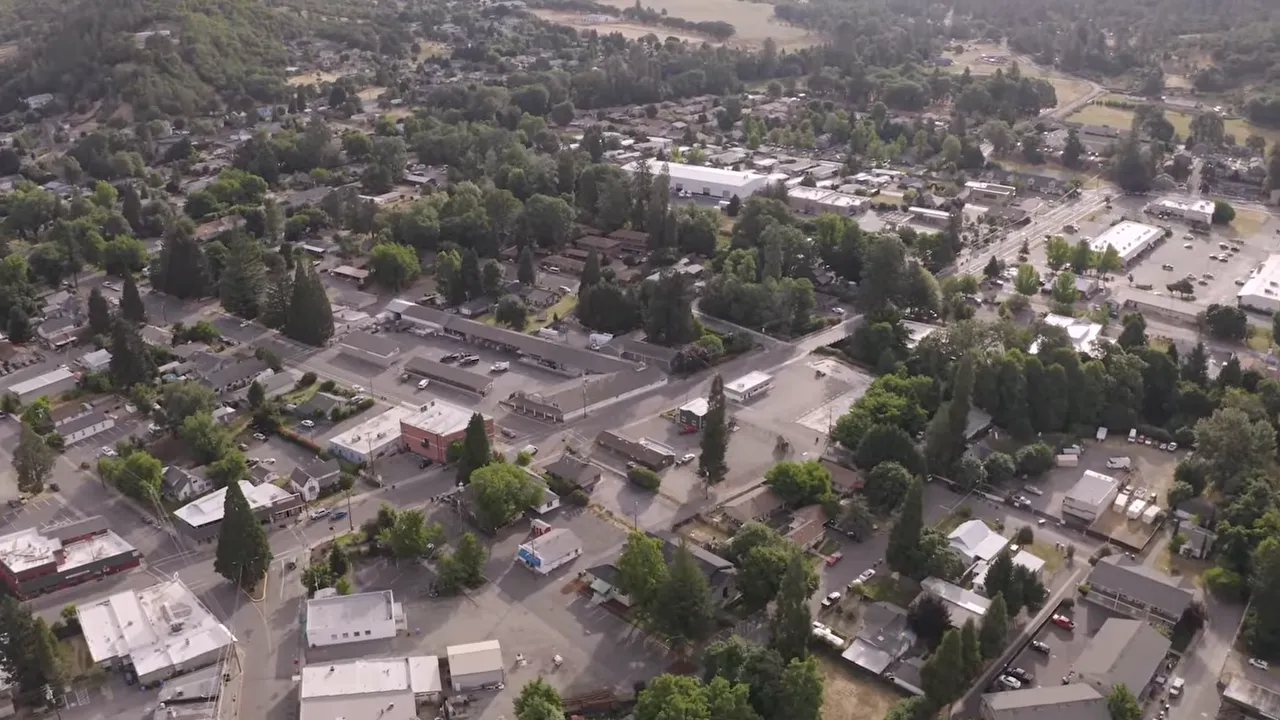
If you want a practical Southern Oregon home buying checklist, start here. I recently heard from a couple who bought a home outside Grants Pass with another agent. The property had the views, the land, the dream setup, everything they thought they wanted. Then a few weeks after moving in, they noticed a terrible smell outside. After some digging, they discovered raw sewage backing up in the yard near the septic system.
They ended up spending about $30,000 on major septic repairs, along with weeks of hassle, because they were advised to skip the septic inspection to make their offer more competitive. That situation was avoidable.
That is exactly why I put this Southern Oregon home buying checklist together. Not to scare anybody, but to help buyers avoid expensive mistakes that happen far too often, especially on rural properties. Southern Oregon is an incredible place to live, but there are some very specific things here that need to be checked before signing papers.
This checklist covers the five issues I tell buyers to verify before purchasing a home in this market: insurance, taxes, roofing, HVAC, and well and septic or sewer systems. If you understand these before you get emotionally attached to a property, you can make a much better decision.
VIEW HOMES FOR SALE IN SOUTHERN OREGON
Check #1: Southern Oregon Wildfire Insurance Risks
The first item on my Southern Oregon home buying checklist is one a lot of buyers do not investigate early enough: homeowner’s insurance as affected by wildfire risk.
People often call it wildfire insurance, even though in Oregon it is really part of your homeowner’s policy. Either way, the issue is the same. On some rural properties, especially outside city limits, wildfire risk can dramatically affect your cost of coverage or whether coverage is available at all.
That matters a lot more than many buyers expect.
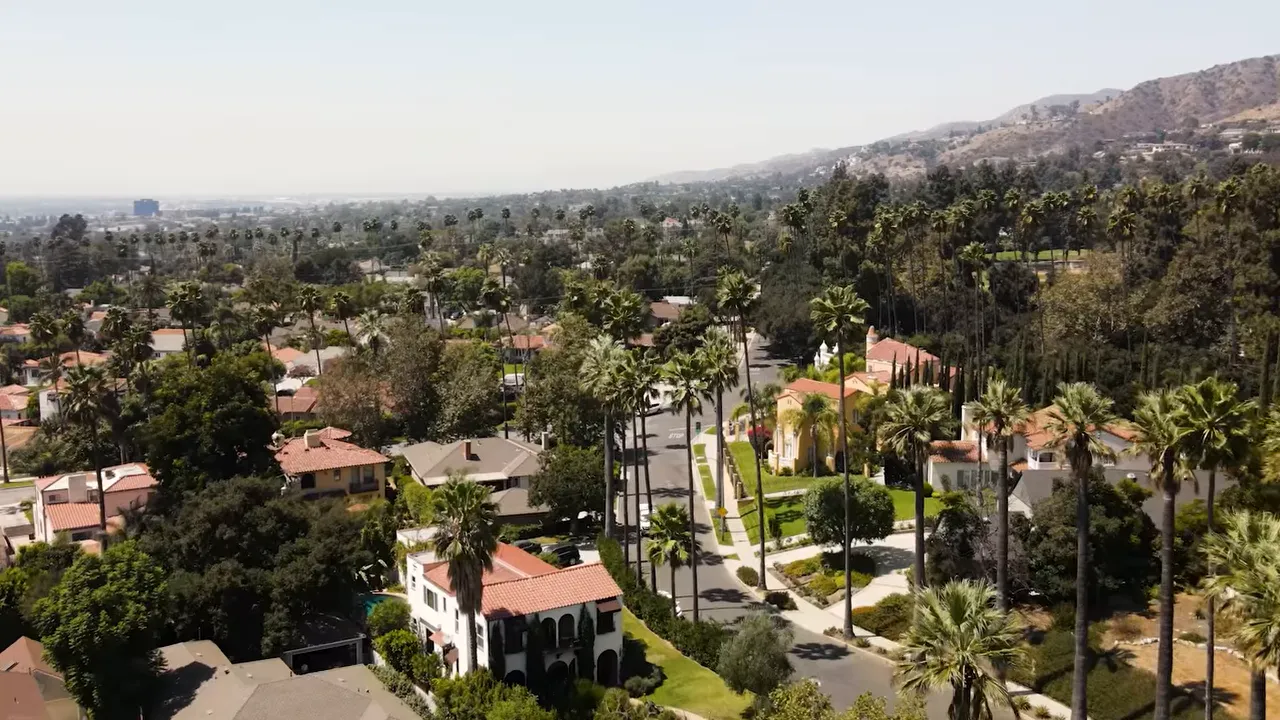
In some higher-risk areas, certain carriers have simply backed away and stopped writing policies. Others still will, but the premium can be significantly higher than expected. A policy that used to be around $2,400 a year might now be $3,500 to $4,000 a year on a nicer rural property in a higher-risk zone.
And in the worst cases, buyers get deep into the transaction, sometimes right near closing, only to find out they cannot get standard coverage at all.
What to do before making an offer
- Get insurance quotes on the specific address as early as possible.
- Call at least two or three carriers.
- Ask about the wildfire risk score.
- Ask whether they will insure the property.
- Ask for a ballpark annual premium.
- Ask whether any modifications are required, such as tree removal or defensible space work.
Do not rely on website estimates. You need actual quotes tied to the actual property.
If the premium comes back unusually high, or the insurer says the property needs major tree work, that does not automatically kill the deal. It just needs to be factored into your monthly budget and your offer strategy. A good Southern Oregon home buying checklist is not about eliminating every house with an issue. It is about knowing what you are taking on before you own it.
Check #2: Southern Oregon Property Taxes Explained
Next on the Southern Oregon home buying checklist is property taxes, and this one catches people off guard all the time.
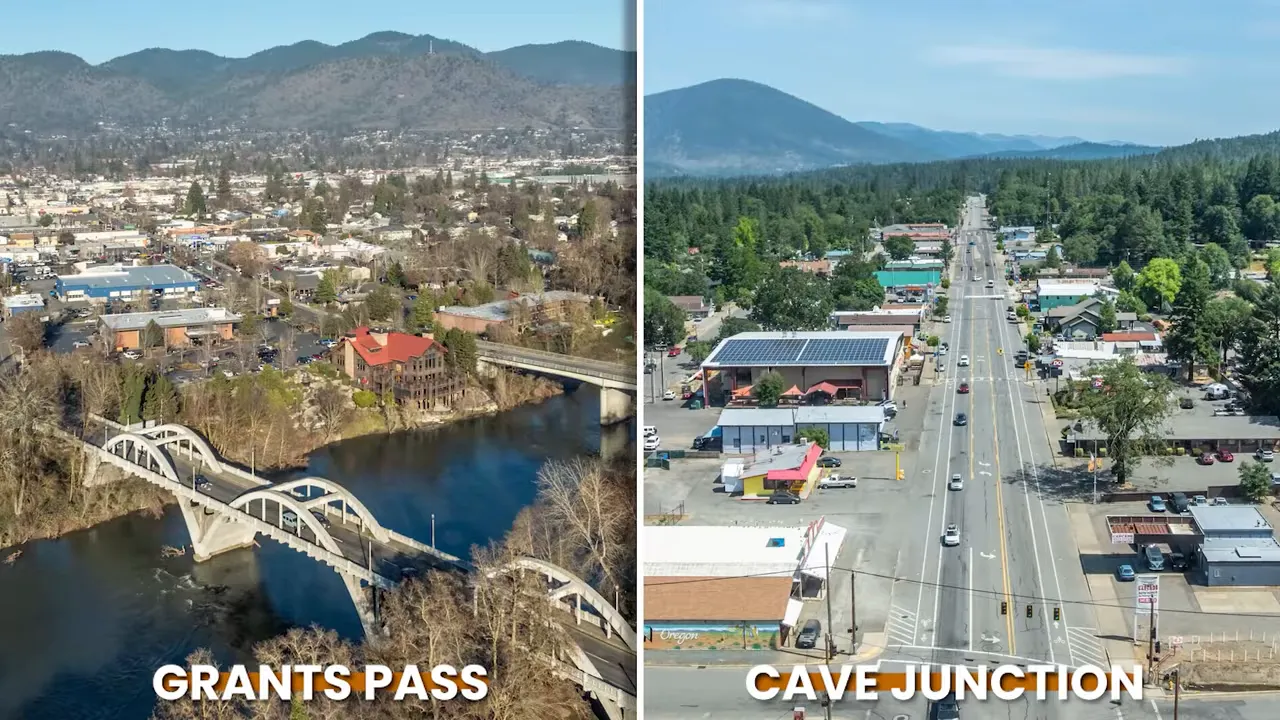
Southern Oregon is largely split between Jackson County and Josephine County. Medford, Ashland, and Jacksonville are in Jackson County. Grants Pass and Cave Junction are in Josephine County. On the surface, those areas may not feel wildly different, but the tax picture can be.
On a home with the same value, the difference can be $2,000 or more per year depending on the county. That is real money, and it directly affects your monthly payment.
It is not just county lines either. Whether the property is inside city limits or outside of them can make a meaningful difference too. City services, local levies, and urban renewal districts all affect the tax bill.
What many buyers get wrong
A lot of people trust the tax estimate they see on Zillow or Redfin. I would not.
Instead, go straight to the county assessor’s website and look up the exact address. Both Jackson and Josephine counties have searchable property databases. What you want is the current assessed value and the actual tax amount being billed, not a rough estimate.
How Oregon property taxes work
Oregon’s property tax system is different from what many out-of-state buyers are used to. In some states, taxes reset based on the sale price when a home changes hands. That is not how it works here.
In Oregon, taxes are based on the assessor’s value, which is not intended to equal market value. That assessed value can be much lower than what the property would sell for. Then the local tax rates are applied to that assessed value to calculate the annual bill.
One important feature in Oregon is that assessed value generally cannot increase by more than 3% per year unless there is major remodeling or another specific reason. Taxes can still rise by more than 3% overall if bonds or levies increase the rate, but the key point is this: do not assume taxes will mirror market price.
For a solid Southern Oregon home buying checklist, always verify the real annual tax bill on every home you are seriously considering.
Check #3: Roofing Issues to Check on Southern Oregon Homes
Once you move from the financial side into the physical condition of the home, the roof is one of the first places I tell buyers to pay attention.
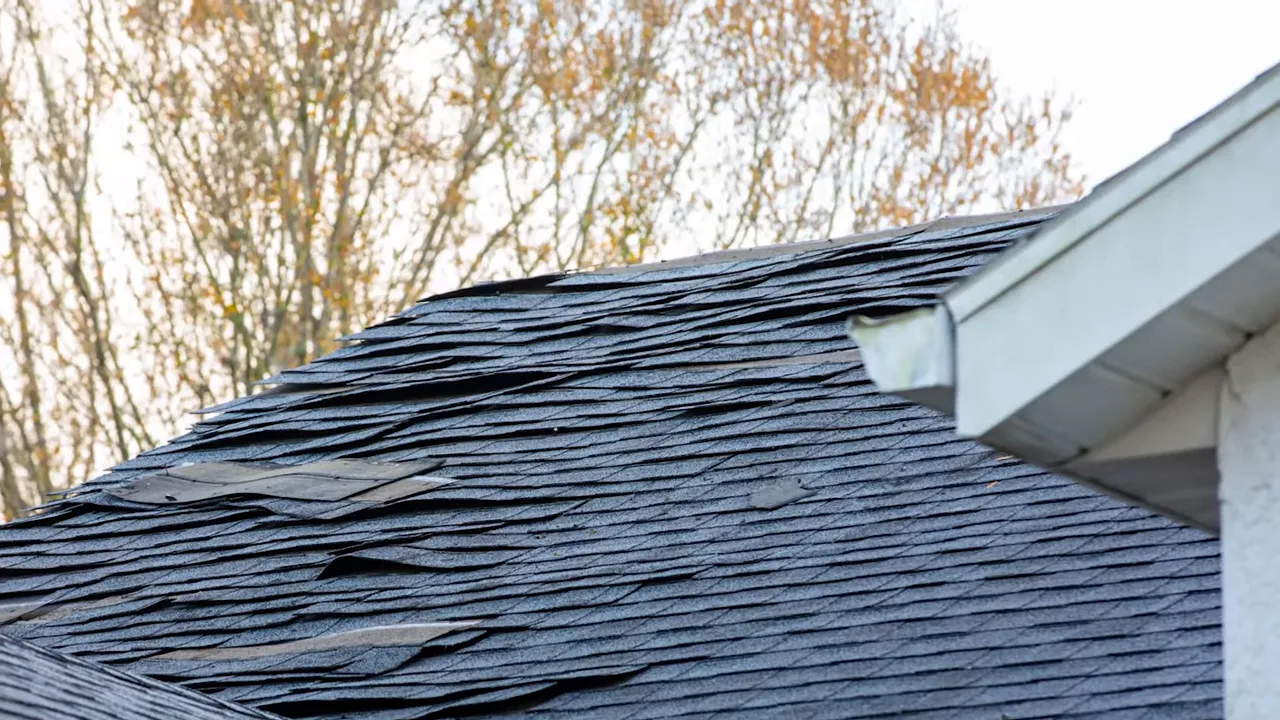
A standard home inspection will usually tell you whether the roof has obvious damage or signs of current leaking. What it often does not do is tell you what kind of financial hit is coming if that roof is near the end of its usable life.
That is where buyers get surprised.
My rule of thumb is simple: if a roof is 20 years old or older, I think it is wise to plan on replacing it within the next five years, possibly sooner depending on condition. Composition shingle roofs, which are very common in Southern Oregon, usually last around 20 to 25 years.
A roof can look decent during a visual inspection and still be near the end. It may not be actively leaking today, but it can be vulnerable to the next major storm.
Why this matters financially
Roof replacement is expensive. On an average-size home in Southern Oregon, I have not seen bids under $20,000 in quite a while, and many recent bids have come in much higher. The exact number depends on the size, pitch, material, and complexity of the roof, but this is not a small repair.
If you buy a home with a 22-year-old roof and never budget for replacement, there is a good chance you will be writing a very large check in the first few years of ownership.
What to verify
- Ask for the age of the roof.
- See whether seller disclosures or listing documents mention any roof updates.
- Have your home inspector estimate the age and remaining useful life.
- If the roof is close to or over 20 years old, bring in a roofing contractor for another opinion.
A roofer’s eye is trained differently than a general inspector’s. If replacement is coming soon, that can become a legitimate negotiation point. Depending on the situation, you may be able to ask for a credit, a price adjustment, or in some cases for the seller to replace it before closing.
An older roof does not automatically ruin a deal. It just needs to be accounted for. That is really the theme of this entire Southern Oregon home buying checklist.
Check #4: Southern Oregon HVAC Systems and Replacement Costs
Heating and cooling matter a lot in Southern Oregon because we actually get a real four-season climate. Summers can hit triple digits in the Rogue Valley, and winters can drop well below freezing. That means HVAC systems work hard here on both ends of the year.
Because of that, I always want buyers to look beyond whether the system is merely functioning on inspection day. Working today and having years of reliable life left are not the same thing.
As a general rule, a heat pump or air conditioning unit may last around 10 years or so. A furnace might last 15 to 20 years if it has been maintained well. But when I see a system that is 12, 14, or 15 years old, I want to take that seriously even if it is technically still running.
Replacement costs add up fast
Replacing an HVAC system in Southern Oregon can run around $12,000 to $15,000 or more depending on the size of the home and the type of system. Again, not a minor repair. This is another one of those items that can turn a home that seemed affordable into a much more expensive ownership experience.
What I recommend buyers check
- Find out the installation date if possible.
- Ask for any maintenance records.
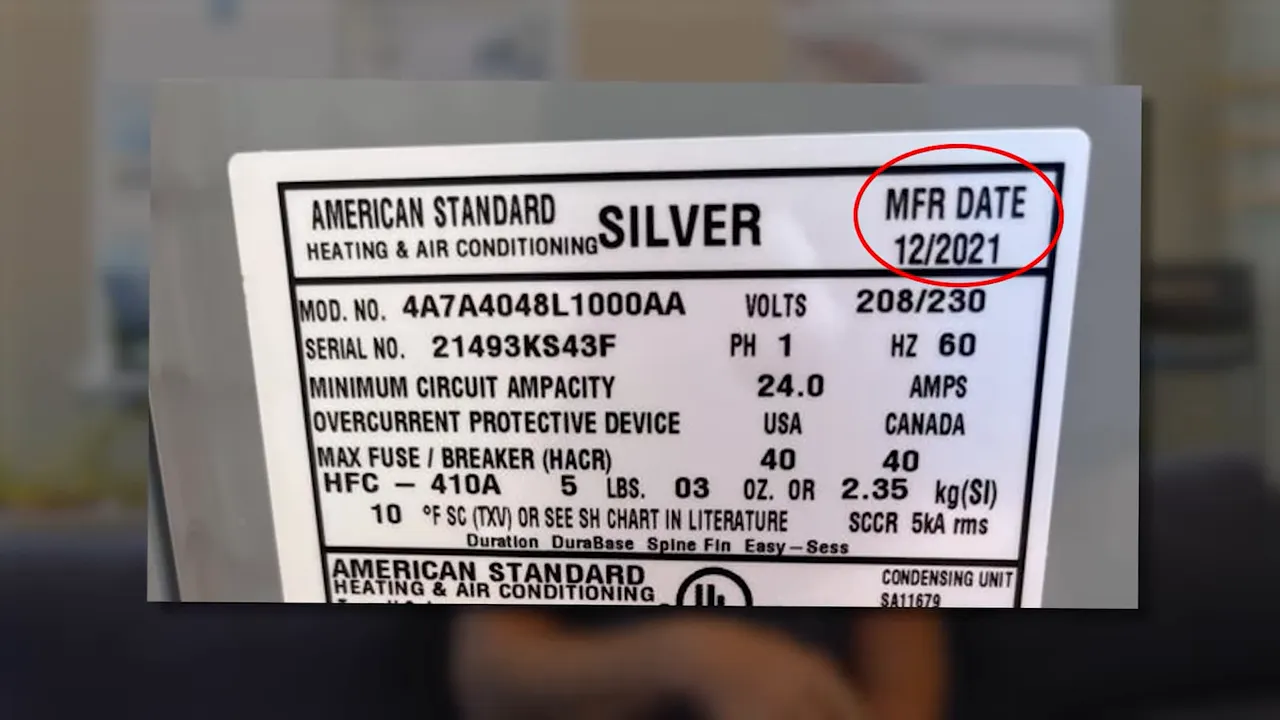
- Have the home inspector identify the manufacturer date from the unit.
- If the system is over 10 years old, consider having an HVAC contractor service it and give a realistic opinion on remaining life.
This is often a pretty reasonable ask during due diligence. If the system is nearing end of life, the more common outcome is not that the seller replaces the entire unit for you. More often, the negotiation revolves around a credit or price adjustment to reflect the condition.
On a smart Southern Oregon home buying checklist, HVAC should always be there. Southern Oregon is not the kind of place where you want to discover your heat or air system is done right after moving in.
Check #5: Southern Oregon Well, Septic, and Sewer Inspections
If you are buying a rural property, this may be the single most important part of the entire Southern Oregon home buying checklist.
A lot of people move here for land, privacy, and space. That often means looking outside city limits, where homes may be on well and septic. These systems are basically your private utility infrastructure. When they work, nobody thinks about them. When they fail, the bills can be enormous.
Well system issues
A well pump replacement may run somewhere around $2,000 to $5,000 in many cases. If the well itself ever needs to be redrilled, which is rarer but does happen, the cost can jump to tens of thousands of dollars depending on depth and site conditions.
Before closing on a rural property, I believe the well should be tested for:
- Flow rate, usually with a four-hour well flow test
- Water quality, to verify the water is safe to drink
The flow test tells you whether the well can keep up with household demand. The quality test tells you whether the water has contamination or naturally occurring issues that may require treatment.
For domestic household wells, sellers are required by law to provide a water purity test for bacteria, arsenic, and nitrate. This is called a BAN test. Buyers can also choose to order more extensive testing for things like iron and pH, which I often think is money well spent.
Septic system issues
This is the issue that opened the article, and for good reason. A failed septic system can be a disaster financially and practically.
I have seen full septic replacements range from around $10,000 to nearly $100,000 depending on the type of system and how complex the situation is. Those are real numbers, not scare tactics.
If a home has septic, get it professionally inspected. Not a casual glance. Not “the seller says it was fine.” Not “it was pumped last year so it must be okay.” A real inspection.
That usually means having a licensed septic inspector pump the tank and inspect the system properly. It is also wise to ask:
- When was it last pumped?
- Are there records of maintenance?
- Have there been past issues?
- How old is the system?
If the system is older and there is no documentation, I consider that a red flag until proven otherwise.
If the home is on city services
Homes in town are not off the hook. If the property is connected to city sewer instead of septic, the inspection I strongly recommend is a sewer scope.
A sewer scope is a camera inspection of the sewer lateral, the pipe that runs from the house to the city main. In Southern Oregon, especially with older homes and large tree roots, sewer laterals fail more often than people expect.
Common problems include:
- Root intrusion
- Collapsed sections
- Offset joints
- Improper or incomplete connections
Repairs can range from a couple thousand dollars to well over $10,000 depending on where the issue is and how extensive the damage is. Digging up a street is not cheap.
The good news is that a sewer scope is usually only a couple hundred bucks and does not take very long. It is especially important on homes that are 20 years old or older, but honestly, I like seeing it done even on newer construction. I have seen situations where the line was not even properly connected to the main.
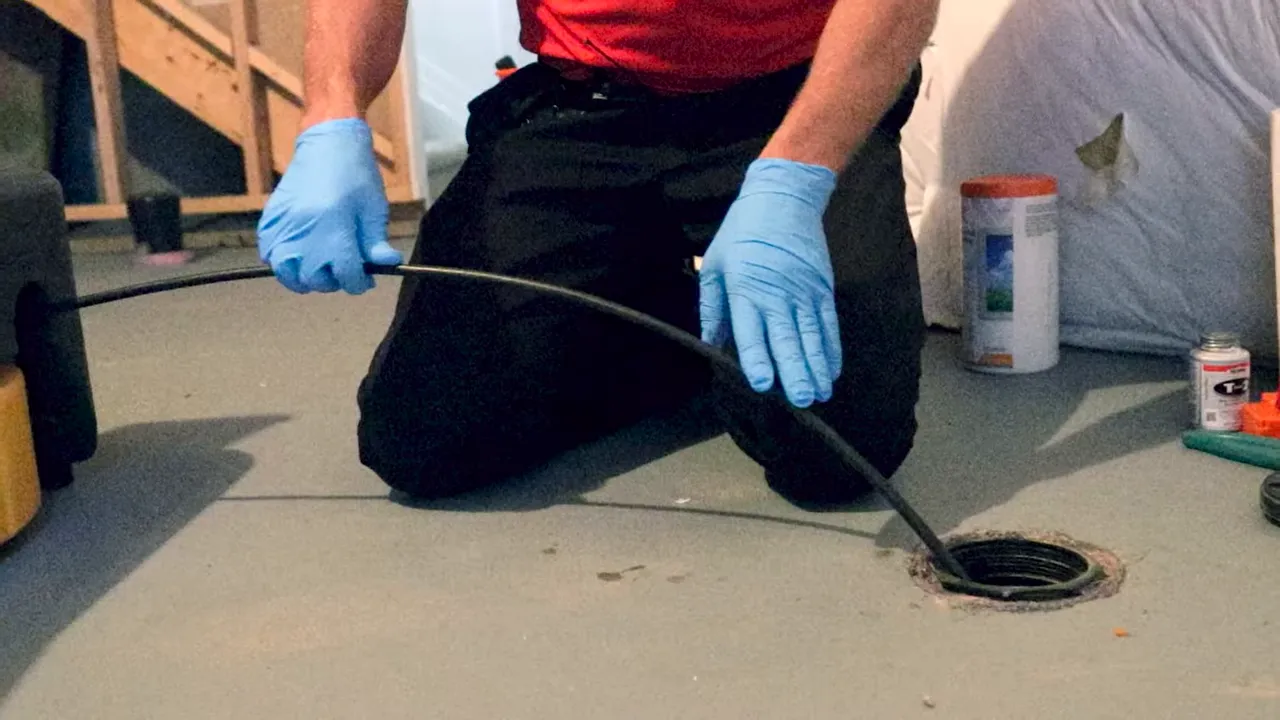
If you are buying rural, inspect the well and septic. If you are buying in town, scope the sewer. That is non-negotiable on my Southern Oregon home buying checklist.
Final Thoughts on Buying a Home in Southern Oregon
Not every agent is going to slow a transaction down by bringing up all of this. Some absolutely will. Some will not. The reality is that inspections, research, and follow-up questions can complicate a deal, and some people would rather just get to closing.
I do not believe that is the job.
My job is not just to help someone buy a house. My job is to help them make a good decision about the house they buy. Sometimes that means pointing out things that may change how they feel about a property they already love. That is not fun in the moment, but it is the right thing to do.
If you are relocating, especially from out of state, this Southern Oregon home buying checklist can save you from buying a property that looks perfect on the surface but comes with hidden costs underneath. The purchase price is only one part of the budget. Insurance, taxes, roof, HVAC, and utility infrastructure all matter too.
Southern Oregon has some amazing homes and some amazing lifestyle opportunities. You just want to go in with your eyes open.
If you are need to buy a home, reach out today. Call or text 541-954-7758 and I’ll be happy to talk through your options.
VIEW HOMES FOR SALE IN SOUTHERN OREGON
FAQs About Buying a Home in Southern Oregon
What is the most important item on a Southern Oregon home buying checklist for rural properties?
For rural properties, I would put well and septic inspections right at the top. Those systems are easy to ignore when everything seems to be working, but failures can be extremely expensive. A proper well flow test, water quality test, and septic inspection are worth every penny.
Why should I check insurance before making an offer?
Because wildfire risk can affect whether a property is insurable at all and what the premium will cost. If you wait too long, you can fall in love with a home and then discover that coverage is unavailable or much more expensive than expected.
Do property taxes reset to the purchase price in Oregon?
No. Oregon does not automatically reset property taxes to the sale price when a home is sold. Taxes are based on assessed value and local tax rates, which is why it is important to look up the actual county tax record for the property.
How old is too old for a roof when buying a house in Southern Oregon?
If a roof is around 20 years old or older, I think buyers should assume replacement may be needed within the next five years, depending on condition. That does not mean the home is a bad purchase. It means the cost needs to be built into your decision.
Should I get a sewer scope on a home in town?
Yes. A sewer scope is one of the most cost-effective inspections you can order. It can catch root intrusion, broken lines, offsets, and other issues that may lead to very expensive repairs later.
What if the HVAC system works during inspection?
That is good, but it does not tell you how much life is left in the system. If the unit is older, especially over 10 years, it is worth getting more information about age, maintenance history, and likely replacement timeline.
READ MORE: Best Places to Live in Southern Oregon: Top Cities Ranked by Growth & Lifestyle

Buying Southern Oregon
At Buying Southern Oregon, we are a dynamic team dedicated to helping you achieve your real estate goals. Combining Brian Simmons’ deep market expertise and Josh Berman’s strong negotiation skills, we provide personalized service and local knowledge to ensure a seamless and rewarding experience. Whether you’re buying, selling, or relocating, we’re here to guide you every step of the way and make your Southern Oregon real estate journey a success.
Watch Our Latest Video