Buying a Home in the Country Near Medford OR: What to Know First
Table of Contents
- Introduction
- Why Buying a Home in the Country Can Cost More Than Expected
- Utilities to Check Before Buying a Country Home
- Septic System Tips for Country Homes
- Propane and Backup Power for Rural Living
- Wildfire Readiness for Country Properties
- Property Lines and Surveys for Rural Homes
- Zoning Rules for Country Properties
- Why Some Buyers Leave Country Living
- Last Advice: Buy With Clarity, Not Hope
- Final Thoughts
- FAQs About Buying Buying a Home in the Country
Introduction
If you have ever imagined trading city noise for porch mornings, privacy, and a little land to call your own, you are not alone. Buying a home in the country feels like a dream, especially when you have watched shows like and then started searching property in places that look “made for living slow.”
But here is the honest part: buying a home in the country can also be expensive, inconvenient, and emotionally draining if you do not understand what comes with rural living. The worst outcomes are usually the ones people do not plan for, like moving out for a “fresh start” and then reversing course back to the city after the reality hits.
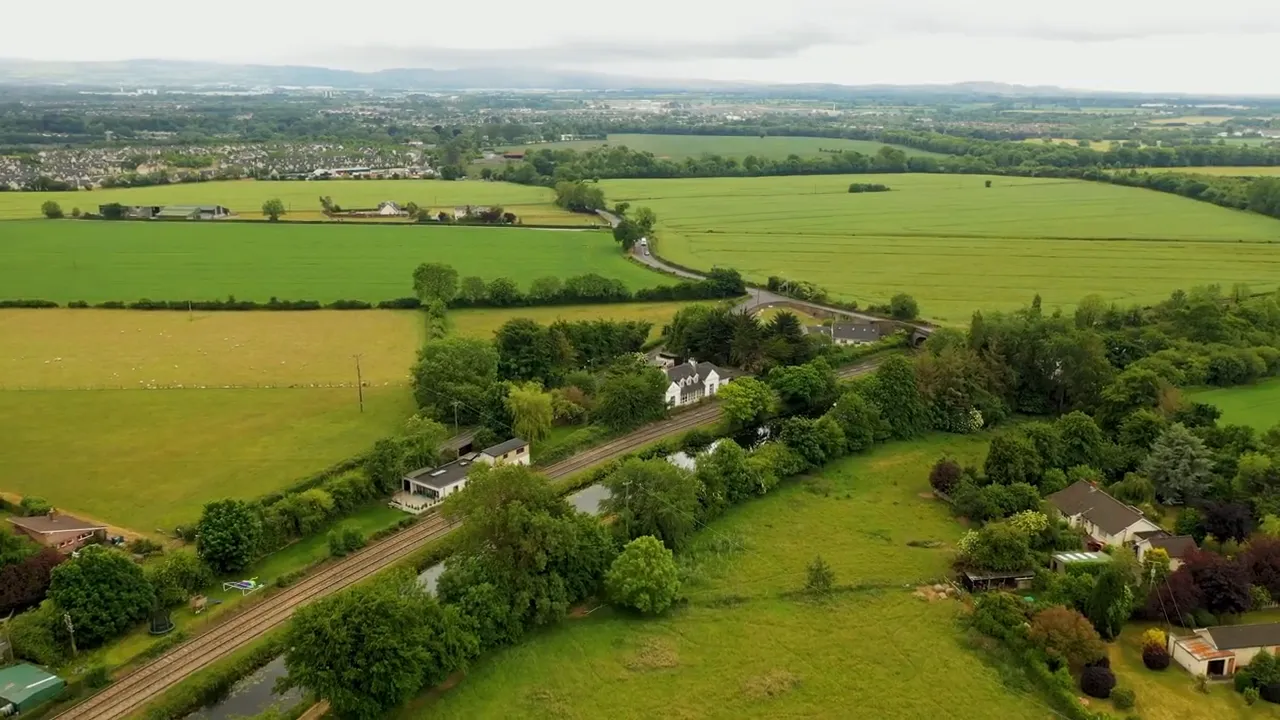
This guide breaks down the core issues that determine whether country living will feel like freedom or a constant source of stress. You will learn what to inspect, what to plan for, and the one “big work” factor that makes many people quit sooner than they expected.
VIEW HOMES FOR SALE IN MEDFORD OREGON
Why Buying a Home in the Country Can Cost More Than Expected
Many people romanticize country living. The reality is that a rural property often means more independence, more maintenance, and more responsibility. There is a reason people move back to the city: not because they hate the land, but because they did not realize how much it takes to run a home and property day after day.
If you have a family, the stakes get even higher. Reverse course can mean job changes, school changes, and the financial hit of selling sooner than planned. The good news is that most of this is avoidable when you understand the logistics before you buy.
Utilities to Check Before Buying a Country Home
In the city, you typically write a check and forget about it. Water, sewer, trash, power, and gas just show up. In the country, you are usually responsible for systems that the city would handle.
Wells: Common, Important, and Not Something to Guess About
Most country homes rely on a well for water. That usually means:
- A well pump
- A pressure tank
- Filtration and possibly a water softener
Those components require maintenance, often on an ongoing or even annual basis, to keep everything working properly.
Two concerns often come up with first time well owners:
- “What if the well goes dry?” In general terms, a well is a hole in the ground, and the risk of sudden failure is relatively low unless something changes with the underground supply.
- “How much water will it produce?” Water pressure is not just about a “big well.” Pressure is heavily influenced by the pressure tank, while well flow and water purity matter for quality and real daily use.
Do this before buying: request a well flow test and a water purity test. Then take the time to understand the results, including what “static water level” means and what the flow rate looked like after pumping for a period of time.
Power Dependence: What Happens During Outages
Here is a practical reality many buyers underestimate: the well pump needs electricity. During winter storms or higher fire danger periods, power outages can happen. If the power is out and your well pump stops, you will lose running water.
That affects everything from flushing toilets to showering to cooking.
Plan ahead:
- Consider a whole home generator or whole home battery backup if outages are common in your area.
- At minimum, store a couple days worth of water in sealed containers (like large jugs) for emergencies.
Septic System Tips for Country Homes
If a property has a well, it often does not have public sewer. That means you likely need an onsite septic system.
Septic systems work by holding wastewater and sewage in a tank, allowing solids to settle out, and slowly releasing treated wastewater into the ground. Tanks generally need pumping every few years, depending on system size and how much the household uses.
Septic systems are one of the most misunderstood parts of country living. Do not rely on old paperwork or vague reassurances.
What to require:
- Have the seller pump the system as part of the sale process (commonly expected).
- As the buyer, pay for a professional inspection.
- Ask what type of system it is, whether the tank looks good, and whether the leach lines appear to be in acceptable condition.
- Get a clear understanding of maintenance and timelines.
Propane and Backup Power for Rural Living
Some rural homes use natural gas or propane for heat, ovens, hot water, and even generator backup options. The advantage is simple: you are less dependent on the power company during outages.
Having gas or propane as a backup is rarely a bad idea, especially when you are thinking about winter weather and emergency readiness.
Wildfire Readiness for Country Properties
One of the biggest fears people have about country living is wildfire risk, and that concern is especially valid in parts of the western United States. The good news is that you can reduce risk with planning and routine property management.
Start with defensible space. The idea is to create a buffer zone around your home by removing fuel sources like dry grass, leaves, and brush.
Common defensible space practices include:
- Removing dry vegetation within about 100 feet of the home (based on local guidance)
- Limb trees so there are no branches within about six feet of the ground
- Space trees so they are not close enough to let fire spread easily (for example, keeping spacing above roughly 10 feet, where applicable)
Use reputable local guidance to get the specifics right for your area, including recommendations from state fire resources.
Property Lines and Surveys for Rural Homes
In the country, it is very common to see fences and cross fences that do not match the actual property boundaries. Do not assume that the fence line is the legal line.
How to verify: hire a surveyor to locate the property corners. You might not need a full, expensive resurvey for every detail, but placing the corners gives you a much more reliable picture of the property layout.
Also, do not accept a neighbor or seller’s verbal explanation as the final word. Getting this wrong can create problems with required setbacks when you build structures or make improvements.
Zoning Rules for Country Properties
Beyond property lines, zoning rules control what you can and cannot do. Rural properties can fall under different classifications such as:
- Rural residential
- Exclusive farm use
- Forest resource
- Other local categories
Each classification can come with different limitations on:
- How close you can build to property lines
- What kinds of animals are allowed
- How many animals you can have
- What uses are permitted on the land
This is where “surprise restrictions” get expensive. Spend time understanding zoning before you sign anything.
Why Some Buyers Leave Country Living
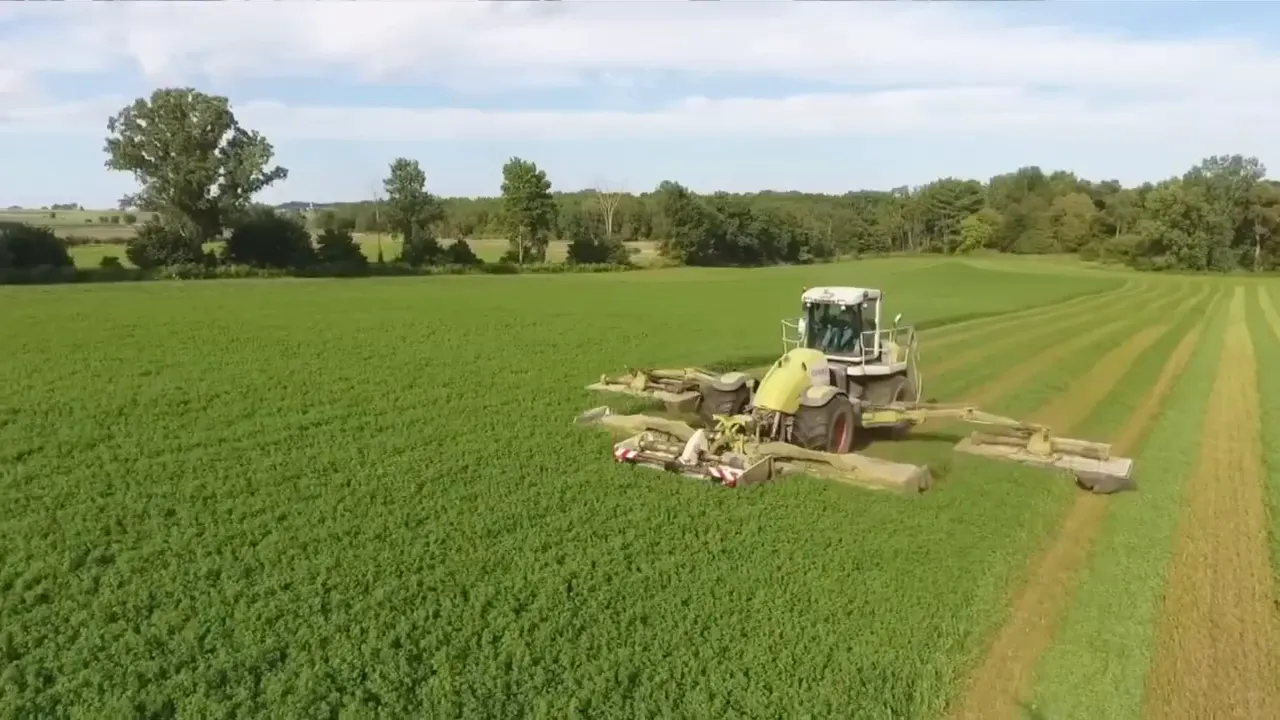
If you remember nothing else from this guide, remember this: the biggest reason people give up on buying a home in the country is the work.
Country living is not just “having land.” It is maintaining land.
For example, if you have more than a small lawn, you will need real yard equipment and real ongoing time. That can include:
- Owning and maintaining the right size mower
- Tools like a leaf blower and weed eater
- General upkeep equipment for a property that grows on its own
If you use a wood burning fireplace, you will also need to handle firewood, including stacking and getting more as fires burn down.
And if you keep animals or a garden, that multiplies the responsibilities:
- Feeding and caring for animals
- Dealing with predators
- Planting, watering, weeding, and harvesting
- Preserving or using the food
That said, many people also say they would not have it any other way once they understand what they are signing up for. The peace, privacy, and joy of watching kids or grandkids outside or picking vegetables from your own garden is real.
VIEW HOMES FOR SALE IN MEDFORD OREGON
Final Thoughts
Buying a home in the country can be an incredible lifestyle move, but only when you go into it with clear expectations. The privacy, space, and slower pace are real advantages, but so are the responsibilities that come with wells, septic systems, land maintenance, wildfire readiness, and zoning rules. The goal is not to talk you out of rural living. It is to help you make a smart move that still feels right long after the excitement wears off.
If you are thinking about buying a country home near Medford OR and want help figuring out which properties truly fit your lifestyle, call or text me today at 541-954-7758. We can help you look beyond the listing photos, understand the practical realities, and make a confident move with fewer surprises.
FAQs About Buying Buying a Home in the Country
Do I need to test a well before buying a home in the country?
Yes. Get both a well flow test and a water purity test. Do not rely on assumptions about pressure or water quality. Review the results with a clear understanding of what the readings mean for your everyday use.
What should I inspect for a septic system?
Have the seller pump the system as part of the transaction, then pay for a professional inspection as the buyer. Confirm the system type, assess the tank condition, and review leach line condition and recommended maintenance.
How do I prepare for power outages with a well?
Plan for well pump power dependence. Consider a generator or battery backup if outages are common. At minimum, store a couple days of water in sealed containers so you can function during an emergency.
What is defensible space and why does it matter when buying a home in the country?
Defensible space is the cleared, managed area around your home designed to reduce wildfire spread. It typically involves removing dry vegetation and managing tree limbs and spacing based on local guidance.
Are property lines usually the same as fence lines?
Not reliably. Rural fences may not be placed on the legal boundaries. Hire a surveyor to locate the property corners so you know setbacks and avoid permitting or construction issues later.
What is the most common reason people sell a country home and move back to the city?
The work. Larger lots mean more maintenance, plus additional responsibilities if you keep animals, use wood heat, or grow a garden.
READ MORE: Moving to Medford OR: East Medford vs West Medford Compared

Buying Southern Oregon
At Buying Southern Oregon, we are a dynamic team dedicated to helping you achieve your real estate goals. Combining Brian Simmons’ deep market expertise and Josh Berman’s strong negotiation skills, we provide personalized service and local knowledge to ensure a seamless and rewarding experience. Whether you’re buying, selling, or relocating, we’re here to guide you every step of the way and make your Southern Oregon real estate journey a success.
Watch Our Latest Video