Southern Oregon Real Estate Market: Areas Cooling Off and Still Going Strong
The Southern Oregon real estate market is not moving as one big uniform machine anymore. That is the mistake a lot of people are making. They hear that homes are still selling and assume everything is fine everywhere. But when we zoom in city by city, neighborhood by neighborhood, the story changes fast.
What matters now is not just whether homes are selling. It is how long they are taking, how much sellers are cutting from the original list price, and which towns buyers are choosing instead. That is where the real signals are.
After analyzing more than 9,000 closed sales across Jackson and Josephine counties from January 2024 through May 2026, a pretty clear picture emerges. Some areas in the Southern Oregon real estate market are cooling in a meaningful way. Others are showing resilience, even when the broader region feels softer.
Table of Contents
- How the Southern Oregon Real Estate Market Is Changing
- 4 Southern Oregon Areas Losing Momentum
- 4 Southern Oregon Areas Showing Strength
- Buying in the Southern Oregon Real Estate Market
- Selling in the Southern Oregon Real Estate Market
- FAQs About Southern Oregon Real Estate Market
How the Southern Oregon Real Estate Market Is Changing
To make sense of the Southern Oregon real estate market, we keep coming back to three numbers.
- Median sale price trend: Are homes selling for more or less than they did a year or two ago?
- Days on market: How long are homes sitting before they go pending?
- Transaction volume: Are more homes actually closing, or fewer?
If you only look at prices, you can miss what is happening underneath. A market can look stable on price while buyers are quietly losing urgency. That usually shows up first in days on market. Homes sit a bit longer. Negotiations get tougher. Then, eventually, pricing feels the pressure.
Days on market is often the cleanest early warning sign in the Southern Oregon real estate market. It tends to turn before prices do. Volume matters too, because if the number of closings is slipping, demand may be weaker than headline prices suggest.
EXPLORE HOMES FOR SALE IN SOUTHERN OREGON
4 Southern Oregon Areas Losing Momentum
Cooling does not mean collapsing. That distinction matters. In the Southern Oregon real estate market, cooling simply means buyers have become more selective, more price sensitive, or more willing to choose another area.
White City
White City may be the sharpest example of how fast momentum can shift. In 2025, it was one of the fastest moving markets in the Rogue Valley, averaging about 38 days on market. Prices had also edged up from roughly $345,000 in 2024 to about $355,000 in 2025.
Then the tone changed. In 2026, the median price dropped to about $333,000. That is a decline of roughly $22,000 from the prior year. At the same time, average days on market jumped from 38 to 55.
Another important signal is what happened at the negotiating table. In 2024 and 2025, a little over half of sellers had to cut below their original list price. In 2026, that rose to nearly three out of four sellers.
That tells us buyers have leverage.
The reason appears tied to buyer perception. White City has some visible quality of life challenges in certain pockets, and out of state buyers are researching neighborhoods more aggressively than ever. When inventory across Southern Oregon is fuller, buyers have options. If one area feels like it carries more tradeoffs, many will simply choose another zip code.
For sellers, White City is not the place to test the market with an ambitious list price. For buyers in the $300,000 to $350,000 range who have done their neighborhood homework, there may be real value here.
Grants Pass
Grants Pass is a good example of a place where the long term appeal and the short term data are telling two different stories. The lifestyle is still attractive. The river through town is still a real draw. But in the Southern Oregon real estate market, lifestyle alone does not override market conditions.
The biggest issue here is fading urgency. Days on market rose from 58 in 2024 to 65 in 2025, and then to 73 so far in 2026. That is a steady three year climb.
Prices have been relatively flat, which can sound harmless until we remember inflation. If prices are not really moving in a higher cost environment, that is still a form of weakness. Buyers are not pushing values higher.
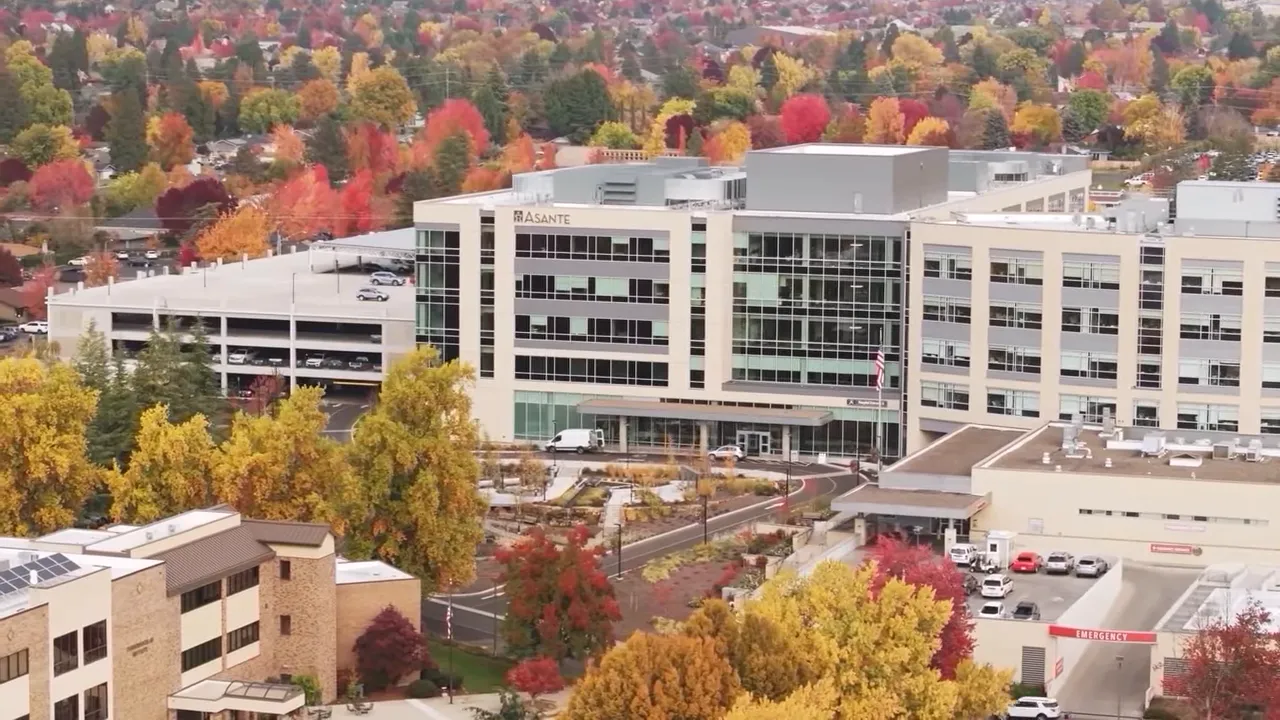
One factor affecting Grants Pass is specialist healthcare access. For many relocation buyers, especially retirees, healthcare is not a side issue. It is one of the first filters. If an area feels less convenient in that category, it can slide down the list.
For sellers, realistic pricing is critical. For buyers, Grants Pass offers more negotiating room than many parts of Jackson County right now.
Ashland
Ashland remains one of the most appealing places in the entire region. Walkability, restaurants, arts, the Shakespeare Festival, Southern Oregon University, all of that still matters. But the Southern Oregon real estate market is asking sellers in Ashland to reset expectations.
Median prices slipped from about $590,000 in 2024 to around $551,000 in 2025. In 2026, the median recovered only slightly to roughly $555,000.
The more important signal is time. Days on market moved from 59 in 2024 to 67 in 2025, then to 75 in 2026. Early 2026 was especially rough, with January and February each pushing beyond 100 days before the spring market improved.
There is also a likely culprit here that cannot be ignored: insurance cost. Wildfire risk is changing the math for many Ashland properties. For some buyers, a few thousand dollars a year in extra premiums is manageable. For others, it changes affordability in a major way.
If you love Ashland, do the insurance homework early. Ideally, verify availability and annual premium before you write an offer. At minimum, do it during your contract suitability period.
For sellers, pricing based on 2022 or even 2024 conditions is asking for a correction. The market will do that correction for you if you do not do it first.
Central Point
Central Point is not broken. Not even close. But it is softer than many people think.
Days on market climbed every year in the data set, from 46 in 2024 to 53 in 2025 and then to 59 in 2026. That is not dramatic, but it is steady, and steady trends matter.
Median price rose from about $392,000 to $407,000 from 2024 to 2025, then mostly flattened in 2026. Volume also appears to be lagging the prior pace a bit.
The important thing here is that the fundamentals still look good. Central Point remains geographically convenient, has solid schools, good parks, and highly desirable planned communities like Twin Creeks.
What has changed is seller leverage. Pricing above the comps and hoping the market catches up is not the strategy anymore. Homes that are priced correctly from day one are still moving. Homes that are not tend to linger.
4 Southern Oregon Areas Showing Strength
The Southern Oregon real estate market is still producing strong pockets. These areas are not necessarily booming across every metric, but they are showing either staying power, better buyer demand, or a more favorable supply story than neighboring markets.
Eagle Point
Eagle Point has one of the more interesting patterns in the region. Its median price dropped hard from about $515,000 in 2024 to roughly $448,000 in 2025, then recovered to around $485,000 in 2026.
Days on market has stayed fairly consistent overall, though 2026 got a bump from a February spike. What stands out more is volume. Closed sales have held remarkably steady in Eagle Point while a lot of other places are softening.
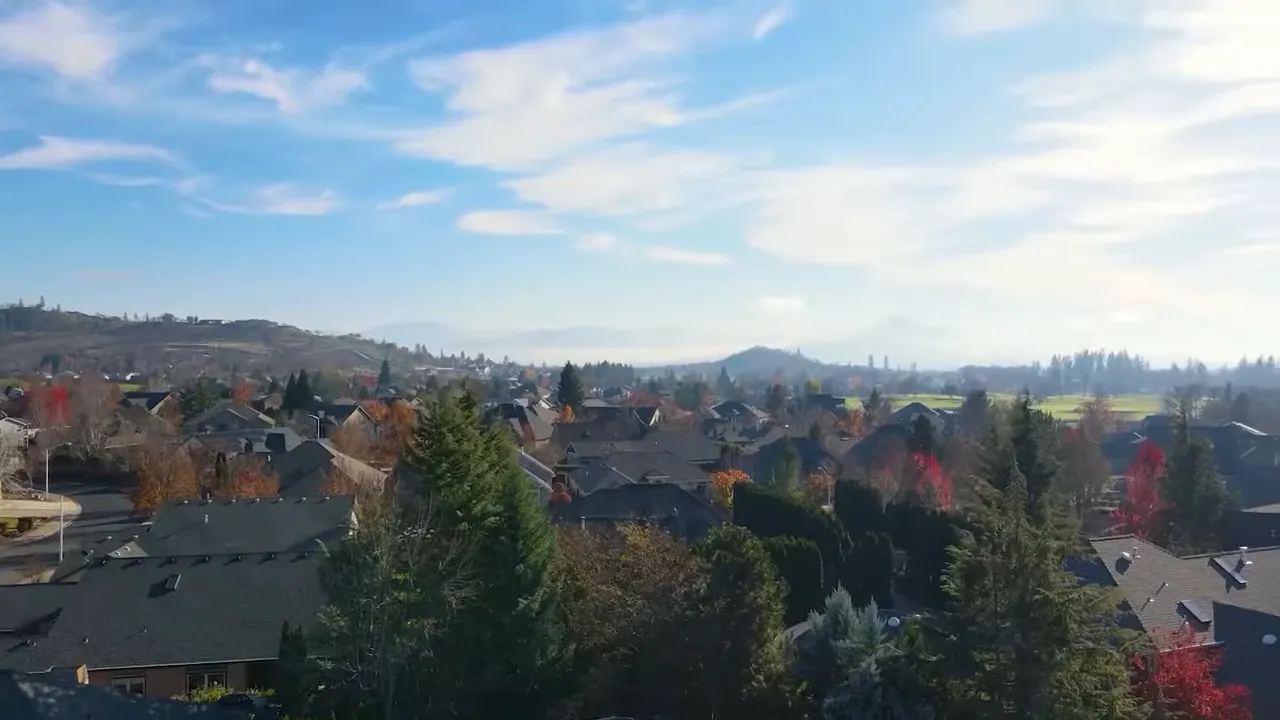
That tells us buyers keep choosing Eagle Point. Why? New construction is a big part of it. Builders are offering rate buydowns, closing cost credits, and the appeal of picking finishes. A lot of buyers look across the valley at resale homes, then land in Eagle Point because the overall package pencils out better.
For buyers in roughly the $450,000 to $600,000 range who want newer housing and an outdoor lifestyle, Eagle Point remains one of the better plays in the Southern Oregon real estate market.
East Medford
Medford as a whole looks a little soft. Citywide median price hit about $430,000 in 2025 and then pulled back to around $415,000 in 2026, which is roughly where it sat in 2024. Days on market drifted up from 47 to 49 to 57.
But Medford is too large and too varied to treat as one market. East Medford is different.
New construction in East Medford is helping shape demand, and the hospital system is a major anchor. For retirement age buyers especially, being close to healthcare comes up constantly. That is one reason East Medford is outperforming older resale-heavy parts of the city.
So when someone says Medford is averaging 57 days on market, that number needs context. Older west side corridors are helping pull that average up. East Medford new construction is often moving on a different timeline.
In the Southern Oregon real estate market, where within Medford you buy matters a lot more than citywide averages suggest.
Talent
Talent has one of the most dramatic improvements in the entire region.
Because it is a smaller market, median price here can bounce around more than we would like. The stronger signal is days on market, and that trend is hard to miss. Talent went from 91 days in 2024 to 75 days in 2025, and then all the way down to 48 days in 2026.
That is a huge improvement in a region where many other communities are moving the opposite direction.
The backstory matters. After the Almeda fire, rebuilding in the Phoenix and Talent corridor introduced a large wave of newer homes. Today, buyers are finding newer construction close to Ashland but usually without Ashland pricing.
The one caution is supply. Fewer homes are coming to market even though the ones that do are selling faster. If you are focused on Talent, waiting around for a better option may backfire.
Jacksonville
Jacksonville and Talent tell a fascinating story because they are both smaller lifestyle driven markets, but they are moving in opposite directions on days on market.
Talent has broadened its buyer pool with newer, more accessible housing. Jacksonville remains a narrower market, driven heavily by cash buyers and equity rich relocation buyers. That means it can take longer to find the right match.
Jacksonville is at about 88 days on market, and yes, that is a real number. But that does not automatically make it weak.
Volume in 2026 is pacing toward the highest level in the three year data set. Also, the share of sellers cutting below original list price has improved from about 80 percent last year to roughly 68 percent this year. Median price has stayed relatively steady around the low $600,000s.
That combination makes Jacksonville feel steady, not flashy. The right home there should remain desirable for a long time. Buyers should not mistake longer market times for unlimited opportunity. The right property in the core of Jacksonville can still draw real competition.
Buying in the Southern Oregon Real Estate Market
In the Southern Oregon real estate market, buyer leverage depends almost entirely on location.
In cooling markets like White City or Grants Pass, there may be room to negotiate. In tighter pockets like Talent or certain parts of East Medford, you may need to move much faster.
Two practical things matter almost everywhere:
- Know the actual property taxes before you get emotionally attached to a home.
- Verify insurance availability and annual cost if the property is in Ashland, rural areas, or near the wildland interface.
The biggest mistake buyers make in the current Southern Oregon real estate market is assuming all leverage is equal. It is not. A softer city does not mean every neighborhood is soft, and a strong city does not mean every listing deserves a premium.
Selling in the Southern Oregon Real Estate Market
If there is one message the data keeps repeating, it is this: accurate pricing from day one matters more than anything else.
Staging matters. Photography matters. Marketing matters. But none of those can rescue a price that is out of sync with what buyers are actually willing to pay.
There is also something the closed sales data does not fully capture. It shows what sold, but not all the homes that expired or were pulled off the market because the seller never got the number they wanted. That creates a kind of shadow inventory. In other words, your competition may be tougher than the active listing count suggests.
That is especially true in softer sections of the Southern Oregon real estate market. If your home is in a cooling area, the market is not going to reward wishful pricing. It is going to punish it with time.
The better strategy is simple:
- Price to today’s market, not to memory
- Study the actual comps buyers will compare you against
- Accept that negotiation is normal in many areas right now
Final take on the Southern Oregon real estate market
The Southern Oregon real estate market is not in trouble. It is sorting itself out.
And that sorting is happening at the city level, not just the regional level. Some communities are losing momentum because buyers are hesitating, reprioritizing, or finding better value elsewhere. Other communities are holding up because new construction, healthcare access, pricing, or lifestyle fit are keeping demand alive.
That is why broad headlines are not enough anymore. If you want to make a smart move in the current Southern Oregon real estate market, you have to understand the micro market you are actually stepping into.
That is where the real opportunity is.
EXPLORE HOMES FOR SALE IN SOUTHERN OREGON
FAQs About Southern Oregon Real Estate Market
Is the Southern Oregon real estate market crashing?
No. The data points more to a market that is separating by area. Some cities are cooling, but others are holding steady or improving. The Southern Oregon real estate market looks more uneven than broken.
Which areas look softest right now?
White City shows one of the clearest cooling patterns, with lower median pricing, longer market times, and more sellers cutting price. Grants Pass, Ashland, and Central Point also show softer conditions compared with recent years.
Which areas look strongest in the Southern Oregon real estate market?
Eagle Point, East Medford, Talent, and Jacksonville each show a different kind of strength. In some cases it is stable volume, in others it is faster market times, stronger buyer demand, or long term desirability.
Why is Ashland softening if it is still so desirable?
Ashland still has major lifestyle appeal, but insurance costs tied to wildfire risk appear to be affecting buyer decisions. Homes are also taking longer to sell, which suggests more hesitation than in prior years.
What should buyers verify before making an offer?
Property taxes should be confirmed early, and insurance should be checked carefully for homes in Ashland, rural areas, or near wildfire exposed zones. In the Southern Oregon real estate market, those two costs can materially change affordability.
What is the biggest mistake sellers are making right now?
The biggest mistake is overpricing at launch. Across the data, the most important seller decision is getting the price right from day one. When a home starts too high, the market usually corrects it through longer days on market and eventual price cuts.
If you’re a potential homebuyer ready to find the right Southern Oregon neighborhood (and not just rely on regional headlines), contact me today so we can map out your options with local, up-to-date numbers. Call or text 541-954-7758.

Buying Southern Oregon
At Buying Southern Oregon, we are a dynamic team dedicated to helping you achieve your real estate goals. Combining Brian Simmons’ deep market expertise and Josh Berman’s strong negotiation skills, we provide personalized service and local knowledge to ensure a seamless and rewarding experience. Whether you’re buying, selling, or relocating, we’re here to guide you every step of the way and make your Southern Oregon real estate journey a success.
Watch Our Latest Video