Why the Southern Oregon Housing Market Is Entering a New Era
The Southern Oregon housing market is changing, but not in the way a lot of people think. This is not Boise 2.0. It is not a sudden spike that turns the area into an overcrowded, overpriced version of the place people were trying to leave.
Southern Oregon has real momentum right now. People are coming here for the climate, outdoor access, wine country, arts, healthcare, lifestyle, and a cost structure that can still make sense compared with larger West Coast markets. But the old formula that drove growth for decades is evolving.
For a long time, the formula was pretty simple: affordable land, a major transportation corridor like Interstate 5 or Highway 62, and out of state buyers, especially from California, doing the math on what life here could look like. That formula built a lot of the communities we know today.
Now, land is tighter, building costs are higher, insurance matters more, and buyers are being more selective. That does not mean the Southern Oregon housing market is falling apart. It means the market is maturing.
Table of Contents
- Southern Oregon Housing Market: What’s Changing?
- Reason #1: How Southern Oregon Grew
- Reason #2: Why the Southern Oregon Housing Market Is Changing
- Reason #3: Top Southern Oregon Cities to Watch
- Reason #4: Which Southern Oregon Homes Are Slowing?
- Reason #5: Buying in the Southern Oregon Housing Market
- Reason #6: Selling in the Southern Oregon Housing Market
- Reason #7: Southern Oregon Housing Market Forecast
- FAQs About Southern Oregon Housing Market
Southern Oregon Housing Market: What’s Changing?
There are basically two kinds of housing market growth. One is explosive. It is the Boise, Phoenix, Austin, or Bend kind of growth where prices move so fast that the character of a place changes almost overnight. Eventually, that kind of growth either corrects hard or prices out the people who made the community special in the first place.
The other kind is slower, steadier, and healthier. It is supported by actual fundamentals: a desirable location, an enjoyable lifestyle, a climate people want to live in, and an overall cost of living that is still workable. It may not create the biggest headlines, but it is generally the kind of growth that better protects long-term equity.
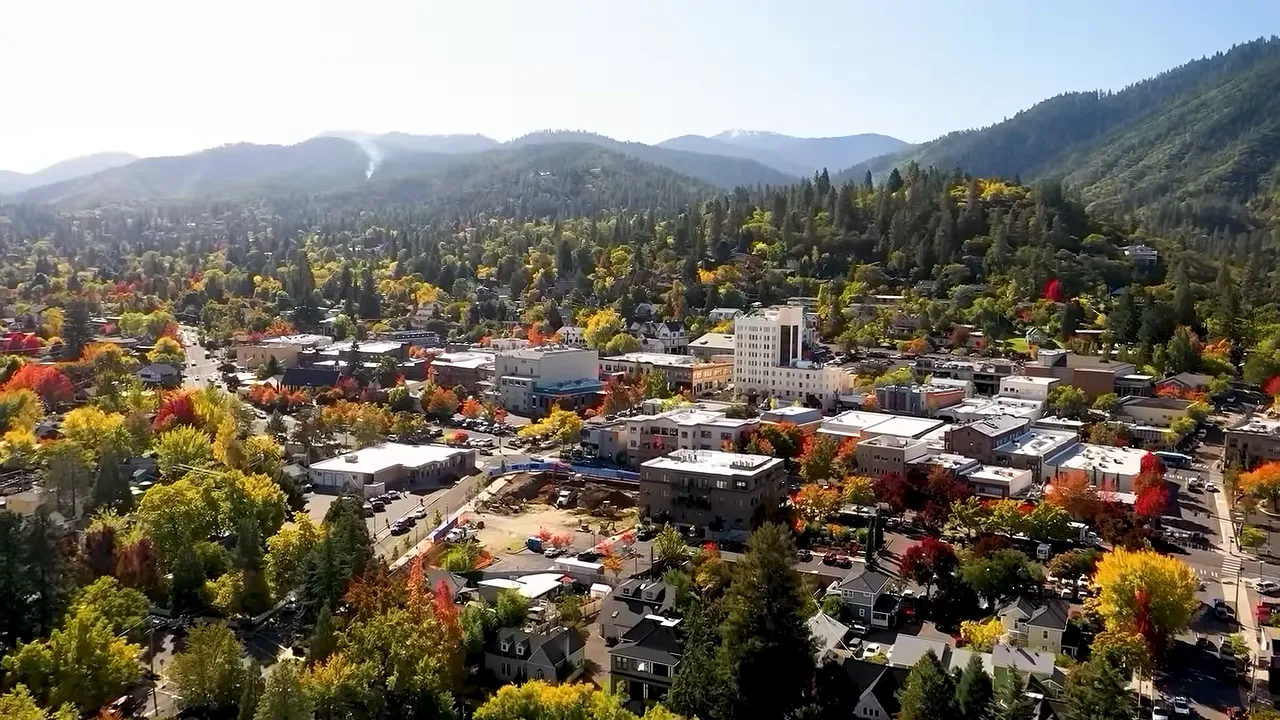
The Southern Oregon housing market fits much more into that second category. Local values have climbed because demand has stayed ahead of available supply, not because of a short-term frenzy. The difference matters a lot when you are deciding where to buy, what to sell for, or whether to wait.
Reason #1: How Southern Oregon Grew
Southern Oregon did not grow by accident. Transportation drove nearly every major growth cycle here. Medford began as a railroad depot in 1883, and the orchard boom in the early 1900s pushed the city into a major period of expansion. From 1900 to 1910, Medford grew by roughly 392 percent.
Then Interstate 5 came through Medford in the 1960s, and growth followed that corridor for decades. Developers could find relatively affordable flat land near the freeway, get utilities in place, build neighborhoods, price below California alternatives, and wait for demand to show up.
That approach created predictable appreciation and built entire communities. But the easy version of that playbook is running into limits. The Southern Oregon housing market still has demand, but the supply side is no longer as simple as buying cheap land at the edge of town and putting up houses.
Reason #2: Why the Southern Oregon Housing Market Is Changing
Four structural forces are changing the old development model.
- Land availability: Oregon has a restrictive land use system, and each city operates within an urban growth boundary. Expanding those boundaries is difficult, which means easily developed land is more constrained than it used to be.
- Insurance: Wooded and rural properties can carry higher insurance costs and may be harder to insure. In-town homes in Medford, Central Point, and Grants Pass are generally a much different story, with Oregon still ranking among the more affordable states for homeowner insurance.
- The narrowing price gap: Medford prices have climbed about 45 percent since 2020 while San Francisco rose roughly 5 percent in the same period. The gap has narrowed, but it has not disappeared. Oregon continued to lead the country for inbound migration in 2025, with California still sending the most buyers.
- Construction costs: Labor, materials, regulations, and fire-hardening standards have all made new construction more expensive.
These are not signs of a broken market. They are signs of a market becoming more mature. Higher barriers to easy, rapid development can be frustrating for builders, but they also make a huge supply glut less likely. That matters for homeowners who are thinking long term.
Southern Oregon is also gaining recognition. The Rogue Valley was named one of the nation’s top wine regions by USA Today, Ashland continues to stand out for arts and culture, and larger regional and national developers are putting more attention on the area.
Reason #3: Top Southern Oregon Cities to Watch
The next phase of the Southern Oregon housing market will not benefit every community in the exact same way. A few areas are particularly well positioned because they combine access, value, amenities, new construction, or a unique buyer profile.
Eagle Point
Eagle Point is sitting along Highway 62, and access is better than it has ever been. With a population around 10,000, it used to be viewed mostly as a secondary bedroom community. That is changing.
Its median home price moved from roughly $450,000 in early 2023 to about $526,000, a gain of approximately 25 percent while the national median home price was declining. Eagle Point also represents more than 10 percent of Southern Oregon new-construction home sales despite being a relatively small part of the region’s total population.
Jacksonville
Jacksonville is already in premium territory, with a median around $700,000 and only about 60 active single-family listings at the time of these numbers. The important point is the buyer pool. Many buyers arrive with cash or significant equity from a previous sale, making this market less sensitive to mortgage-rate shifts than many other communities.
Central Point
Central Point deserves more attention than it gets. Median values were around $425,000 as of March 2026, well below premium markets like Ashland and Jacksonville. Values have been relatively flat for the last two years, but that could be a sign that the market is coiled up for its next move.
It has a walkable downtown, neighborhoods like Twin Creeks, parks, popular schools, Costco, proximity to the airport and medical services, and a genuinely central location.
West Medford and Talent
West Medford, particularly around the Rogue X campus, is another area to keep an eye on. Around $76 million has already gone into the facility, and the 2026 expansion is expected to create a 50-acre sports hub with pickleball courts, sand volleyball, youth baseball fields, and walking paths. Infrastructure investment like that can create real buyer pull, especially for people seeking amenities without premium pricing.
Talent has a different story. The Almeda Fire destroyed around 380 homes there in 2020, but hundreds of rebuilds have been approved. That has created a meaningful amount of newer construction in an established, walkable town that is only a short drive from Ashland, Lithia Park, the Plaza, and the restaurants people love.
Reason #4: Which Southern Oregon Homes Are Slowing?
It is important to be honest about the other side of the Southern Oregon housing market. Not every segment is moving the same way.
Rural fixer-uppers, especially in Josephine County, are dealing with real softness. The median rural Josephine County home price fell from around $550,000 to around $450,000 in late 2025. Grants Pass values also dipped roughly 3.5 percent year over year, landing near $405,000 as of March 2026.
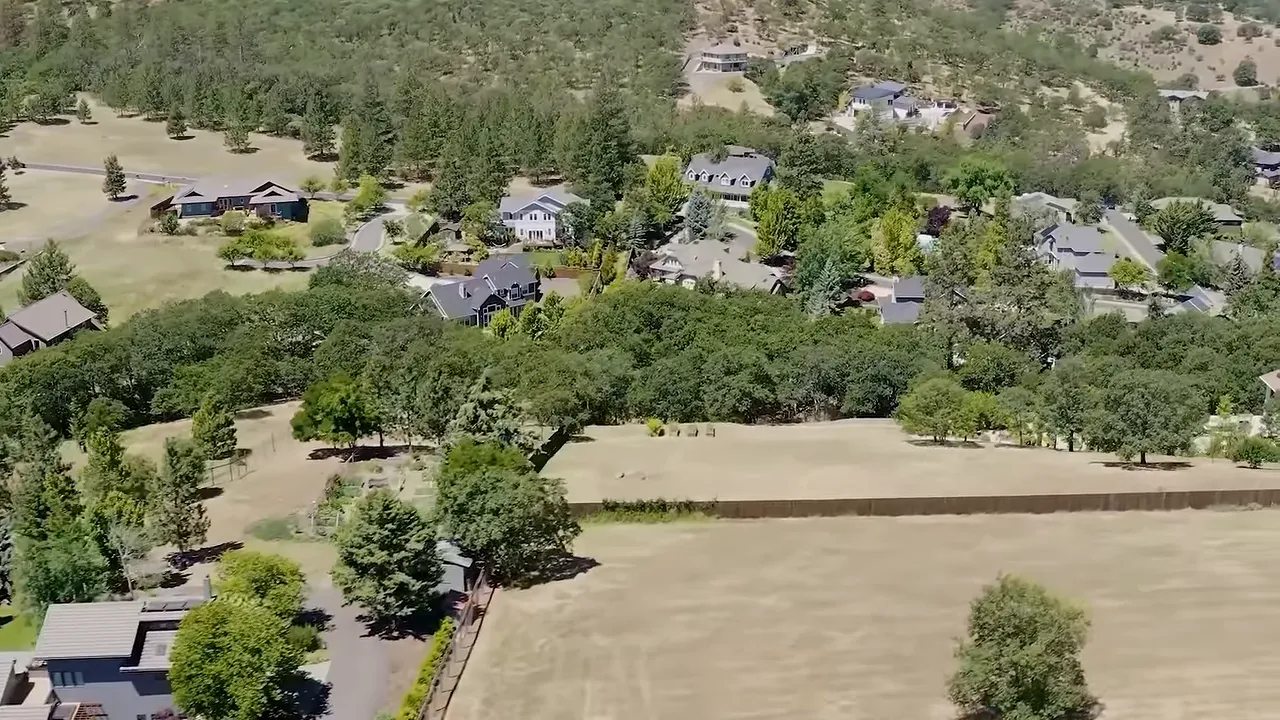
Higher fire-risk homes can also take longer to sell, especially properties more than 20 minutes outside town, on wooded slopes, or farther from fire services. Buyers are asking more questions about insurance, defensible space, and ongoing maintenance costs.
Here is the cleanest way to put it: in this market, a home needs to be a diamond or a deal. The homes that struggle are neither. Buyers have enough choices that they do not have to settle for a property that is overpriced, difficult to insure, poorly presented, or loaded with unknowns.
Reason #5: Buying in the Southern Oregon Housing Market
For buyers, the Southern Oregon housing market is creating one of the better entry windows we have seen in years. Inventory in Jackson County was up nearly 24 percent year over year, while Josephine County inventory was up more than 30 percent.
That does not mean this is a total buyer’s market. It is much closer to balanced. There are around 1,400 single-family homes for sale across the two counties, serving a population of roughly 300,000. That is not a massive amount of inventory, but it does mean buyers have choices, time to think, and more room to negotiate than they had a couple of years ago.
Prepared buyers can often ask for reasonable repairs or credits. Sellers are no longer choosing from a stack of offers every single time, so a clean, realistic offer has more leverage.
One piece of homework matters more than almost anything else: get insurance quotes before making an offer. Do not wait until after going under contract. Insurance can vary dramatically based on the location, tree coverage, slope, road access, and defensible space around the home.
In some cases, an insurer may require thousands of dollars in tree or brush removal before offering coverage. That information can materially change both the offer price and the decision to move forward.
Reason #6: Selling in the Southern Oregon Housing Market
Sellers need to understand that the market has changed from the 2021 and 2022 mindset. The line between homes that sell and homes that sit is not just location. It is price discipline and presentation.
One Medford seller listed at roughly $485,000 in August 2025, reduced to $459,000 by November, then to $439,000 in January 2026, and ultimately sold around $425,000. The issue was not that the market failed. The home was priced for an earlier market instead of the market that existed when it launched.
Across Oregon, the share of listings with price reductions climbed from around 26 percent to 33 percent. More than one in three listings has needed a price cut. That is why the most important seller decision is to price to today’s comparable sales, not to the top of the last cycle.
Spring, roughly March through June, remains a strong selling window in Oregon. But every season has its own advantage. The bigger point is that a well-priced, well-presented home can produce the strongest net result in any season.
For rural sellers, the bar has moved:
- Confirm insurance availability through a standard carrier when possible.
- Create and document defensible space.
- Have well and septic records ready.
- Expect buyers to request credits or concessions more often than they did a few years ago.
Reason #7: Southern Oregon Housing Market Forecast
The big picture still supports steady growth rather than a boom or a crash. Rogue Valley International Medford Airport set an all-time passenger record in 2025 with just over 1.1 million passengers, up 6.5 percent from the prior year. A planned $180 million terminal expansion is expected to nearly double capacity.
That is not the kind of investment you see in a region people are walking away from. Add in Rogue X, new residential construction, healthcare investment, airport expansion, and continued business activity, and you have a market supported by real infrastructure.
The quality-of-life fundamentals also keep stacking up. The Rogue Valley was recognized as a top wine region. Medford received national small-town recognition. Asante Rogue Regional Medical Center and Three Rivers Medical Center earned five-star recognition on Forbes’ top hospitals list in 2026, placing them among a very limited number of hospitals nationwide.
Statewide appreciation forecasts for 2026 were in the 2 to 4 percent range, with many established Southern Oregon markets expected to land toward the upper end or above it. That may not sound explosive, and that is exactly the point. Measured, compounding appreciation is healthier than a speculative run-up followed by a sharp correction.
The Southern Oregon housing market is not relying on cheap land and highways alone anymore. It is becoming a more established region built on lifestyle, constrained supply, regional access, amenities, healthcare, and continued demand from people who want to be here.
FAQs About Southern Oregon Housing Market
Is the Southern Oregon housing market about to become like Boise?
No. Southern Oregon is attracting attention, but the local market is more likely to see steady, fundamentals-based growth than the explosive surge that changed Boise so quickly.
Is 2026 a good time to buy a home in Southern Oregon?
Inventory has increased in both Jackson and Josephine counties, giving buyers more choices and more negotiating room than in recent years. It is a favorable window for prepared buyers who understand their budget, location priorities, and insurance costs.
Which Southern Oregon communities have the most momentum?
Eagle Point, Jacksonville, Central Point, West Medford near Rogue X, and Talent each have different strengths, including new construction, amenities, cash-buyer demand, infrastructure investment, or proximity to Ashland.
Why should buyers get insurance quotes before making an offer?
Insurance availability and cost can differ substantially between an in-town home and a wooded rural property. Early quotes can identify required brush clearing, tree work, or coverage limitations before an offer is submitted.
What should sellers do differently in the current market?
Price to current comparable sales, prepare the home well, and expect reasonable inspection requests or concessions. Rural sellers should also be ready with insurance, defensible-space, well, and septic documentation.
The bottom line is simple: the Southern Oregon housing market is changing, but the change is rooted in maturity, not panic. Buyers have more options. Sellers need to be more precise. And the communities with the right combination of access, amenities, value, and long-term livability are positioned to benefit the most.
If you’re considering buying in Southern Oregon (or you want to confirm which areas have the best long-term fit as the market matures), I’d love to help you map out your next steps. Call or text me directly at 541-954-7758 and tell me your budget, timeline, and what you need from a home—then we can discuss neighborhoods and the smartest strategy to start with, including getting insurance quotes early.
READ MORE: Moving to Southern Oregon: Things You Need to Know Before You Relocate

Buying Southern Oregon
At Buying Southern Oregon, we are a dynamic team dedicated to helping you achieve your real estate goals. Combining Brian Simmons’ deep market expertise and Josh Berman’s strong negotiation skills, we provide personalized service and local knowledge to ensure a seamless and rewarding experience. Whether you’re buying, selling, or relocating, we’re here to guide you every step of the way and make your Southern Oregon real estate journey a success.
Watch Our Latest Video