Moving To Southern Oregon: 12 Facts You Need to Know Before You Relocate
Moving To Southern Oregon comes with a whole lot of opinions from people who have never lived here. We hear that the region is constantly on fire, impossible to insure, rainy all year, wildly expensive, politically one-sided, and completely cut off from the rest of the world.
Some of those concerns have a little truth behind them. A lot are outdated, exaggerated, or just flat-out wrong. The goal is not to sell a fantasy version of this place. It is to give us the real picture, including the good, the bad, and the things that deserve some planning before Moving To Southern Oregon.
Key Takeaways
- Medford has a growing regional airport, while Southern Oregon growth remains steady rather than explosive.
- The Rogue Valley is much drier than Seattle or Portland, with warm summers and distinct seasons.
- Wildfire, smoke, insurance, and primary care all require planning, especially for remote rural properties.
- Local lifestyle combines arts, wine, rivers, trails, skiing, historic towns, and nationally recognized health care.
Table of Contents
- 1. Moving to Southern Oregon: Is Travel Really That Difficult?
- 2. Moving to Southern Oregon: Understanding the Growth
- 3. What Is Southern Oregon Like Politically?
- 4. Southern Oregon Weather: What To Expect
- 5. Cost of Living When Moving to Southern Oregon
- 6. Things To Do After Moving to Southern Oregon
- 7. Are Marijuana Grows Still a Concern in Southern Oregon?
- 8. Crime, Homelessness, and Drug Use in Southern Oregon
- 9. Healthcare in Southern Oregon: What New Residents Should Know
- 10. Homeowners Insurance When Moving to Southern Oregon
- 11. Wildfire Smoke in Southern Oregon: What To Expect
- 12. Southern Oregon Wildfire Risk: What Homebuyers Should Know
- The Real Fit: Is Moving to Southern Oregon Right for You?
1. Moving to Southern Oregon: Is Travel Really That Difficult?
Southern Oregon is not a major metro area, and we should be honest about that. If our work requires constant international travel or direct flights to every destination, Medford may not be the ideal home base.
But the Rogue Valley International Medford Airport is much more functional than many people expect. It surpassed 1.1 million passengers in 2025, setting an all-time record, and a $180 million terminal expansion is planned to nearly double capacity. More capacity can mean more route options, larger planes, and better availability over time.
A typical trip often includes one connection. For example, getting from Medford to Nashville through Salt Lake City can be done in about seven hours door to door, including the layover. For occasional family visits, vacations, and domestic trips, the airport works well. Moving To Southern Oregon simply means accepting that nonstop options will be more limited than they are in Portland, Seattle, or a large California market.
2. Moving to Southern Oregon: Understanding the Growth
We are growing, just not in the explosive Boise or Phoenix kind of way. Oregon has tight land-use rules, and every city has an urban growth boundary that limits where development can occur. Expanding those boundaries takes time, approvals, and planning.
That can be frustrating for developers, but it also helps prevent the rapid boom-and-bust cycles that can happen where construction has very few constraints. Medford alone is projected to need more than 12,000 additional housing units over the next 20 years. In the first half of 2025, the city issued nearly 400 building permits, exceeding the annual total of every year from 2018 through 2021.
For people Moving To Southern Oregon, the takeaway is simple: expect slower, steady, intentional growth rather than a runaway building boom.
3. What Is Southern Oregon Like Politically?
Oregon as a state leans Democratic. That is real. But assuming day-to-day life in Southern Oregon feels exactly like Portland is a mistake.
In the 2024 election, Jackson County voted Republican, with Trump receiving about 52% of the vote compared with about 45% for Harris. Josephine County leaned even more Republican. Ashland is the notable Southern Oregon exception and has a more progressive political culture.
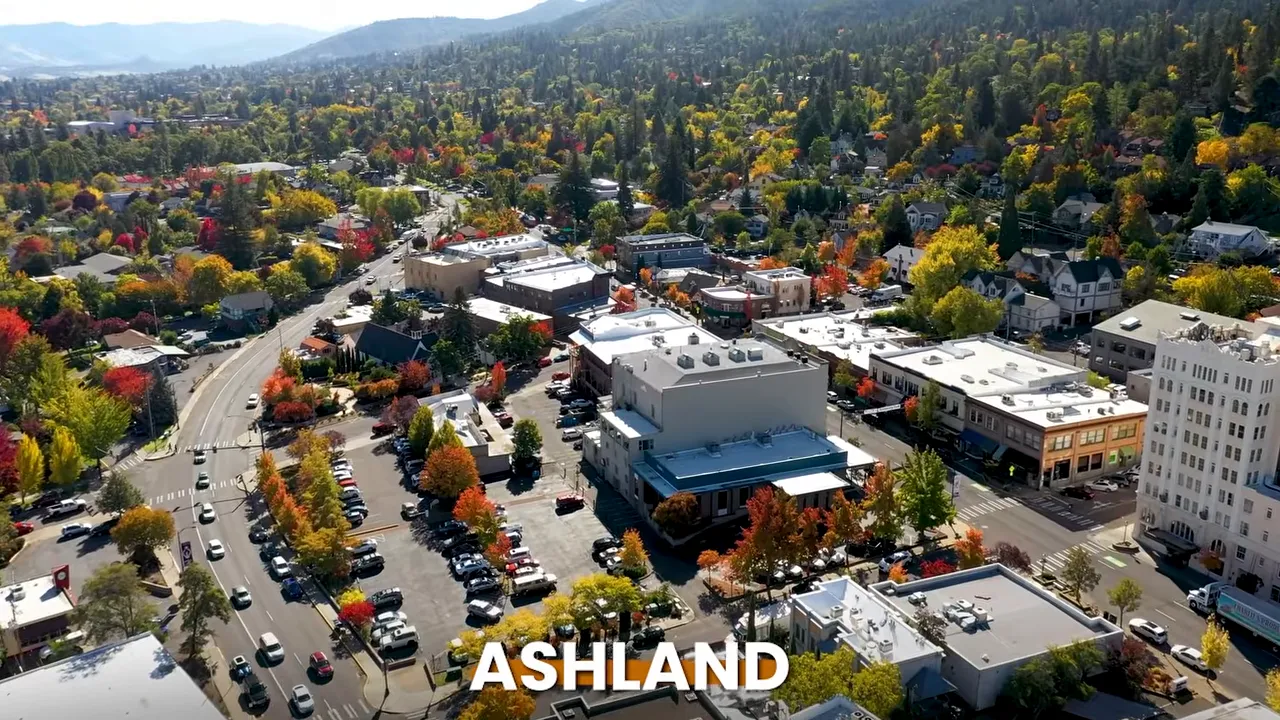
More importantly, local culture tends to be fairly live-and-let-live. People care whether we are good neighbors, lend a hand, wave when passing by, and show up for the community. Moving To Southern Oregon does not require us to agree politically with everyone around us, but it does require understanding that every town has its own personality.
4. Southern Oregon Weather: What To Expect
This is one of the easiest myths to clear up. Southern Oregon is not Portland, Seattle, or the Oregon coast. The Rogue Valley is sheltered by mountains, and that geography creates a much drier climate than many people expect from the Pacific Northwest.
Grants Pass receives less than 30 inches of rain annually, with most precipitation arriving from November through March. From June through September, it averages under two inches of rain total. Medford has been cited as having around 200 sunny days annually.
We get four real seasons:
- Fall: Cool mornings and warm afternoons often extend well into October.
- Winter: Generally mild, with occasional snow that is usually more scenic than disruptive.
- Spring: Green hills, blooming orchards, vineyards, and wildflowers across the valley.
- Summer: Warm, dry conditions that make river days, lakes, hiking, biking, and golf easy to enjoy.
Anyone considering Moving To Southern Oregon because they want seasons without months of gray drizzle should look at the actual climate numbers first.
5. Cost of Living When Moving to Southern Oregon
Is Southern Oregon cheap? Compared with some parts of the country, no. Compared with much of the West Coast, it is often one of the better values available. But the answer depends on the entire financial picture, not a single line item.
Oregon has no statewide sales tax. Groceries, furniture, and vehicles are not taxed at the register through a state sales tax. Property taxes are also relatively low, particularly compared with many East Coast and Northeast markets. Oregon limits annual assessed-value increases to 3%, unless major remodeling occurs, so taxes do not automatically jump just because nearby home values rise.
The tradeoff is income tax. Oregon income tax is higher than it is in states such as Texas, Nevada, or Florida. Anyone Moving To Southern Oregon from a no-income-tax state should run the numbers carefully.
We should compare the places actually on our shortlist using a cost-of-living calculator, then stack up housing, taxes, insurance, climate, health care, community size, and amenities. Purely cheaper land exists elsewhere. Finding the same overall balance is harder.
6. Things To Do After Moving to Southern Oregon
Moving To Southern Oregon does not mean trading a full life for a quiet one with nothing in it. The lifestyle is one of the strongest reasons people choose the Rogue Valley.
The Rogue Valley wine region was named the number one wine region in the United States in USA Today’s 10Best Reader Choice Awards. Irvine & Roberts Vineyards in Ashland was also named the country’s seventh-best tasting room on that list.
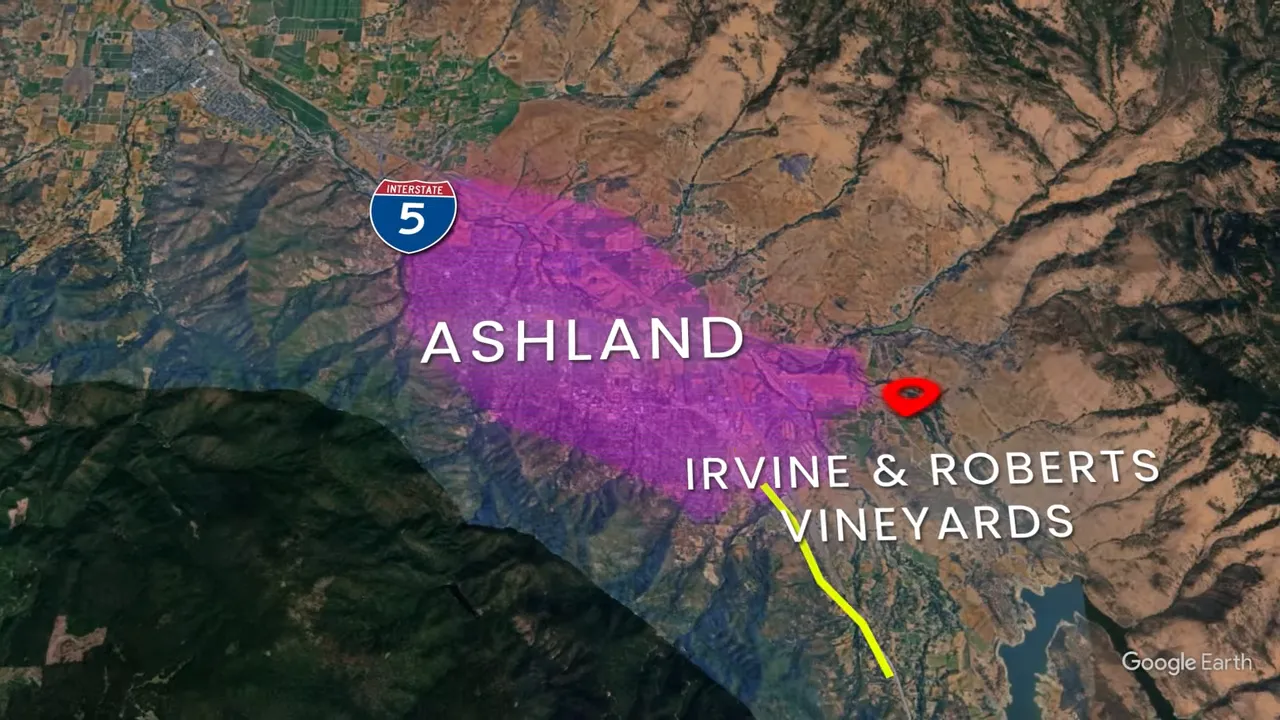
Ashland is home to the Oregon Shakespeare Festival and has been recognized among America’s top small arts towns. Jacksonville is a National Historic Landmark and is regularly recognized as one of the country’s charming small towns.
Then there is the outdoors. The Rogue River offers fishing, rafting, and kayaking. Crater Lake, the deepest lake in the country, is a little over an hour away. Mount Ashland offers winter skiing, while hiking, biking, golf, lakes, and river access fill out the rest of the year.
7. Are Marijuana Grows Still a Concern in Southern Oregon?
When Oregon legalized recreational marijuana, growers poured into Southern Oregon in the late 2010s. Properties with sun exposure, water rights, greenhouses, irrigation, and power infrastructure became highly sought after.
Then the market became oversupplied. Prices crashed, many operations could not cash flow, and a large number closed or sold at steep losses. There are still active operations in rural areas, but they are a fraction of what they were five or six years ago.
Most people Moving To Southern Oregon will not notice them day to day. There can be exceptions near an active farm during the narrow harvest window, so rural property buyers should still inspect the immediate area carefully.
8. Crime, Homelessness, and Drug Use in Southern Oregon
We should not pretend these issues do not exist. Medford and Grants Pass both experienced visible homelessness challenges, and the Bear Creek Greenway had a serious encampment problem.
That picture has changed substantially. Medford’s Livability Team recently counted 13 illegal encampments citywide, down from 186 in 2023. That is a real, measurable shift driven by city action and organizations including ACCESS, Options for Southern Oregon, and Continuum Behavioral Health.
Crime, homelessness, and drug use exist here as they do in cities across America. The important point is that these concerns tend to be concentrated in identifiable areas rather than spread evenly across the valley. Before Moving To Southern Oregon, drive the specific streets and neighborhoods under consideration at different times of day.
9. Healthcare in Southern Oregon: What New Residents Should Know
Southern Oregon has stronger hospital-level care than many people expect from a valley this size. Asante Rogue Regional Medical Center in Medford is the region’s largest hospital and a Level II trauma center. It has been recognized among Fortune and IBM Watson’s top 50 cardiovascular hospitals multiple times and was once named the number one community hospital in the country on that list.
Asante, which includes Rogue Regional Medical Center in Medford and Three Rivers Medical Center in Grants Pass, has also been named a top 15 health system nationally for 10 consecutive years.
The honest challenge is primary care access. Finding a new primary care physician can take time. Some residents use direct primary care memberships, generally around $100 a month for an adult, for same-day or next-day appointments, app communication, and direct access to a provider.
Highly specialized care may require travel to Portland or Eugene. Moving To Southern Oregon works best when we plan ahead for primary care and understand that not every specialist will be five minutes away.
10. Homeowners Insurance When Moving to Southern Oregon
Wildfire risk makes this one understandably emotional, especially for anyone coming from California. Still, several independent 2026 rate analyses placed Oregon among the country’s least expensive states for homeowners insurance.
Insurance becomes more challenging in very specific circumstances: a heavily wooded rural lot, dense vegetation near the house, steep slopes, or a property more than 10 miles from a fire station. Those homes can bring higher premiums, fewer available carriers, or a need to investigate the Oregon Fair Plan.
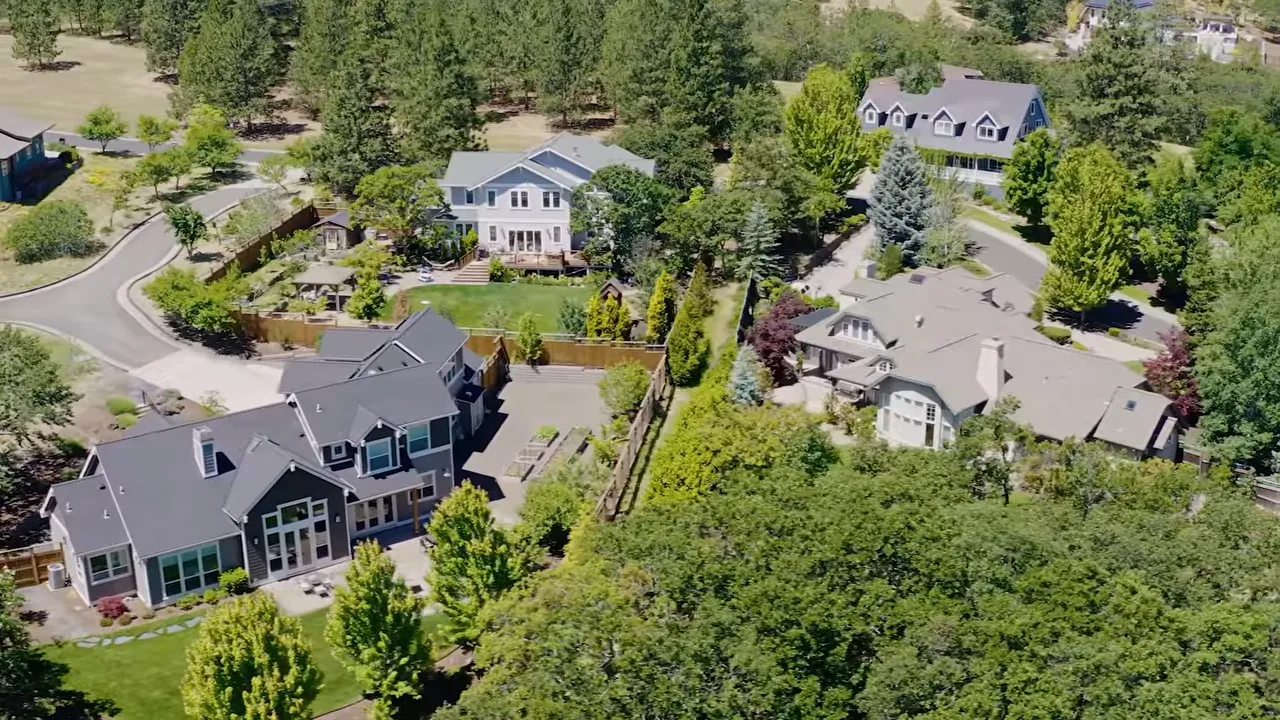
The Fair Plan offers more basic coverage and may not work for many financed purchases, so it is not something to treat casually. For the typical in-town home, subdivision property, or acreage on the outskirts of town, insurance is generally not the crisis many headlines suggest. Anyone Moving To Southern Oregon with rural land in mind should obtain insurance quotes before making an offer.
11. Wildfire Smoke in Southern Oregon: What To Expect
Smoke is a real concern, and we should keep it in proportion. Oregon DEQ data tracks days rated unhealthy for sensitive groups or worse. In Medford, the average over roughly the past decade is around 10 or 11 days per year.
Not all of those days come from wildfire smoke. Winter inversions can trap fog and stagnant air low in the valley for a day or two. That leaves roughly eight or nine days annually that are more directly tied to wildfire smoke, mostly concentrated from late August into early September when regional fires and wind patterns line up.
That does not mean every year is identical. Some summers have a week or two when outdoor plans need to change. But it does mean Moving To Southern Oregon is not the same as living under smoke from June through October. In fact, 2025 was described by the DEQ as one of the calmest wildfire smoke seasons in a decade.
12. Southern Oregon Wildfire Risk: What Homebuyers Should Know
This is the biggest concern behind nearly every other question about Moving To Southern Oregon. The Almeda Fire of September 2020 was devastating, destroying thousands of structures in Phoenix and Talent. But it began as an arson fire and moved through an urban corridor, jumping from fence line to fence line and structure to structure. That is different from a wildland fire moving through forests and rural land.
For a clearer look at true wildfire risk, consider the Rum Creek Fire in Josephine County in 2022. It grew to nearly 17,000 acres, forced evacuations, and at its peak threatened more than 5,000 homes and 2,600 other structures. Despite that, exactly one home was destroyed.
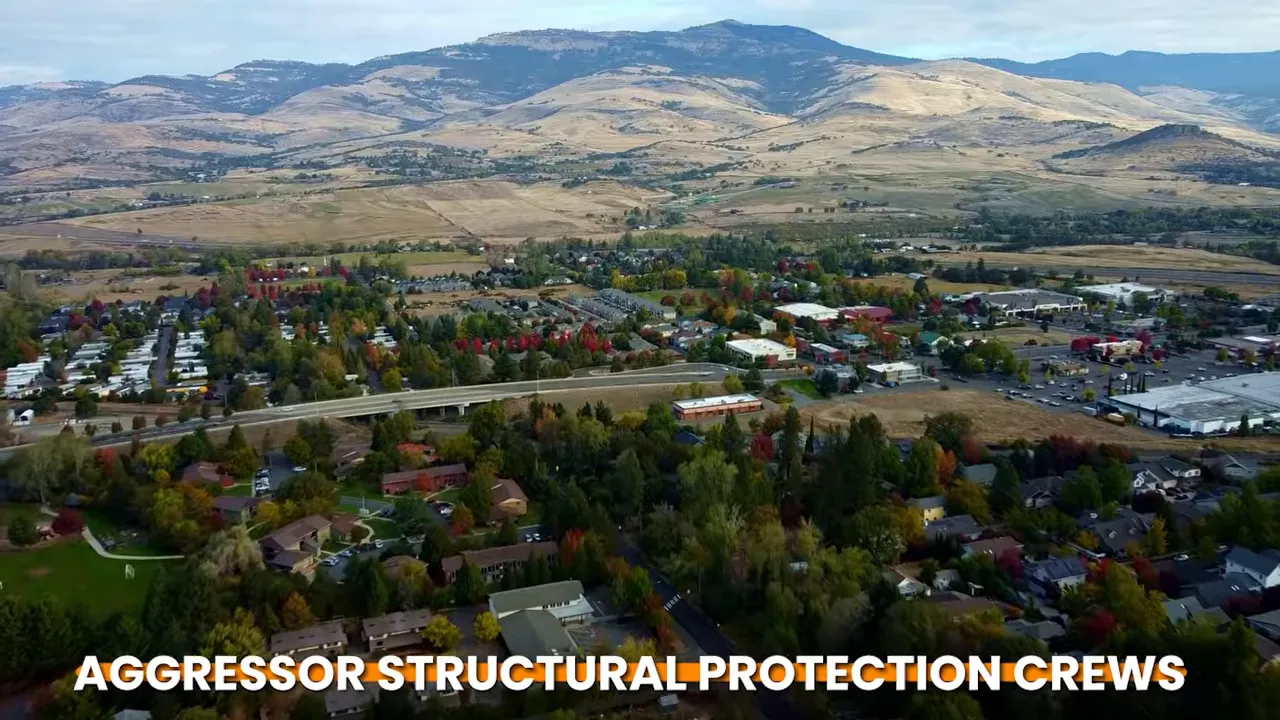
That outcome reflects defensible-space requirements, structural protection crews, coordinated firefighting response, and strong initial attack efforts. Fires can burn thousands of acres in undeveloped forest while resulting in few, or sometimes zero, home losses.
The risk is higher for a rural house with dense fuel against the structure and no defensible space. But that is not unique to this region. It is a property-management issue wherever homes meet wildland. Before Moving To Southern Oregon, rural buyers should evaluate vegetation, slope, access, fire-station distance, defensible space, and insurance together.
The Real Fit: Is Moving to Southern Oregon Right for You?
Moving To Southern Oregon is not for everyone. We should not brush aside higher state income taxes, limited primary care availability, occasional smoke, or the additional due diligence needed for certain rural homes.
At the same time, rain, wildfire risk, insurance, homelessness, and air quality are often described in ways that do not match the full data or the day-to-day experience here. This is a region with a dry four-season climate, meaningful recreation, strong hospital care, steady growth, a functioning regional airport, and communities that range from arts-focused Ashland to more rural and conservative parts of Jackson and Josephine counties.
The right decision comes from comparing actual neighborhoods, actual properties, and actual priorities. That is how we find a place that will still fit five or ten years down the road.
Whether you’re relocating to Southern Oregon, planning for retirement, or simply exploring your next chapter , choosing the right community matters. From Medford and Grants Pass to Ashland and the surrounding Rogue Valley, I can help you understand the neighborhoods, housing options, lifestyle, and factors that matter most for your move.
Call or text me directly at 541-954-7758 to talk about your goals and start planning your move to Southern Oregon.
Frequently Asked Questions About Moving To Southern Oregon
Does it rain all the time in Southern Oregon?
No. Grants Pass receives less than 30 inches of rain annually, with most rain falling between November and March. Summers are typically warm and dry.
Is wildfire smoke a major problem in Southern Oregon?
Smoke can affect the valley during late summer, especially in late August and early September. DEQ data cited for Medford shows roughly eight or nine wildfire-smoke days per year on average, although individual seasons vary.
Can we get homeowners insurance in Southern Oregon?
Most in-town and suburban properties can obtain homeowners insurance at reasonable rates. Very rural, steep, heavily wooded properties far from fire services can be more difficult and should be quoted before an offer is written.
Is health care good in the Rogue Valley?
Hospital and emergency care are strong, led by Asante Rogue Regional Medical Center and Three Rivers Medical Center. The bigger challenge can be finding a primary care provider quickly, while highly specialized care may require travel to Portland or Eugene.
Read More: Moving to Southern Oregon: How to Choose a Lifestyle You Will Still Love Years From Now

Buying Southern Oregon
At Buying Southern Oregon, we are a dynamic team dedicated to helping you achieve your real estate goals. Combining Brian Simmons’ deep market expertise and Josh Berman’s strong negotiation skills, we provide personalized service and local knowledge to ensure a seamless and rewarding experience. Whether you’re buying, selling, or relocating, we’re here to guide you every step of the way and make your Southern Oregon real estate journey a success.
Watch Our Latest Video