7 Southern Oregon Property Red Flags I'd Never Buy (And Who They're Right For)
You walk into a house and the views stop you cold. The kitchen opens to a great room that spills onto a deck overlooking the valley. You can already picture your morning coffee out there. Then the inspector calls and says the septic system predates modern permitting standards and the well ran dry after thirty minutes of testing. Suddenly that dream home is a decision you have to make with your eyes wide open, not your heart.
I've lived in Southern Oregon for over thirty years and closed hundreds of transactions across Jackson County and Josephine County. In that time, a short list of property issues has come up again and again. Some are not a big deal. Some are absolute deal killers. But here's what a lot of agents won't tell you: the ones that look like deal killers sometimes hide an opportunity for the right buyer. Today I'm walking you through seven types of properties I would personally not buy, what each red flag actually costs you if you miss it, and who might see the opportunity everyone else is running from.
Table of Contents
- Homes with Dysfunctional Layouts
- Too Many Stairs in a Retiree-Heavy Market
- Homes Built for One Very Specific Lifestyle
- The Overpriced Home (And When to Pay It Anyway)
- Boundary Line and Encroachment Issues
- Wells That Have Already Shown Signs of Failing
- Failed Septic Systems: The Number One Deal Killer
- Which Red Flag Can You Actually Work Around?
- Ready to Find the Right Home in Southern Oregon?
Homes with Dysfunctional Layouts
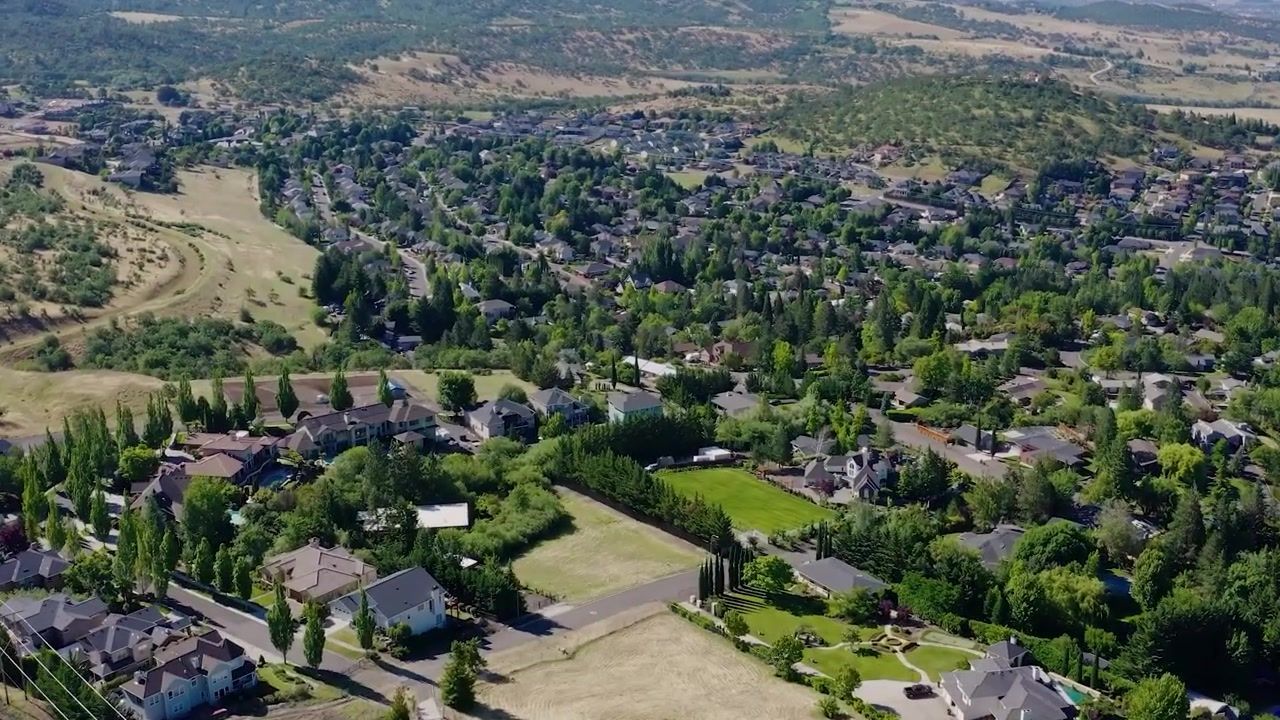
A house that's been added onto three or four times over the decades can wind up with a hallway that twists like a maze, a kitchen cut off from everything else, and rooms that seem to exist for no reason. Is it a small bedroom or a closet? Hard to say. A lot of buyers today, especially ones relocating to Southern Oregon to retire or move up into a bigger home, want that open connected floor plan. Great room where the kitchen and dining and living space all flow together. A chopped-up layout kills that flow and shrinks the buyer pool fast. It shrinks even more the longer the home sits on the market because buyers start to wonder what else is wrong with it.
Opening up a floor plan sounds simple until you find out which walls are load-bearing. A basic reconfiguration might run you a manageable amount if you're doing a couple little things. But if you're taking out structural walls and rerouting plumbing and electricity, maybe vaulting the ceilings, that number climbs really fast. It climbs even faster if the home's foundation or framing wasn't built to accommodate the change easily.
Who This Home Is Right For
If the location is the kind you just cannot replicate, riverfront, walkable to downtown Ashland, incredible views, then a bad layout on a great lot is a fixable thing. You can't move the house closer to premium locations like Lithia Park or the river, but you can reconfigure a hallway. This makes sense for somebody with the budget and patience to renovate, or maybe the skill to do it themselves. Somebody who wants that premium location and is okay with the project it's going to require to get the home functional for the life they want to live in it.
Too Many Stairs in a Retiree-Heavy Market
This one surprises a lot of people. I'm talking about properties where you park at the bottom on the road, climb a set of stairs to reach the front door, go through the front door and climb another set to get into the main living space, maybe even another set to reach the bedrooms. The views can be incredible. These homes photograph really well. But to actually live in it for a few years can be challenging and taxing when you're going up and down stairs all day long.
Here's why this matters so much in our market specifically. According to census data, close to a quarter of Jackson County's population is sixty-five or older. In Josephine County it's over a quarter. Both of those numbers run well above the national average, and a huge share of our relocation buyers fit that demographic exactly. People retiring, planning that next chapter. For that buyer, stairs are generally a hard no. They may consider a daylight basement with stairs going down where the main living space, master bedroom, kitchen, and dining are all upstairs. But in most cases it's a pass.
The Cost of a Shrinking Buyer Pool
That translates to a real cost. A shrinking buyer pool in a market where a big chunk of the demand is specifically the group this house doesn't work for can be a problem. But who does this work for? Younger active buyers who want the views, who want the location, who don't mind the climb. I've also seen this work really well with second homes or vacation rentals where the buyer isn't living there full time day in and day out. The stairs just tend to matter much less.
If that's you and you know exactly what you're signing up for, this can be a great way to get hillside views at a bit of a discount. The buyer pool is just not as competitive because you're cutting out a big chunk of it. If you're relocating out here and trying to figure out whether a hillside property like this is actually going to work for you long term, or if there's maybe a better option where you can still get those views but have a flat single-level home, call me, text me, email me, whatever is easiest for you. I'd be more than happy to talk through the different types of properties we have out here as options. We have a lot of inventory on the market right now and it's a great time to find exactly what you're looking for.
Homes Built for One Very Specific Lifestyle
A three-thousand-square-foot home with a single bedroom designed entirely around entertaining. Think massive great room, big huge kitchen, maybe a wine cellar or a home theater, and a bedroom somewhere tucked away privately in all that space. For the person who built that, it was their dream home that fit their lifestyle perfectly. But think about who else that home would appeal to when it comes time to sell.
A family with kids is not buying a one-bedroom home no matter how big it is. A retired couple downsizing usually doesn't need three thousand square feet built around hosting parties. You essentially built a home for a buyer pool of very few. And eventually that one person who built it for themselves is going to need to sell it.
The Resale Reality
The resale value of a home like that, whether it's that one-bedroom example or just over-the-top ultra-modern or you're really into dragons and you made really cool dragon tile mosaic work, the things that were important to you or really cool to you may not be as important and cool to somebody else. You end up shrinking that buyer pool down. The reality is there could be nothing wrong with the house, but no matter what the market is doing, good or bad, this home is going to take a much longer time to sell and appeal to a much smaller pool of buyers. That obviously affects the price.
Who could this actually make sense for? Honestly, somebody building their forever home who has made peace with that trade-off. If you know you're never going to leave and you're not even really concerned about resale because it's going to be something your kids or your heirs are going to have to deal with at some point, it could work. I'd also say it can work if you go in with a plan to add bedrooms and you're totally okay with that. You've evaluated it fully, done your due diligence, you know it's possible, you have the land to do it, you've explored that it is actually in fact possible. That could be another case where this might make sense.
The Overpriced Home (And When to Pay It Anyway)
This one seems really obvious until you're the one actually falling in love with the house. Right now across Jackson and Josephine Counties there's enough inventory on the market that you rarely have to overpay for a typical home in a typical subdivision. If the seller's asking above what the comps support, there's almost always something similar down the street for less, or maybe it'll come on the market shortly.
Paying above market means you're starting your ownership with less equity than you should have. If life throws you a curveball and you need to sell in a couple of years, you could end up writing a check at closing instead of walking away with a profit.
The Exception for Truly Unique Properties
Here's the exception. If the home truly is unique, something with no true comparable on the market, which is hard to find really, the math can change. Here's a better example. Let's say you have horses and you want to find the one property in the valley that has the exact barn setup, the cross-fence pastures, and the arena that you need. There's nothing else like it for sale. In that case paying a little bit more of a premium can make sense if you found that exact thing you were looking for. You're not just buying a house, you're buying something that's going to fit your lifestyle and maybe even your business for years to go forward.
I want to be clear that exception is really just for truly one-of-a-kind properties. It's not an excuse to overpay for a standard three-bed two-bath home in the middle of town. There's going to be other options that are either on the market right now or will hit the market. I definitely do not suggest overpaying no matter how much you fall in love with it if you're looking at homes that are in town in a subdivision.
Boundary Line and Encroachment Issues
I'm speaking from personal experience on this one. I've gone through a situation that cost tens of thousands of dollars to resolve a deed discrepancy on a property I owned with a business partner. It was horrible. This is something a lot of buyers don't even think to look at ahead of time.
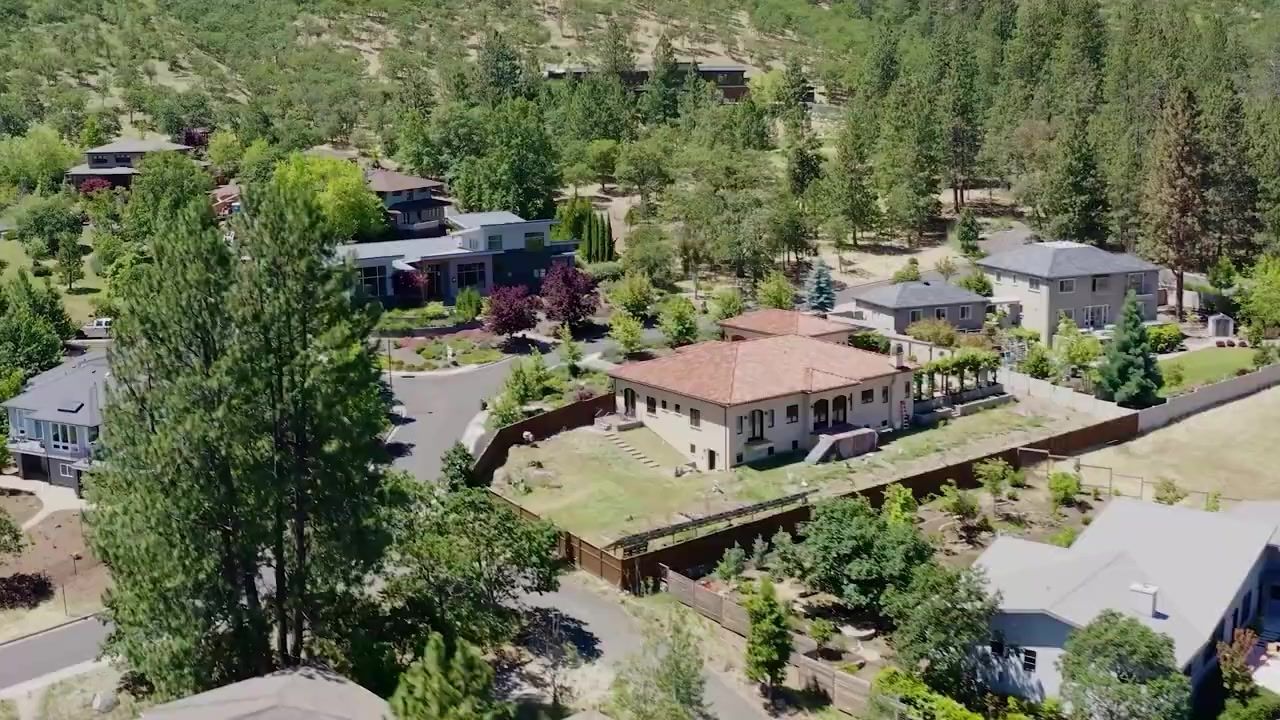
Maybe a fence was built a few feet onto the neighbor's property thirty years ago and everybody was just fine with it. Nobody made a big deal about it. Or maybe a shed or a driveway crosses over the actual legal line. Maybe there's a shared well or a shared access road with no recorded agreement about who maintains it.
The Mistake Buyers Make
Here's the mistake I see buyers make a lot. They figure, well, it's been like this for decades, nobody's really complained about it, so it's fine, not going to be a big deal. That's not how it works. You could get lucky. But if you buy a property and you end up inheriting those issues, maybe your neighbor never says a word about it. But what happens when that neighbor sells and somebody new moves in and they have a completely different opinion about the fence line?
Here's the important part on your side of it. The next buyer after you is going to have maybe a survey done or the title company is going to flag it as an issue. You're going to come back around and say, man, maybe I should have just resolved that in the beginning instead of kicking the can down the road and assuming nobody else is going to care about it. Somebody has to deal with it eventually and it might as well just be resolved before you buy it, before you close, not after.
What It Costs to Fix
The costs can range substantially. A straightforward boundary line agreement between two cooperative neighbors with a survey and some paperwork is probably going to start in the few thousand dollar range. But if it turns into a real dispute and you need to get a formal easement written up or even get into litigation, that number can climb into tens of thousands of dollars, plus the time and the stress that comes with it.
Who is this right for? It can work for a buyer who does their homework upfront. If you get a survey done before you close, talk to the neighbor, get a proper boundary line agreement recorded, you can absolutely move forward on a property like this with confidence. I always tell people, let's not run away immediately if you see some sort of encroachment, let's try to see what the options are. But the buyer this is definitely wrong for is the one who hears about this issue and decides that's just not an issue, we don't really care about that. That's exactly how a manageable problem turns into a very expensive one sometime way down the road at a time you don't know when. You may or may not be financially prepared to take it on at that time. Your options are even more limited and that's a bad situation.
Wells That Have Already Shown Signs of Failing
I want to be very specific about what this actually looks like. When you buy a rural property, we always suggest you do a full four-hour well flow test on the well. What you're going to look at is whether that well can sustain production over the full test. If you get a well that's only producing a gallon or two a minute, that isn't necessarily a problem on its own. That sounds low and it is. But a well that flows steadily for thirty minutes and then dries up completely for the rest of the test, that is the one you need to keep an eye on. That's probably one you want to run away from, honestly.
Why This Is a Bigger Issue Than Boundary Disputes
Here's why I actually put this one as a bigger issue than the boundary line issue. With a boundary line dispute you generally know what it's going to take to fix it. With a failed well you really don't. The fix might be a holding tank that stores water so you're not relying on that real-time production, or it might mean drilling a brand new well entirely, which can run you well into five figures depending on how deep it needs to go or the geology of the specific area, how hard it is to drill there.
Here's the part that makes it so risky. There's no guarantee that the new well will produce any better than the old well. You could spend that money and still be dealing with the same problem. That's a lot of unknowns for something you cannot live without, which is water. With as much inventory as we have on the market right now here in Southern Oregon, there's rarely a reason to take on that kind of risk when there's likely a comparable property with a solid tested well not far down the road somewhere.
Who This Could Work For
If a property has access to a rural water district or a shared community water system nearby that you could tap into, that changes the equation completely. You're not actually dependent on that well alone anymore. But even without that, I want to walk you through some math because a lot of buyers see that number, one or two gallons a minute, and they panic for no reason.
The average household uses around one hundred gallons of water a day per person. That includes showers, laundry, watering plants, all of it. A family of four is using somewhere around four hundred gallons of water a day. Well, a well that's producing just one gallon a minute is theoretically capable of producing over fourteen hundred gallons in a day. If you pair that well with a properly sized holding tank, say a thousand or two-thousand-gallon holding tank, and you're pulling from that tank while the well slowly tops it back off all day long, with that kind of setup it's highly unlikely you'd ever run out of water.
If the property already has a holding tank in place, we can negotiate for the sellers to install one if they didn't have one. A lot of times those properties that have the lower producing wells generally will have a holding tank already installed. If that's the scenario where it's just lower producing, I really wouldn't be too concerned about it. The one I would be very concerned about is when it actually dries up completely or slows to a quarter gallon a minute after a very short period of time, maybe thirty minutes or so. That's the type of situation where a holding tank, a new well, you're simply not guaranteed to fix the problem. Do not buy these types of properties without doing your full due diligence and making sure there's a really good plan in place for how to address the issues if there's actually a plan to be able to put in place there.
Failed Septic Systems: The Number One Deal Killer
That number one spot goes to a septic system that has already failed. We're talking about a system that's showing real signs of failure: backup, standing water, sewage odor, or a septic inspector who's just straight up telling you it is not functional. That's a very different situation than a system that's simply overdue for a routine pumping or inspection.
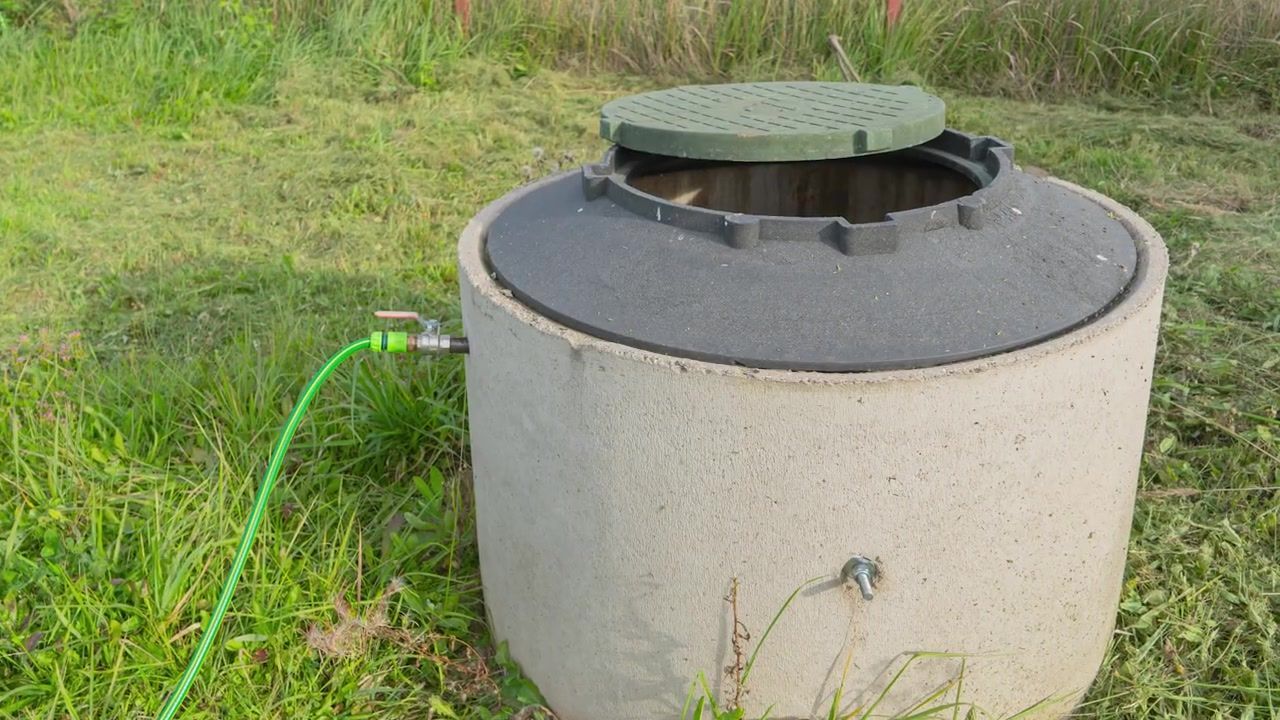
Here's the range of what you could be looking at. Sometimes it's a simple manageable fix. A component needs to be replaced like a baffle or the line needs to be cleared. That could be something in the few thousand range. But if it's the system overall, maybe it predates the modern permitting standards, and a lot of the older rural properties out here do have that, that's definitely not uncommon to see, you may not have the option to do a simple repair at all. The county can require you to install an entirely new system built up to the current code. Depending on the type of system your soil and site conditions require, that could run anywhere from the ten-thousand-dollar range to nearly a hundred thousand dollars for the most complex situation.
Get Actual Bids Before You Move Forward
Here's what I tell every buyer looking at property like this. Do not move forward until you get actual bids from licensed installers who have looked at the site, who told you specifically what system you're going to be required to put in and what it costs. Not just an estimate or a guess. I want to set expectations here too because in most cases getting those actual real answers means doing test holes. They have to be dug and then the county inspector has to come out to review them. That whole process can take weeks or months. If you're on a tight timeline and you need to close quickly, a property like this is probably not going to be the right fit for you.
Who Is This Right For?
Somebody that goes in with eyes wide open. Somebody comfortable managing a project who gets those bids upfront, who negotiates a serious price reduction or seller credit that actually reflects the true cost of the system or the repairs that need to be done. They treat it like the land deal that it really is. Sometimes the location and the acreage and the value justify the price even when you account for a new system.
What doesn't work is a typical relocation buyer who wants that turnkey home and they find out this information after closing. That's a situation that turns a dream move into a very expensive and unfortunate lesson. If you want to dig into the specifics on any of our Southern Oregon communities, you want to know the details, the median home prices, the age of the local community, the average age of the residents, maybe things like that, head to buyingSouthernOregon.com and click on Explore the Area. You can pull up any city you're curious about and dig into super specific details about that city.
Which Red Flag Can You Actually Work Around?
Here's the takeaway from all seven of these. Almost none of them are automatic deal breakers. What they are is a reason to slow down and ask the right questions and get real answers before you fall in love with the house. A dysfunctional layout can be fixed. A steep set of stairs might be exactly right for the right buyer. Even a failed septic system can pencil out for someone who goes in prepared and maybe is able to negotiate a really good deal on a premium location.
But the buyers who get burned are the ones who skip those steps entirely. They get too excited and they're like, screw it, we want this place. That's when a manageable issue becomes a financial disaster you didn't see coming.
Ready to Find the Right Home in Southern Oregon?
I'm Brian Simmons with the Buying Southern Oregon team. We've helped hundreds of buyers and sellers out here and we do it as a full one-stop shop. Buying, selling, in-house lending, all under one roof. If you're looking at a property with one of these issues and you want a second opinion before you write an offer, that's exactly what I'm here for.
Call or text me at 541-954-7758, or email me at brian@buyingsouthernoregon.com. Grab that free relocation guide by scanning the QR code or visiting buyingSouthernOregon.com. I'd be more than happy to help any way we can. No pressure at all, just a straight-up conversation about your specific situation and what makes sense for you long term.
FAQ: Southern Oregon Property Red Flags
How do I know if a well is actually failing or just low-producing?
A low-producing well that flows steadily at one or two gallons per minute can work fine with a holding tank. A failing well is one that flows for thirty minutes and then dries up completely during a four-hour flow test. That's the red flag. Always do a full four-hour well flow test on any rural property before you close.
Can I negotiate a price reduction if the home has a failed septic system?
Absolutely. Get actual bids from licensed installers who have looked at the site and told you what system you're required to install and what it costs. Then negotiate a price reduction or seller credit that reflects the true cost. Do not move forward without those real numbers in hand.
Are stairs really that big of a deal in Southern Oregon?
They are if you're part of the demographic that makes up over a quarter of Jackson and Josephine Counties. Close to twenty-five percent of the population here is sixty-five or older. For that buyer, stairs are generally a hard no. But for younger active buyers or second-home buyers, stairs can mean hillside views at a discount because the buyer pool is smaller.
What's the difference between a boundary line issue and an encroachment?
An encroachment is when something like a fence, shed, or driveway crosses over the actual legal property line. A boundary line issue can also include shared wells or access roads with no recorded agreement about who maintains them. Both can cost you thousands to tens of thousands to resolve, especially if it turns into a dispute. Get a survey done before you close and get a proper boundary line agreement recorded if needed.
Should I avoid homes with dysfunctional layouts altogether?
Not if the location is something you cannot replicate. Riverfront, walkable to downtown Ashland, incredible views, those are things you can't move. A bad layout on a great lot is fixable if you have the budget and patience to renovate. Just know what it costs to take out load-bearing walls and reroute plumbing and electricity before you fall in love with the house.
Is it ever worth paying above market for a home in Southern Oregon?
Only if the home is truly unique with no comparable on the market. Think the one property in the valley with the exact barn setup and cross-fence pastures and arena you need for your horses. That's a lifestyle and business fit, not just a house. For a standard three-bed two-bath in a subdivision, there's almost always something similar for less or coming on the market soon. Don't overpay for typical homes in typical subdivisions.

Buying Southern Oregon
At Buying Southern Oregon, we are a dynamic team dedicated to helping you achieve your real estate goals. Combining Brian Simmons’ deep market expertise and Josh Berman’s strong negotiation skills, we provide personalized service and local knowledge to ensure a seamless and rewarding experience. Whether you’re buying, selling, or relocating, we’re here to guide you every step of the way and make your Southern Oregon real estate journey a success.
Watch Our Latest Video