Southern Oregon vs Coastal Oregon: Which Is Better for Retiring in Oregon?
When comparing Southern Oregon vs Coastal Oregon, the photos can make both regions look like an easy choice. The coast has dramatic sea stacks, beaches, seafood, golf, fishing towns, and that unmistakable Pacific Northwest scenery. Southern Oregon has the Rogue Valley, mountain views, wineries, rivers, four distinct seasons, and more sunshine than many people expect from Oregon.
But a retirement move is not a vacation decision. The question is not which place looks better in July. It is this: What does a normal Tuesday actually feel like?
That means considering the weather in February, the drive to the hospital at 3:00 a.m., what your fixed income buys, how easy insurance is to obtain, whether the town is growing, and whether you will still love the pace of life after the novelty wears off.
For many people retiring in Oregon, Southern Oregon vs Coastal Oregon comes down to a tradeoff between daily ocean access and a more convenient, sunny, connected lifestyle inland. Neither choice is wrong. They are just very different.
Key Takeaways
- Southern Oregon is much drier and sunnier than the coast, with Medford averaging about 20 inches of annual rainfall.
- Similar home budgets can often buy newer homes and provide more practical convenience in the Rogue Valley.
- Southern Oregon offers closer access to full-service hospitals and a Level II trauma center in Medford.
- The coast can still be an excellent fit for people who prioritize daily ocean access, cool weather, and a slower pace.
Table of Contents
- Southern Oregon Vs Coastal Oregon Weather
- Housing Costs And Retirement Buying Power
- Wildfire Risk And Home Insurance
- Community Feel For Retiring In Oregon
- Health Care Access In Southern Oregon And Coastal Oregon
- Long-Term Home Value And Growth
- Southern Oregon Vs Coastal Oregon: The Bottom Line
Southern Oregon Vs Coastal Oregon Weather
Weather is usually the biggest surprise in a Southern Oregon vs Coastal Oregon comparison. When people hear “Oregon,” they often picture constant rain, gray skies, and umbrellas. That picture fits much of the coast. It does not accurately describe the Rogue Valley.
Medford sits in a warm-summer climate with hot, dry summers and cooler, wetter winters. Average annual rainfall is around 20 inches, which is roughly half the national average of about 38 inches. That puts Medford in a similar rainfall range to Sacramento, Amarillo, and Denver, places most people would not call relentlessly rainy.
July and August bring legitimate summer heat, but they also bring consistent blue skies and dry afternoons. That makes it easier to use the river, lakes, golf courses, hiking trails, patios, and outdoor dining without needing to plan around a storm.
The Oregon Coast is moderated by the Pacific, so temperatures stay more even throughout the year. That can be a huge plus for anyone who dislikes summer heat. The tradeoff is moisture, fog, wind, and overcast skies.
- Newport averages roughly 76 inches of rainfall annually.
- Tillamook receives around 90 inches in a typical year.
- Gold Beach comes in near 85 inches.
- Portland and Seattle, often considered very rainy, average only about 36 to 38 inches.
That is the reality of the Southern Oregon vs Coastal Oregon weather difference. Coastal rain is not just an occasional inconvenience. Marine fog can settle in for days, leaving long stretches without direct sun. Some people find that peaceful. Others get tired of it very quickly.
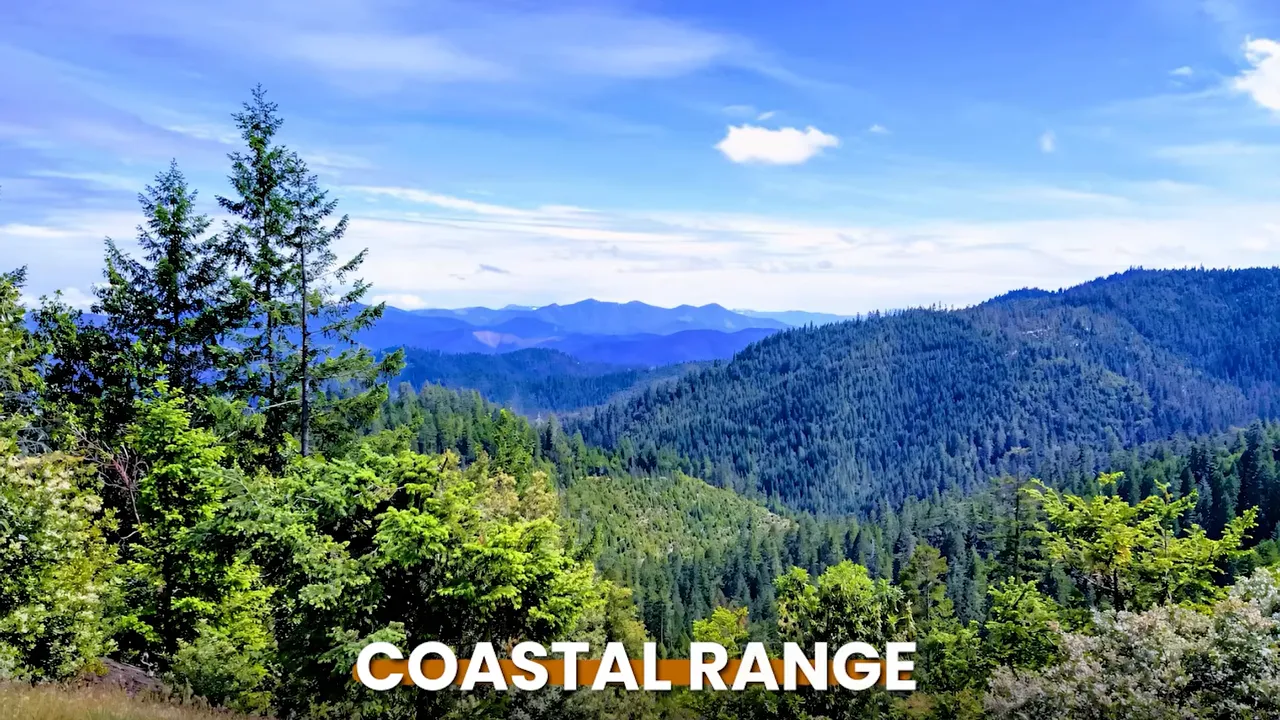
The Coastal Range plays a major role here. It catches much of the moisture moving in from the Pacific, while the Rogue Valley on the inland side stays significantly drier.
If cool temperatures, rain, fog, and the sound of the ocean are part of the dream, the coast may be exactly right. If you want four seasons and frequent usable outdoor days, Southern Oregon has a strong advantage.
Housing Costs And Retirement Buying Power
For anyone retiring in Oregon, the home itself is only one part of the cost equation. You also need to consider home age, maintenance, taxes, insurance, and the practical condition of the property.
At the time of this comparison, Medford’s median home price was around $425,000. Across Jackson and Josephine counties, the median sold price was closer to $450,000. On the coast, Lincoln City was around $439,000 and Newport was around $515,000.
Those numbers may not initially look dramatically different. The difference often shows up when you compare what each budget actually buys.
In many coastal markets, a budget around $439,000 may mean an older home with original finishes from the 1970s or 1980s. On the Southern Oregon side, that same budget can sometimes put you into newer construction. Older coastal homes can also come with more exposure to wind, salt air, damp conditions, and maintenance needs, especially if they were built before more current moisture and wind standards.
Property Taxes Add Up Over Time
Property taxes vary significantly by county, and that can matter a lot on a fixed retirement income. Jackson County’s effective tax rate was cited around 0.76%, with a typical annual bill near $3,000. Josephine County is generally lower, with typical annual bills around $2,000.
Coastal counties can vary more widely. Curry County was cited around 0.42%, while Lincoln County was near 0.89%. On a $465,000 home, that county-to-county difference can work out to roughly $2,600 annually.
None of these line items may feel life-changing in isolation. But stack together the home price, age of the property, maintenance needs, tax rate, and insurance costs, and Southern Oregon often comes out ahead for many retirement budgets.
Wildfire Risk And Home Insurance
Wildfire is one of the first concerns people raise in a Southern Oregon vs Coastal Oregon discussion. The 2020 Almeda Fire was devastating, especially in Phoenix and Talent, and it deserves to be taken seriously. It was the most destructive fire in Oregon history by structures burned.
But the context matters. The Almeda Fire was an arson fire, not a typical lightning-caused forest wildfire or power-line fire during a dry summer. It moved through populated areas after being deliberately set.
When that single event is separated from the broader wildfire discussion, the data tells a more measured story. According to the Oregon Department of Forestry figures cited here, Jackson and Josephine counties combined lost fewer than 15 homes to wildfire over the previous 10 years, excluding the Almeda Fire.
Smoke is also a real consideration, but it should be viewed in proportion. Oregon DEQ data cited for Medford and Grants Pass showed an average of roughly four to six days per year in unhealthy or worse air-quality categories over the prior five summers. A bad wind pattern can certainly bring a difficult stretch of smoke, including smoke from fires outside the area. But that is different from assuming the entire summer is unusable.
Insurance Depends On The Specific Property
Oregon ranked among the 10 least expensive states for homeowners insurance in the figures cited, with a typical annual premium around $900 compared with a national average above $1,700.
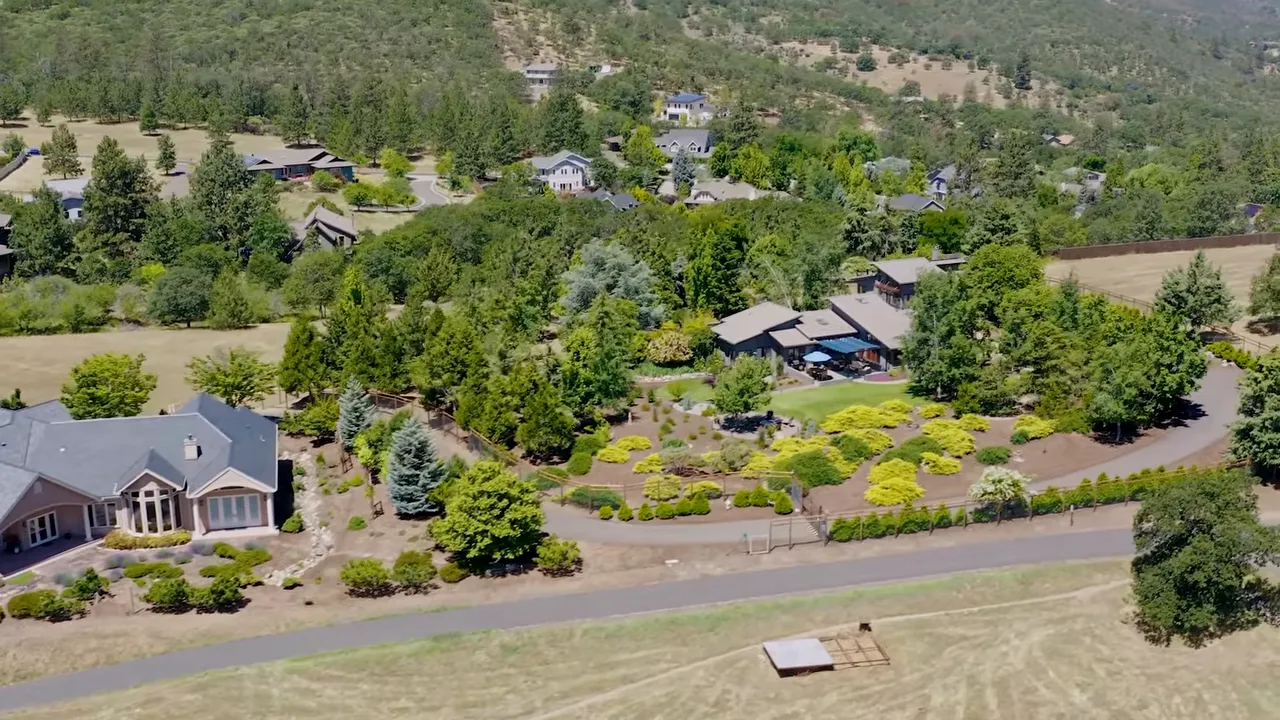
In town, ordinary homes in Medford, Ashland, Grants Pass, and Central Point are generally not difficult to insure. Insurance challenges are more likely with properties far from fire stations, deep in heavy timber, located at the end of long gravel drives, or surrounded by brush.
Rural living is still possible. Just be thoughtful. Create and maintain defensible space, understand road access, and obtain insurance quotes for the exact property during due diligence before committing to a purchase.
Community Feel For Retiring In Oregon
The community question is about more than population totals. Ask whether the place you are considering is attracting new residents, younger households, remote workers, and businesses, or whether it is aging in place.
Jackson County, home to Medford, Ashland, and Central Point, has about 220,000 people and a median age just under 43. Its population growth has been supported by net migration, meaning more people are moving in than moving out.
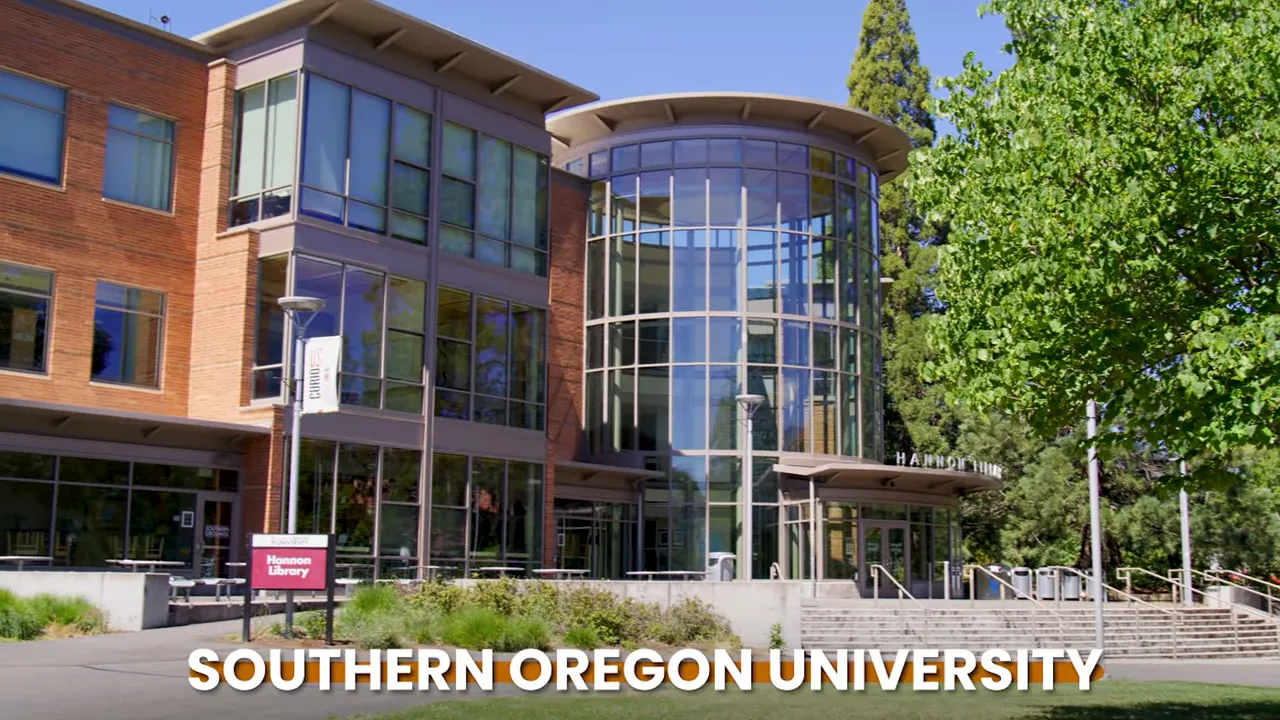
That matters because Southern Oregon has a mix of retirees, working families, students, business owners, and remote workers. Ashland benefits from Southern Oregon University, which helps keep a steady flow of students, staff, renters, and younger adults in town. It does not feel like a one-note retirement community, even though retirees absolutely can find a great fit there.
There is also a lifestyle mix that includes wineries, breweries, hiking groups, local arts, restaurants, and the cultural pull of Ashland. The Rogue Valley has received national recognition as a wine destination, while Ashland has been recognized for its arts scene.
Coastal counties tell a different demographic story. Lincoln County, including Newport and Lincoln City, has about 50,000 residents and a median age just under 53. Curry County’s median age is close to 58, placing it among Oregon’s oldest counties.
That is not automatically a negative. A quiet, retirement-heavy town may be exactly what some people want. But in a Southern Oregon vs Coastal Oregon decision, recognize that the day-to-day feel will be different. The coast may offer a slower, smaller, more retirement-oriented environment. Southern Oregon generally offers more demographic variety and a more active mix of community life.
Economic conditions should be part of the honest picture as well. Many coastal towns historically depended on timber and fishing, industries that have declined over the past few decades. Coos County, for example, has faced higher unemployment, lower household income, and higher poverty rates than broader benchmarks. Southern Oregon has challenges too, as every region does, but buyers should investigate the specific town instead of relying on postcard impressions.
Health Care Access In Southern Oregon And Coastal Oregon
Health care may be the most important practical issue for people retiring in Oregon. It is not something to sort out after closing. Before buying, consider the nearest emergency room, trauma care, specialists, and the length of the drive for complex treatment.
Southern Oregon is served by Asante, a locally owned nonprofit health system with roughly 6,000 employees serving more than 600,000 people across nine counties in Southern Oregon and Northern California. Rogue Regional Medical Center in Medford and Three Rivers Medical Center in Grants Pass were both named to Forbes’ 2026 top hospital list in the comparison.
Rogue Regional Medical Center is also a Level II trauma center. For a major accident, serious fall, or trauma requiring immediate surgical capability, having that care in Medford is a major practical advantage.
Ashland still has emergency room service, though inpatient services at Ashland Community Hospital have been wound down. That is worth knowing for anyone focused specifically on Ashland.
On the coast, many facilities are classified as critical access hospitals. That label does not mean poor-quality care. It is a federal classification based largely on distance from other hospitals and a limit of 25 beds. Still, the classification often means fewer on-site specialty services for complicated conditions.
In towns such as Newport, more serious specialty care, including cancer treatment and cardiology, may require a trip inland to Corvallis, more than an hour away. From Brookings, the trip to a larger hospital can be around two and a half hours. There are exceptions, including Bay Area Hospital in Coos Bay, but the broader point stands: specialty-care distances are usually greater along the coast.
Long-Term Home Value And Growth
No one can promise what any individual property will be worth a decade from now. Still, market direction and population trends are worth considering when comparing Southern Oregon vs Coastal Oregon.
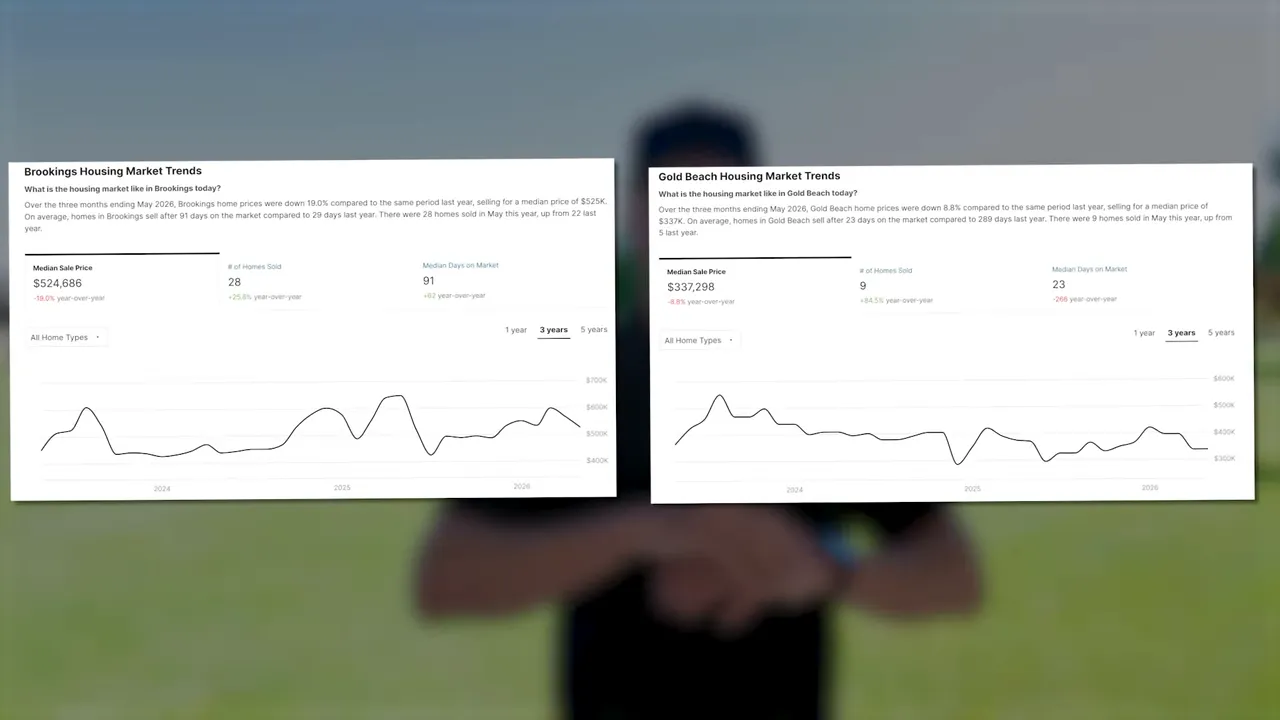
Jackson County home prices were reported up nearly 8% over the prior year, with 210 homes sold in March versus 203 the previous year. That points to an active market with demand coming from both local and out-of-state buyers.
Lincoln County prices were up around 2% over the same period, while homes took roughly 105 days to sell, improved from 131 days the year before. That is not necessarily a bad market. It is simply moving more slowly.
The bigger concern is the structural issue cited by Oregon’s chief economist: counties with disproportionately older populations can enter a feedback loop where lower earnings and spending direct resources toward senior services instead of the investments that attract younger families and businesses.
A quieter market can be a buying opportunity in the short term. But a market that is quiet because its population is aging or shrinking is different from a market that is simply stable. That distinction matters whether the future sale is yours or eventually becomes part of your family’s planning.
Southern Oregon Vs Coastal Oregon: The Bottom Line
For most retirees, Southern Oregon wins this Southern Oregon vs Coastal Oregon comparison on everyday practicality. You get drier summers, more sunshine, access to full-service hospitals and trauma care, a broader range of shopping and dining, a regional airport, Costco, and a market supported by in-migration and broader demographic diversity.
You may also get a newer or larger home for a similar budget, potentially lower property taxes depending on the county, and wildfire insurance concerns that are usually far more manageable than national headlines suggest.
That said, the Oregon Coast remains the right call for a specific kind of person. If you truly love cool temperatures, rain, gray skies, ocean access every day, small-town quiet, and you are comfortable with longer drives for specialty care, there is nothing wrong with choosing the coast. Some people try Southern Oregon, realize they miss the ocean, and are happiest when they move back to the shoreline.
The best choice is not the place that looks best in a listing photo. It is the one that supports the life you actually want to live after the boxes are unpacked. In Southern Oregon vs Coastal Oregon, be honest about your tolerance for weather, your medical needs, your budget, and your preferred pace of life. That is how you avoid making a major move twice.
Whether you're retiring in Oregon, relocating to Southern Oregon, or comparing the Rogue Valley with the Oregon Coast, I can help you find the right community, home, and lifestyle for your next chapter. Let's talk about your goals, budget, and what matters most to you.
Call or text me directly at 541-954-7758 to start planning your Southern Oregon relocation or retirement move today.
Frequently Asked Questions About Southern Oregon Vs Coastal Oregon
Is Southern Oregon warmer than Coastal Oregon?
Yes. Southern Oregon, particularly the Rogue Valley, has hotter and drier summers. The Oregon Coast stays cooler year-round because of the Pacific Ocean but is much wetter and more frequently overcast.
Is the Oregon Coast a good choice for retiring in Oregon?
It can be a great choice for retirees who value ocean access, cooler temperatures, rain, and a slower-paced community. It is important to consider longer drives for specialty medical care and the realities of coastal weather before buying.
Is wildfire insurance difficult to get in Southern Oregon?
For typical in-town properties in places such as Medford, Ashland, Grants Pass, and Central Point, insurance is generally not a major issue. Rural properties far from fire protection or surrounded by dense vegetation need more careful due diligence and property-specific insurance quotes.
Which area has better health care access, Southern Oregon or Coastal Oregon?
Southern Oregon generally offers more immediate access to full-service hospitals, specialty care, and Level II trauma services in Medford. Many coastal communities rely on critical access hospitals and may require longer trips inland for complex care.

Buying Southern Oregon
At Buying Southern Oregon, we are a dynamic team dedicated to helping you achieve your real estate goals. Combining Brian Simmons’ deep market expertise and Josh Berman’s strong negotiation skills, we provide personalized service and local knowledge to ensure a seamless and rewarding experience. Whether you’re buying, selling, or relocating, we’re here to guide you every step of the way and make your Southern Oregon real estate journey a success.
Watch Our Latest Video