Retiring to Southern Oregon: The Biggest Mistake to Avoid When Choosing a Town
A couple sat across from me in my Central Point office not long ago, laptop open, ready to write an offer on a beautiful property outside town. Updated kitchen, covered patio, incredible view, a few acres. The price made them laugh out loud, about a third of what their San Jose home would sell for. Before we wrote anything up, I asked them to walk me through a normal Tuesday in retirement. The husband didn't hesitate: "I'm gonna get up, walk to the coffee shop, read the paper, say hi to the locals, and walk home." I pulled up the map. The closest coffee shop was a 15-minute drive. No sidewalks. Not even a shoulder on the road for half the way. His wife looked at the screen, then at him. "Well, that's not gonna work, is it?"
They were about to put a huge chunk of their retirement money into a house that made it impossible to live the lifestyle they'd just described. And these were two of the sharpest, most careful people I'd ever worked with. She showed up with a binder of spreadsheets. But I see this mistake play out more times than I care to admit. People pick the town based on which one gets them the most house for the money, and six months later they realize the 20-minute drive to everything is more inconvenient than they thought. They haven't met a single neighbor. All the stuff they were excited about on the visit is on the other side of the valley. The house was a good deal, but the life didn't match up.
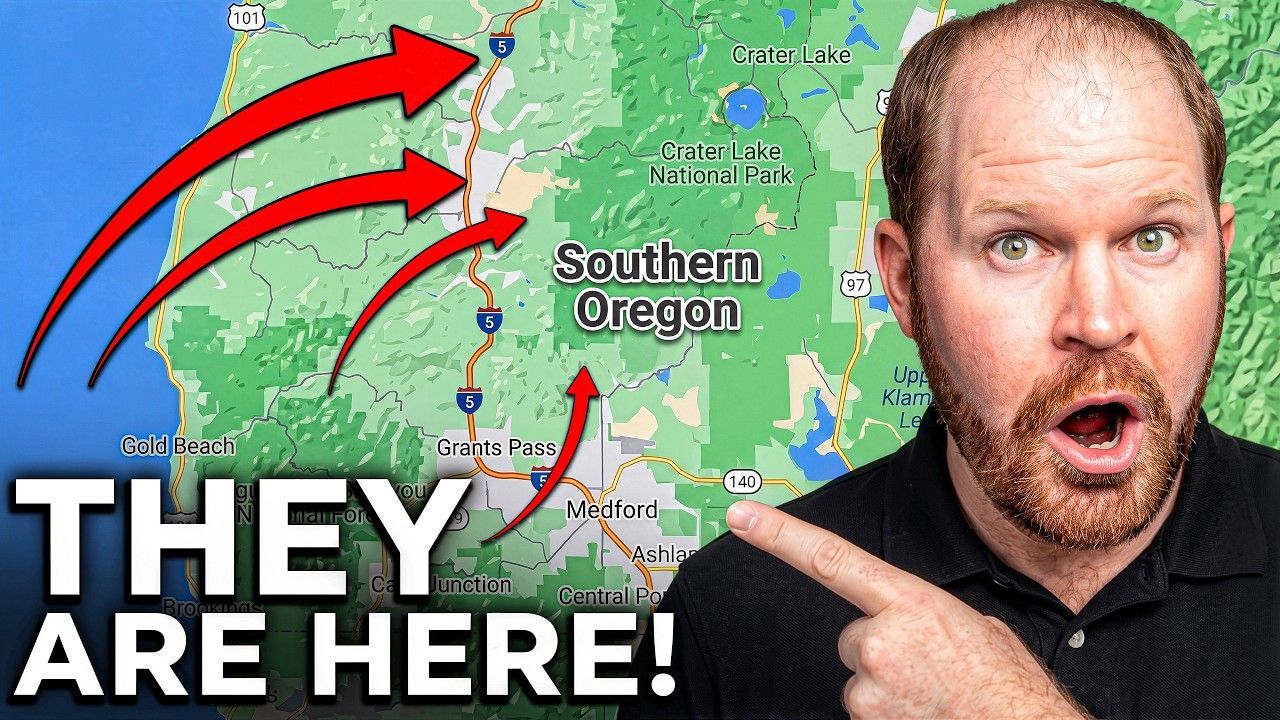
I'm Brian Simmons with the Buying Southern Oregon team. I've lived here over 30 years, closed hundreds of transactions, and helped hundreds of people relocate to Southern Oregon. In this piece, I'm going to show you what this mistake looks like, why smart people make it, and the simple checklist that keeps you from moving twice. We'll cover what retiring to Medford looks like right now, the honest trade-offs between Central Point, Grants Pass, Jacksonville, Ashland, and the rural areas, what it costs you when you get the town wrong, and how to get it right the first time.
Table of Contents
- The Mistake: Picking the Town Before Defining the Life
- Medford: The Practical Hub Everyone Drives Back To
- Central Point: Underrated for Low-Maintenance Living
- Grants Pass: River Lifestyle and Lower Taxes
- Jacksonville: Charm You Pay a Premium For
- Ashland: Walkable Culture with a Medical Trade-Off
- Rural Areas: Applegate Valley, Murphy, Williams, Rogue River, Weimer
- What It Costs When You Get the Town Wrong
- How to Get It Right: Lifestyle First, Then Town, Then House
- Conclusion
The Mistake: Picking the Town Before Defining the Life
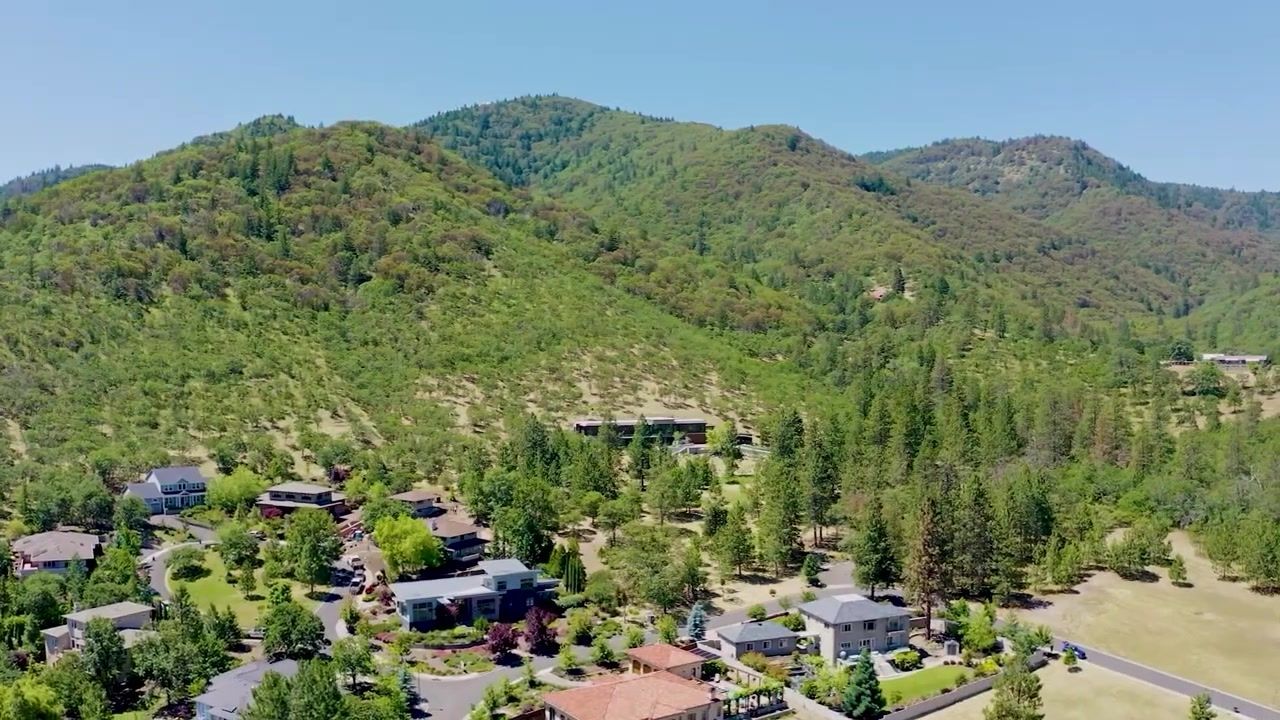
Here's how almost everybody shops for a retirement home here. They pull up Zillow, set a price filter, and start scrolling. Whichever town shows the most houses for the money becomes the town they target. I get it. You're coming from California or Washington or Arizona with equity in your house, maybe 20-plus years of appreciation, and the prices here feel like a gift. You can find homes in West Medford in the low to mid-$300s and drive 10 or 15 minutes east and be at $700,000 or over a million. Same city, same weather. Why would West Medford be cheaper than East Medford? We're gonna talk about that.
The price tag tells you what a house costs. That's all it tells you. It doesn't tell you what the lifestyle's like on a random Wednesday in February when it's gray outside and you're trying to figure out what you're gonna do that day. The big mistake is picking the town before you've defined the life. It's a sneaky decision because while you're making it, it feels like you're being responsible, being smart with your money. Then you move in, and six months later you realize the drive to everything is more inconvenient than you thought. You haven't met a single neighbor. All the stuff you were excited about is on the other side of the valley. The house is a good deal, but the life didn't match up.
There's something about this valley that explains this better than I can. The Rogue Valley is wine country. USA Today's 10 Best Reader Choice just voted it the number one wine region in the entire country in 2026, and it was number two in 2025. Ahead of huge names in California and Washington. If you talk to the growers out here, the first thing they'll tell you is that a grape has to match the ground. Out west in the Illinois Valley or Cave Junction area, it runs a little cooler. That's where you find more Pinot Noir. The Applegate sits in the middle. The warmer stretch around Medford and Ashland grows the bigger sun-loving grapes like Syrah and Tempranillo. If you plant Pinot on a hot south-facing hillside outside Talent, you might spend the next 25 years fighting that vineyard. Doesn't matter how good the vines were or how cheap the land was.
Retirement works the same way. Your lifestyle is the grape. The town is the ground. You gotta figure out the grape first, then go find the ground that fits it. Form follows function. Right grape, right ground.
Medford: The Practical Hub Everyone Drives Back To
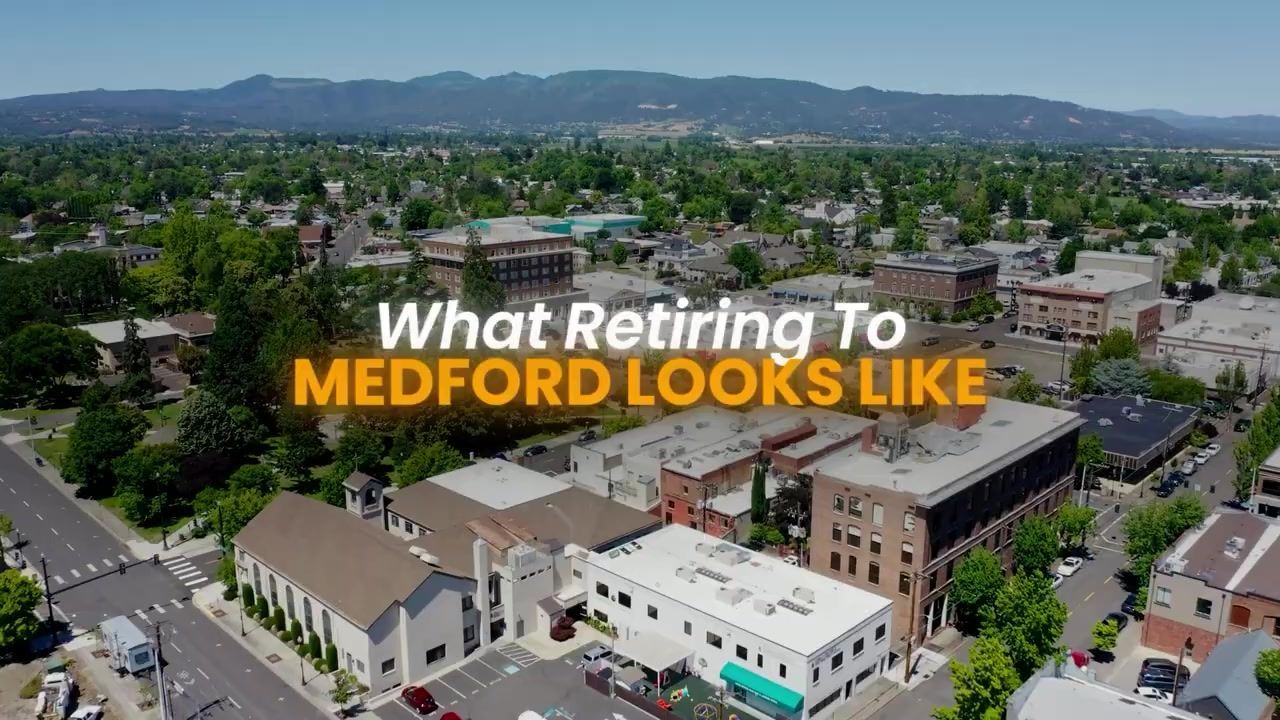
Let's set the baseline, and that's Medford. Medford is the town everybody ends up comparing everything to. It's the biggest city in Southern Oregon, around 90,000 people, and it's the hub for pretty much everything, shopping, restaurants, the regional airport, and medical care. For retirees, the medical piece is a big one. The Sante Rogue Regional Medical Center made Forbes' 2026 top hospital list with a five-star rating. Only about 259 out of roughly 5,400 hospitals in the country got that. Fortune has also named Rogue Regional one of the top 50 cardiovascular hospitals in the nation multiple years running. All that in a small town in Southern Oregon. When you're 65 trying to figure out what things look like when you're 80 or 85, that starts to matter a lot more than whether you like the kitchen countertops.
The specialists, the imaging, the follow-ups, the physical therapy, all of that clusters around the hospital, and the hospital is in Medford. The airport's the other one a lot of people underrate. Rogue Valley International Airport set an all-time record in 2025 with just over 1.1 million passengers, with direct flights to most of the big West Coast hubs, Portland, Seattle, LA, San Francisco, Vegas, Phoenix, Denver, and Salt Lake City. You can get pretty much anywhere in the country with one hop, and most places around Southern Oregon are within 15 to 20 minutes of that airport.
Price-wise, Medford is the tale of two totally different markets. West Medford has homes in the low to mid-$300s. East Medford, you can get into the million-plus range pretty easily. When somebody tells you Medford is affordable, you need to understand which one. East Medford? West Medford? South Medford? Very different feels and lifestyles. But either way, that's the baseline. Medford gives you the hospital, the airport, all the stores, the widest range of prices. What it's missing is charm. And that charm is exactly why it gets crossed off the list so fast for so many people.
I see this all the time, and it kind of drives me crazy. Somebody flies in for a long weekend, drives out of the airport, hits some of the strip malls on Crater Lake Highway, then spends an afternoon walking around Ashland and an evening in Jacksonville. They have a nice glass of local wine, and Medford's off the list. They experienced Jacksonville, they experienced Ashland, and they're like, we want to be here. I totally understand that instinct. When you're retiring, you're buying a feeling as much as the house. You want a place that made you go wow on the tour, that impressed you, because you want your family and friends to have that same feeling when they come visit.
But what most people don't realize is that Sunset Magazine named Medford one of its top small towns in 2025, the same list that awarded the same thing to Carmel-by-the-Sea. There's a whole side of Medford that visitors never see. The trails up by Roxanne Peak and Prescott Park. The Bear Creek Greenway, which you can ride all the way from Ashland to Central Point. Summer nights downtown with live music in the street. The Pear Blossom Festival. There is some real charm to Medford. You just have to know where to look and when it's happening.
Here's the part that makes me laugh a little bit. The people who cross Medford off the list for lack of charm are very often the same people driving back into Medford three times a week or even three times a day for the cardiologist, for the airport, for the dentist, for Costco, for the hardware store. It starts to add up relatively quickly. One 20- or 30-minute drive at a time depending on where you're at. Plenty of my clients shouldn't buy in Medford, and I tell them that. But crossing it off after one drive-through is the first domino in a lot of regret I tend to see later, because there are a lot of really good areas of Medford that provide a really great lifestyle. If you wanted the country club lifestyle, for example, in a really beautiful home where you can drive your golf cart right out onto the golf course, that's Medford.
Central Point: Underrated for Low-Maintenance Living
Where do people land when they want newer, simple, and close to everything? The town they end up landing in is generally Central Point. For a certain kind of retiree, it is the most underrated town in this valley. That's where our office is, Central Point in the Twin Creeks neighborhood. I'm a little biased. I love it. I actually bought my very first home ever that I owned here in this same neighborhood in Twin Creeks. But look at the location. You're minutes to Medford. You're right across town from I-5. You're about five minutes from the airport. You've got an easy shot out Highway 62 to Eagle Point and Crater Lake.
The housing's a big part of the draw. A lot of Central Point was built in the last 20-some years, especially the Twin Creeks neighborhood. Those neighborhoods run from the $400,000 range into the $700s. Nice flat area, sidewalks, big parks, single-level floor plans a lot of the times, big beautiful homes. If you're downsizing from maybe a 1970s rancher or two-story in the East Bay area with a maintenance list as long as your arm, that's a major quality of life upgrade to a no-stairs, no-maintenance, no-weekend-work situation. Big difference. That's why a lot of people make that decision.
Central Point's got a lot more personality than people expect. The Twin Creeks neighborhood itself was built around walking paths and parks. The Rogue Creamery is right there on Front Street. It's a cheese company, and their Rogue River Blue was named the best cheese in the world in 2019 in the World Cheese Awards, the first American cheese to ever win it. Beat out the entire continent of Europe, which is a fun thing to mention anytime you get a chance. What it gives up is the historic touristy stuff. There's no theater district, no brick-lined Main Street full of wine bars. It's more of a practical town, but it's proud of that and it works.
Who is Central Point right for? I would say it's the person who tells you their priorities are a low-maintenance house, short drives, money left over for travel, and parks for when the grandkids come visit. That's the person who's gonna be very happy in Central Point and they're gonna tend to stay very happy. The person who wants to stroll right out their front door into a coffee shop or wine bar, that's like the Pinot on a hot hillside. It's the wrong ground. Although I will tell you real quick, Twin Creeks does have a coffee shop and a wine bar. But in general, the rest of Central Point doesn't have much of those things. The feel is not like you have this big downtown area to walk.
Grants Pass: River Lifestyle and Lower Taxes
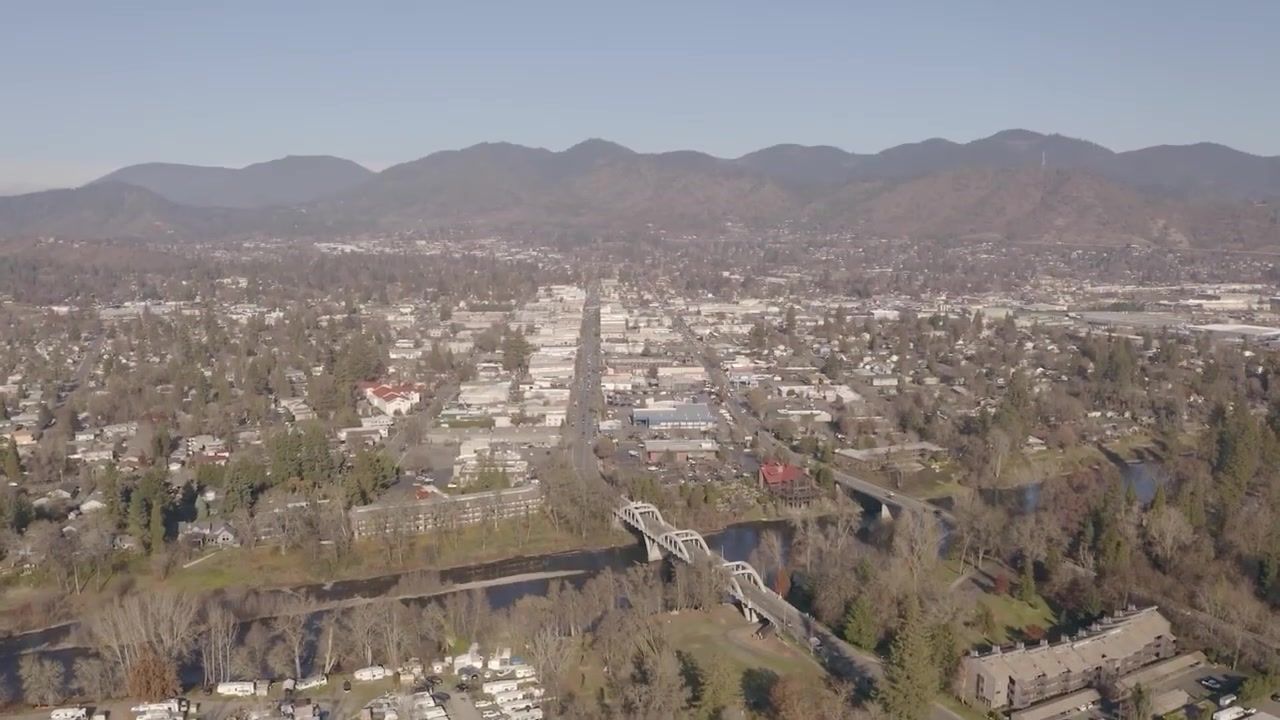
If your retirement picture has a river in it, we need to really talk about Grants Pass. Grants Pass sits over in Josephine County, about 30 minutes from Medford, and the Rogue River runs right through the middle of town. The Rogue was one of the original eight rivers protected under the Wild and Scenic Act back in 1968. That famous section starts just downstream of Grants Pass, and it's absolutely stunning. If you come into town, make sure you go on the Hellgate Jet Boat Excursion. You can ride through that section. It's absolutely beautiful and 100% worth it.
Picture the lifestyle. Morning coffee on the back deck with the river going by. A drift boat trip for steelhead with a buddy on a random Thursday just because you can, because it's there. A walk through Riverside Park before dinner, looking at the ducks and everything going on. If you want the river to be part of your weekly routine instead of special occasions, Grants Pass does that better than anywhere else in the valley.
There's a practical angle too. Josephine County's property tax rates run lower than Jackson County's. I'm not a CPA, so it's not tax advice, but run your actual numbers with a professional. I can tell you on any property in Josephine County what they pay for taxes this year. Over a span of 20 years, a $1,000 difference a year in property taxes does add up. Grants Pass has been a value play for a very long time compared to Medford and Ashland and Jacksonville. You get more house for the money over there, no question. That's a big reason practical buyers keep landing in Grants Pass.
The healthcare holds up too. Sante Three Rivers Hospital earned the same five-star Forbes rating in 2026. This valley has two of the 259 top hospitals, one on each end of the valley, Medford and Grants Pass. The town has a sense of humor about why people move there. The big arch over downtown says "It's the Climate," and it's been saying that for over 100 years. It's true.
The trade-off you get is selection. It's a smaller town. I believe it's about 40,000 people. You have fewer restaurants, although I'll tell you I think they're better than what you'll get in Medford. Fewer specialists medically, less shopping. Those are all true. A lot of Grants Pass retirees still drive over to Medford for certain appointments and certain errands like Costco, which is like a 30- or 40-minute drive depending on where you live in Grants Pass. You just gotta ask yourself, is the river worth the drive? For some people, absolutely. For others, not so much.
Jacksonville: Charm You Pay a Premium For
If there's one town in Southern Oregon that makes people absolutely fall in love on the first visit, it is hands down Jacksonville. It's a 1850s gold rush town, and the entire town is a National Historic Landmark. It was one of the first towns in the country to get that designation for the entire place back in 1966. HGTV put it on its list for the most charming small towns in America. Brick storefronts on California Street, old wooden sidewalks, and it sits right at the doorstep to the Applegate Wine Trail. It's absolutely incredible.
There's the Britt Festival, which has been running since 1963. It's outdoor concerts on a hillside amphitheater under the ponderosa pines. You bring a blanket, a bottle of wine, a little picnic, and you watch the sun go down behind the hills while the music's going. It's absolutely amazing. Taking clients there, just watching them experience it and soak it all in. Somewhere in the middle of the set, they're like, God, this is awesome. We've gotta do this more often. Then they end up buying in Jacksonville. It's those moments that people just have to slow down and soak in because that is the lifestyle you can live in Jacksonville.
Pricing there runs from mid-$500s to easily over a million and into the multiples, depending on how big of an estate you're looking at. It's also small. Not a huge market. Some of the streets can be steep, and maybe that's fine when you're 60 or 65, but when you're 85, that may not be as convenient. Your big grocery run, your hospital, your airport, those are all 15 to 20 minutes away.
Jacksonville is absolutely right for the retiree whose top priority is the charm, the atmosphere, and who doesn't mind the drive 15 or 20 minutes to get to the airport or the hospital. One thing to be aware of with Jacksonville is that it's a smaller market, and the inventory tends to be lighter. If it's one of those things where you're like, hey, we really wanna be here, it's one of those areas where you really need to be ready to buy. When you find the right place, you just got to go for it. Writing a contingent offer in Jacksonville is usually a much harder sell than some of the other parts of the valley.
Here's the thing. If your plan is like, hey, we love Jacksonville, do that for five years, and then we'll head somewhere flatter and closer into town later, I would definitely hold that thought. We're going to come back to that one in just a couple of minutes. But think about what you just heard. Jacksonville and Central Point are about 10 minutes apart. But the gap between them in price and pace and what a normal day looks like, it's pretty big. You pick the town off of a weekend visit, you find out daily life there after you've committed, and then you're either stretching the retirement budget or settling for a house you didn't want. If you're thinking about, hey, I really want to have the lifestyle where I'm able to walk into the coffee shop, Jacksonville does provide that. Central Point, not so much.
Ashland: Walkable Culture with a Medical Trade-Off
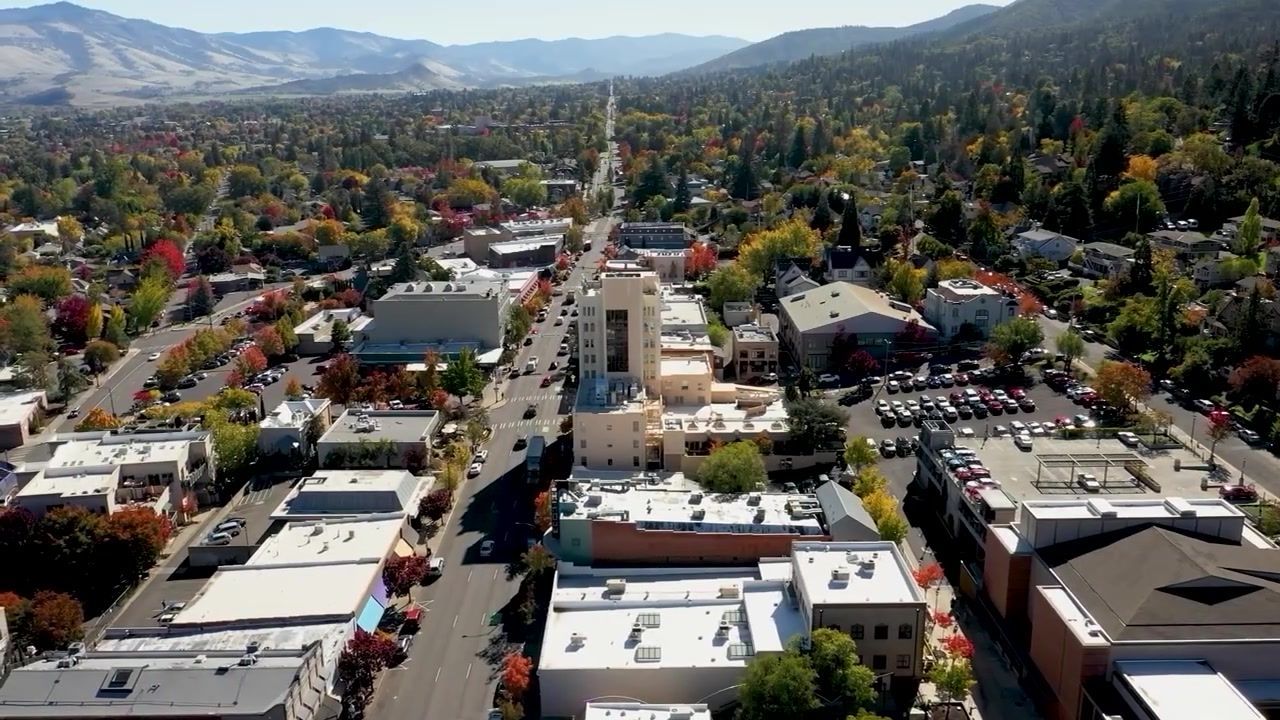
Let's talk about the town that everyone's heard of, and that's Ashland. Ashland is home to the Oregon Shakespeare Festival, which has been running since 1935. It won a Tony Award back in 1983. It's got Southern Oregon University. It's been named one of the best small arts towns in America. It has Lithia Park, which is a 93-acre park right in the middle of town, the creek running right through it from the plaza up the hill. It was designed by John McLaren, the same guy who designed Golden Gate Park in San Francisco.
Picture walking out your front door into town for a coffee, to grab a craft beer, to a bookstore or a matinee or to dinner. Ashland does that better than anywhere, even better than Jacksonville. That coffee shop guy I talked about in the beginning, this is where they ended up. This is the ground they were describing. They ended up buying a little 1950s home five or six blocks off the plaza, not half the square footage of the place they almost bought. I ran into them recently and they were telling me that he's been living that dream, walking to the coffee shop every single morning. Wife doesn't really love the amount of closet space, but she walks there too, and they love it. They got that trade-off and they were fine with it.
But you do pay for it. Ashland is one of the most expensive spots in Southern Oregon. You can find older, smaller homes under $500,000, but plan to be in the $700,000 to $1 million range for something that's newer or well located. If you go even beyond that in bigger homes, you're well into the millions. But there is one trade-off that nobody really likes to mention when you're touring around the area, and it matters more than the price. The hospital in Ashland is winding down its inpatient services. Full inpatient care for Ashland residents is at Rogue Regional Medical Center in Medford, which is 10 or 12 miles up the road.
On a normal day, 12 miles, not a big deal. But picture yourself at 85. Your spouse is in the hospital for four days and you're making that trip round trip two times a day, maybe three times a day. That's worth thinking about. Ashland is still a great fit for the right person, but you just have to go in eyes wide open. It's right for the person who wants that walkability to the town center that has the buzz and the culture, and they want it badly enough to accept they're gonna pay a premium for it and that they're gonna have to drive a little bit for the medical care. But for that person, there is no better ground in Southern Oregon without question.
Rural Areas: Applegate Valley, Murphy, Williams, Rogue River, Weimer
The last place on this list is technically a whole category of property instead of an actual town. It's the rural vibe. Think the Applegate Valley out towards Roche or the Murphy area or Williams, Rogue River and Weimer area. There's a lot of different parts of the valley that offer the five acres, a creek, a view, quiet, privacy, and a price that makes people from bigger markets like the Bay Area laugh out loud. I completely understand the pull, because I spend a lot of my own free time out there and I actually live in one of these areas I just described, and it's gorgeous. I absolutely love it.
But rural property here comes with a list of things that most relocating buyers have never really dealt with. Maybe you're on a well. In most cases you would be. So water quality and water volume are now your responsibility. You're gonna probably be on a septic system, so you need to understand that. There may be water rights attached to your land, or there may not be, and that changes what you can do with it. There's often, if you have a longer driveway, maybe a shared maintenance agreement with neighbors, which decides who grades the road, who pays for more gravel on it if it gets washed out from rain.
This is usually where people bring up some of the other risks, wildfire and insurance. I want to spend a minute here because this is one of the most overhyped topics in Southern Oregon real estate. Let's talk about the actual wildfire first, because in 2020 we had the Alameda Fire, and it was devastating for the towns of Phoenix and Talent. But it was human-caused. Investigators determined that, and it started in North Ashland. It ran right up the Bear Creek Greenway on a day that had extreme winds and extremely low resources to fight the fire because they were all out elsewhere in California and places like that.
Pull that one event out and you look at the last 10 years across both Jackson and Josephine County, the documented home losses from wildfire come to roughly three dozen. Almost all of them were in one fire, which was the South Obenchain Fire, which was out in the timbered remote hills between Shady Cove and Butte Falls. That was the one that took most of those homes. Put that next to roughly 135,000 homes in these two counties over a full decade, and it's about one in every 4,000 homes, almost every one of them deep in the trees, a long ways away from a fire station and anything like that.
The thing that goes along with fire is smoke. That's the other thing we hear a lot about. But according to Oregon's DEQ's own data, Medford averaged around seven or eight days a year of unhealthy or worse air from wildfire smoke. That's across our smokiest stretch from 2015 to 2022. DEQ also called 2025 one of the calmer smoke seasons that the state has seen in a decade. If you do the math on that, out of 365 days, you're looking at about 357 days of nice clean air. Not quite something I would say is much of an issue to be concerned about, but most summers you're going to get a few hazy days in maybe late August or September, but it clears out when the wind blows and you're right back out on the patio. It always depends on where the fire starts and which way the wind's blowing. Some years could be great and some years could not be. It just depends on all those factors.
Insurance is the other thing that comes up a lot, and it kind of follows the same pattern. Oregon ranks among the cheapest states in the entire country for homeowners insurance. You hear a lot about the challenges of getting insurance, but the reality is it hasn't really been that much of a deal. MoneyGeek has Oregon rated as number four in affordable homeowners insurance nationally. Nothing like what people are paying in California, Florida, Texas. In my experience, the only times a client of mine has had a hard time getting a policy is when the property is extremely remote, heavily wooded, and that's pretty much it. When you get a normal home in Medford, Central Point, Ashland, Jacksonville, Grants Pass, you're gonna get insurance, and you're gonna pay less than most of the country pays. Of course there's exceptions to that. Every time we look at this, it's always case by case. But for the most part, those are the facts of what I have experienced with my own clients.
There is a part about rural living that I think is very important to consider, and it's something personal to me, and it's emergency response times, because they get longer the further out that you go. I mentioned it's personal to me because my son burned his hand badly a few years ago, actually in the vacuum. It took the skin off of his hand, and he ended up having to go to the Children's Burn Center up in Portland because what he needed was not available down here. When you're in town, if something like that happens, it's very easy to get to the hospital very quickly. But if you're out 30 or 45 minutes from the hospital, those types of incidents can take much more time to get the care that you need. If it's a heart attack, if it's something major, that's an important consideration. There's a trade-off that exists there.
Rural life is right for the people that know exactly what they're signing up for and they love it anyway. When it goes wrong, it's almost always because nobody really walked them through any of this beforehand. They were in love with the idea of having a few acres and a garden and maybe some chickens. Then they get out there and they're like, oh my God, I don't know anything about this. It's overwhelming and they want to be back in town.
What It Costs When You Get the Town Wrong
Let's talk about what happens when somebody gets this wrong, because it adds up a lot more than just said, oops, we screwed up. Remember Jacksonville? We'll do this town for a few years and then we'll move somewhere that fits a little bit better later on down the road. I hear some version of that kind of regularly. Or we'll buy the cheaper place in the country now and then we'll move into town when we're older. That's the flip mindset. It's the same thinking that gets people into trouble when they're considering whether they should buy or rent. You should think about your investment in real estate as a longer-term hold, especially for your primary residence. I think it's important to run some numbers.
If you're talking about a normal median $450,000 home here, between commission and title and escrow fees on the sale, closing costs on the next purchase, and movers and all that sort of stuff, you're looking at maybe $40,000 to $50,000 just to switch towns. That's $40,000 to $50,000 of equity that is gone. You end up in a house about like the one that you left. If you finance your first house, there's a second hit. Let's say you locked in at a 6% rate a while back and today's rates are running around 7.5%. On a $300,000 loan, that's $250 more every single month for as long as you have the loan.
Here's the bigger piece, and it goes back to the market update video that I did pretty recently. I talked about the pear orchards that built this valley. If you plant a tree, it takes years before it gives you much fruit. Nobody rips out an orchard after two seasons because they're impatient. Maybe they do, but they're probably not very profitable if they did that. Vineyards are the same way. A new vine takes about three years to give you a decent harvest. The growers who do well out here are the ones who pick the right ground on day one, because once those decisions are made and those vines are in, they're living with that decision for decades.
Your home equity works the same way. In August of 2016, the median home in Jackson, Josephine County sold for $270,000. This August 2026, it was $436,000. That's about a 61% increase over 10 years, and that equates to about 5% compounded annually. When I looked at every five-year window of the last decade over our local sales data, every single one of them ended up higher than it started. That should tell you something. People who collected that growth are the ones who bought a home that they loved and they stayed in it. Every time you sell or you start over, you pay the toll and you reset the clock. That may be good for realtors like me, but it's not good for you. I would rather have you make the right decision now than be calling me and writing us a check to close on your house.
There's a whole other part to this flip mindset and maybe being in the house for three years, because retirement is where you build your people, especially if you're relocating from out of town. You make new friends, your walking group, the neighbors who watch your place when you travel, the pickleball crowd, whatever it is that you're into. When you have to relocate across town, it's like you're starting over again when you just got established. I worked with a couple who bought 10 acres out in the Williams area because the price was amazing, the views were amazing, super cool area. Eighteen months later, she calls me. She's like, Brian, we spent more time in the car than we do on this porch. And that's why we bought the place. We moved them into Central Point right after that. They're happy there now. But they tell the story themselves that those first two years they were just basically on hold. They did two years of their retirement unsettled, really not moving forward, thinking they were making the right decision, but they weren't. That's the part I really do not want to see you make.
How to Get It Right: Lifestyle First, Then Town, Then House
Here's the good news. The fix for all this is simpler than people expect. Before you look at a single house, sit down with your spouse or partner and write out how you want to spend a normal Tuesday in retirement. Where are you getting your coffee? Are you going for a walk? Where's your doctor at? Who are you seeing? Who are you spending time with? What are you doing at four o'clock in the afternoon? What does dinner look like? Do you want to go to the butcher shop and get steaks to barbecue? Do you want to go into your favorite little restaurant that knows your order by the first time they see you? Then pick the town that matches that. And then, and only then, do we begin shopping for the house.
A few other things I would check before you commit, and I mean before you sign on anything. Map the drive from each town to the doctor or to Rogue Regional Medical Center. Drive your errands at eight o'clock in the morning on a weekday. Visit in February, visit in June. See the valley on a great day, see it on a rainy day. If you could swing it, maybe rent a place for a couple weeks when you're in town and try to get more of a sample size of what it's like. If you do that in that order, it's hard to get this wrong. If you do it backwards and you make price more important than the lifestyle, which is what a lot of people end up doing, then you end up like the couple at my table, about to buy a beautiful house that does not fit the lifestyle you want to live. Right grape, right ground, then you plant.
Conclusion
The biggest mistake retirees make down here happens before they ever look at a house. It's letting the price pick the town. Figure out the life first, find the town that fits it, then buy the house and plan to stay in it a good long while. I'm Brian Simmons with the Buying Southern Oregon team. We've helped hundreds of people make this exact move, find the perfect home in the perfect part of town. We do it all the time as a full one-stop shop, buying, selling, in-house lending, all under one roof. You can deal with one team from A to Z.
If this raised questions about your own situation, like which town fits the way you want to live, what your budget looks like here, or when timing makes sense, let's talk. Call or text me directly at 541-954-7758, or email me at brian@buyingsouthernoregon.com. You can also go to buyingsouthernoregon.com/call, pick a few times that work for you, and I will get back to you personally and we'll find a time that works for us to connect. Bring your spouse, your partner, and we can have that conversation and get the ball rolling. A lot of folks come out for a visit, we drive them around, show them the town, show them some houses. You'll start to get a good feel of which one you really connect with.
FAQ
What is the biggest mistake people make when retiring to Southern Oregon?
The biggest mistake is picking the town based on price before defining the lifestyle you want to live. People scroll Zillow, set a price filter, and target whichever town shows the most houses for the money. Six months later they realize the 20-minute drive to everything is more inconvenient than they thought, they haven't met neighbors, and all the stuff they were excited about is on the other side of the valley. Figure out the life first, then pick the town that matches it, then shop for the house.
How much does it cost to switch towns after buying the wrong place?
On a median $450,000 home, you're looking at maybe $40,000 to $50,000 in equity gone just to switch towns, commission, title, escrow fees on the sale, closing costs on the next purchase, and movers. If you financed and rates went up, you could be paying $250 more every month for as long as you have the loan. You also reset the equity growth clock and start over on friendships, walking groups, and neighbors.
Which Southern Oregon town has the best medical care for retirees?
Medford has the Sante Rogue Regional Medical Center, which made Forbes' 2026 top hospital list with a five-star rating. Only about 259 out of roughly 5,400 hospitals in the country got that. Fortune has also named Rogue Regional one of the top 50 cardiovascular hospitals in the nation multiple years running. The specialists, imaging, follow-ups, and physical therapy all cluster around the hospital, and the hospital is in Medford. Grants Pass has Sante Three Rivers Hospital, which also earned the same five-star Forbes rating in 2026.
Is wildfire and smoke a major concern in Southern Oregon?
In 2020 the Alameda Fire was devastating for Phoenix and Talent, but it was human-caused. Pull that one event out and you look at the last 10 years across both Jackson and Josephine County, the documented home losses from wildfire come to roughly three dozen, almost all in one fire between Shady Cove and Butte Falls. That's about one in every 4,000 homes. According to Oregon's DEQ, Medford averaged around seven or eight days a year of unhealthy or worse air from wildfire smoke across the smokiest stretch from 2015 to 2022. DEQ called 2025 one of the calmer smoke seasons in a decade. Out of 365 days, you're looking at about 357 days of nice clean air.
How affordable is homeowners insurance in Southern Oregon?
Oregon ranks among the cheapest states in the entire country for homeowners insurance. MoneyGeek has Oregon rated as number four in affordable homeowners insurance nationally. Nothing like what people are paying in California, Florida, or Texas. In my experience, the only times a client has had a hard time getting a policy is when the property is extremely remote and heavily wooded. When you get a normal home in Medford, Central Point, Ashland, Jacksonville, or Grants Pass, you're gonna get insurance and you're gonna pay less than most of the country pays.
What should I do before committing to a town in Southern Oregon?
Before you look at a single house, sit down and write out how you want to spend a normal Tuesday in retirement. Where are you getting your coffee? What are you doing at four o'clock? What does dinner look like? Then pick the town that matches that. Map the drive from each town to the doctor or hospital. Drive your errands at eight in the morning on a weekday. Visit in February and June. See the valley on a great day and a rainy day. If you can swing it, rent a place for a couple weeks and try to get more of a sample size of what it's like.
Buying Southern Oregon
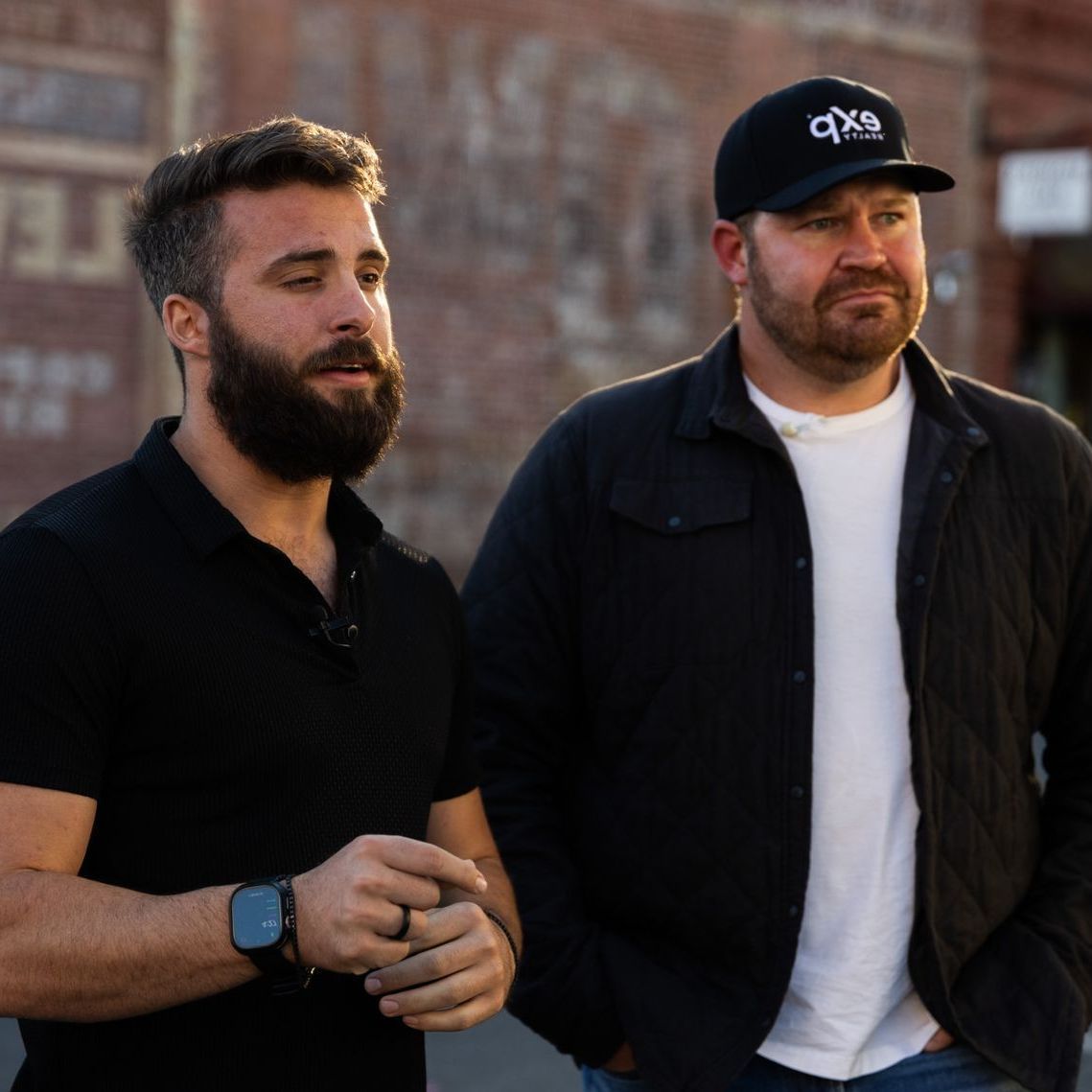
At Buying Southern Oregon, we are a dynamic team dedicated to helping you achieve your real estate goals. Combining Brian Simmons’ deep market expertise and Josh Berman’s strong negotiation skills, we provide personalized service and local knowledge to ensure a seamless and rewarding experience. Whether you’re buying, selling, or relocating, we’re here to guide you every step of the way and make your Southern Oregon real estate journey a success.
Watch Our Latest Video