Southern Oregon is Booming: What Nobody Tells You About Relocating to the Rogue Valley
Almost every buyer I work with asks the same question after they visit: how is this place still unknown? They've spent weeks watching videos, reading forums, cross-referencing cost-of-living calculators, and then they land at the Rogue Valley International Airport and realize the spreadsheet version of Southern Oregon left out the part that actually matters. The crisp mountain air hits differently than humidity. Coffee on a deck with a view of the Rogue River feels different than traffic noise. Four real seasons, not the two-season grind of scorching summers and mild winters, changes how you live, not just where you live.
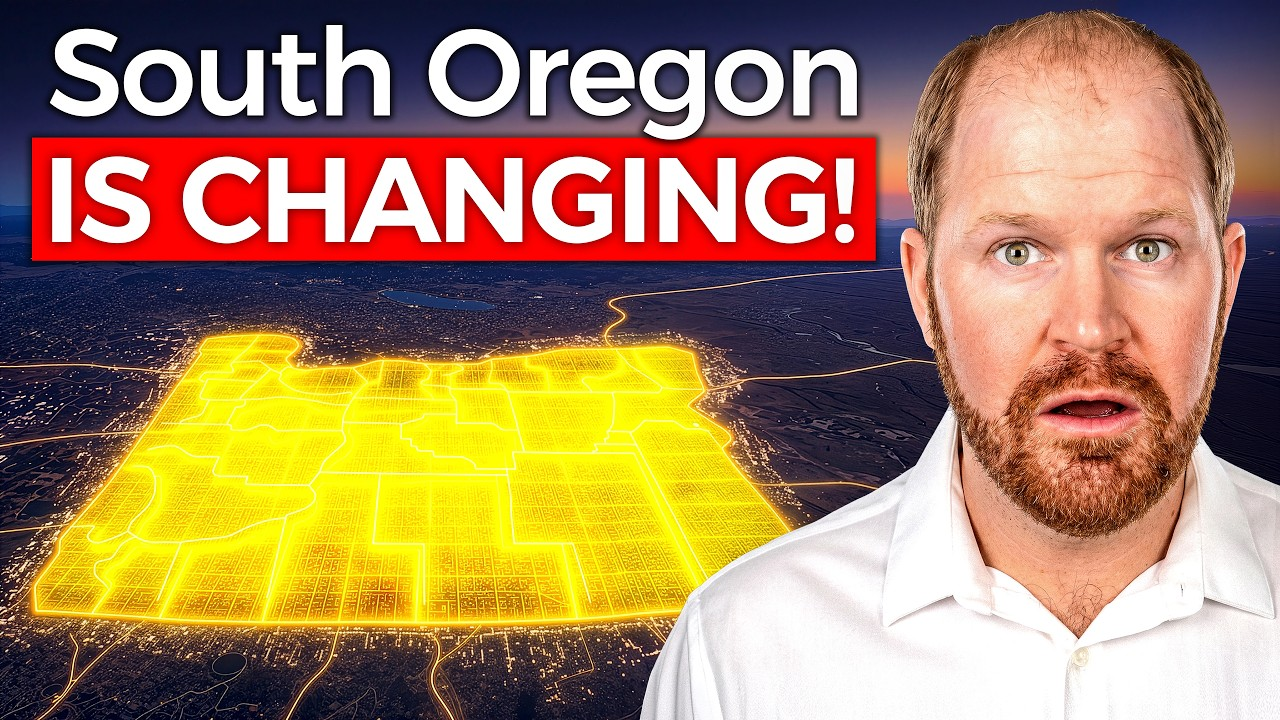
I've lived here over 30 years and helped hundreds of people relocate to Southern Oregon from nearly every corner of the country. My team is on track to close around 200 transactions in 2026, and most of those are folks moving here from somewhere else. What surprises me is how many of them had never heard of this place until they stumbled onto a YouTube video or a friend mentioned it in passing. Meanwhile, the data tells a story that's impossible to ignore: steady home price appreciation while the rest of the country flatlines, population growth after years of post-fire losses, and hundreds of millions of dollars being poured into hospitals, airports, and new neighborhoods.
This article walks through the numbers, the lifestyle, and the honest trade-offs that come with relocating to Southern Oregon. I'll cover Medford , Talent , Phoenix , Ashland , Jacksonville , Eagle Point , Central Point , and Grants Pass , the towns that make up the Rogue Valley and Josephine County. You'll get the good, the bad, and the parts that nobody else talks about because they're too busy selling you a highlight reel. If you're researching the best places to retire in Southern Oregon or trying to figure out if this valley fits your next chapter, this is the conversation we'd have if you called me today.
Table of Contents
- Southern Oregon (Rogue Valley): The Big Picture
- Medford: The Hub of Growth and Investment
- Talent: Rebuilding After the Almeda Fire
- Phoenix: Brand New Construction in an Established Community
- Ashland: Arts, Culture, and the Oregon Shakespeare Festival
- Jacksonville: Gold Rush Charm and the Britt Festival
- Eagle Point: Steady Growth in a Smaller Town
- Central Point: Adding Residents Without the Hype
- Grants Pass: Forbes-Rated Healthcare in Josephine County
- Which Area is Right for You?
- Conclusion: The Honest Version is Better Than the Highlight Reel
Southern Oregon (Rogue Valley): The Big Picture
The Rogue Valley spans Jackson and Josephine Counties, and it's the kind of place where outdoor access isn't a weekend drive, it's right outside your back door. The Rogue River runs through the middle of everything, offering world-class fishing, rafting, and kayaking. Crater Lake National Park, home of the deepest lake in the country, sits about an hour away. Mount Ashland delivers skiing in winter and mountain biking the rest of the year. Millions of acres of national forest surround the valley, and hiking and biking trails crisscross both counties. You're not visiting nature here. You're living in it.
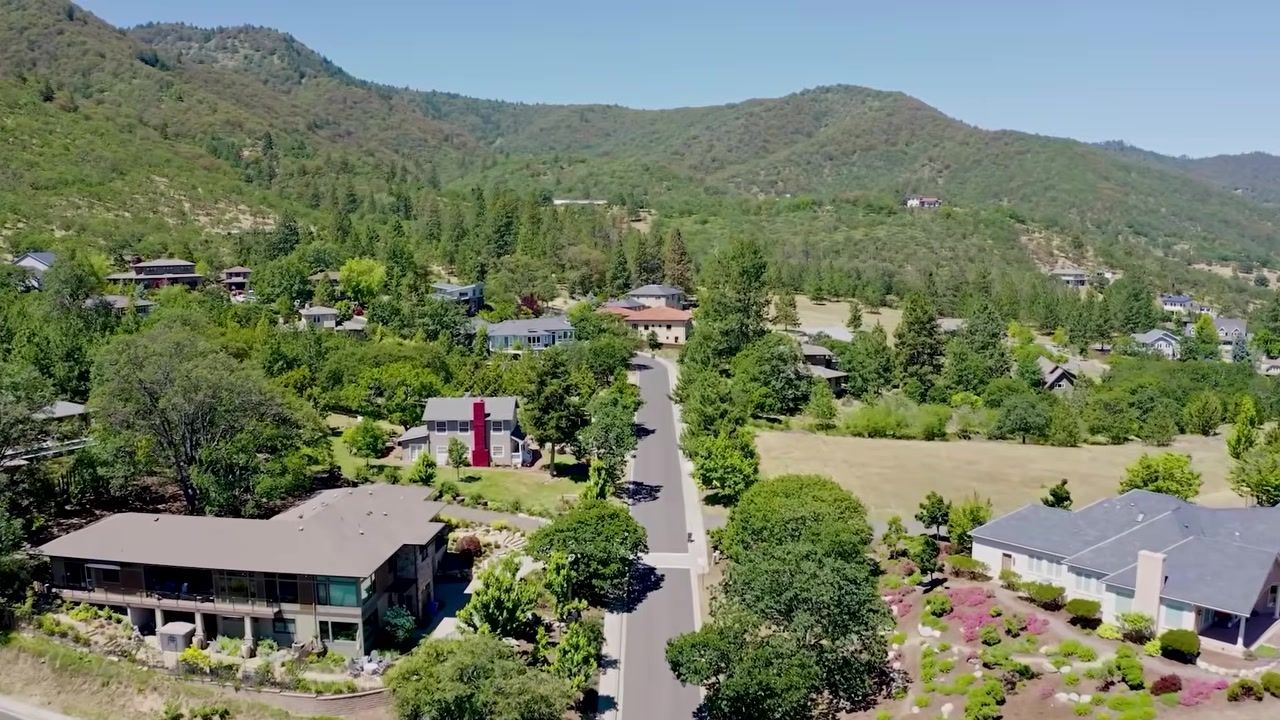
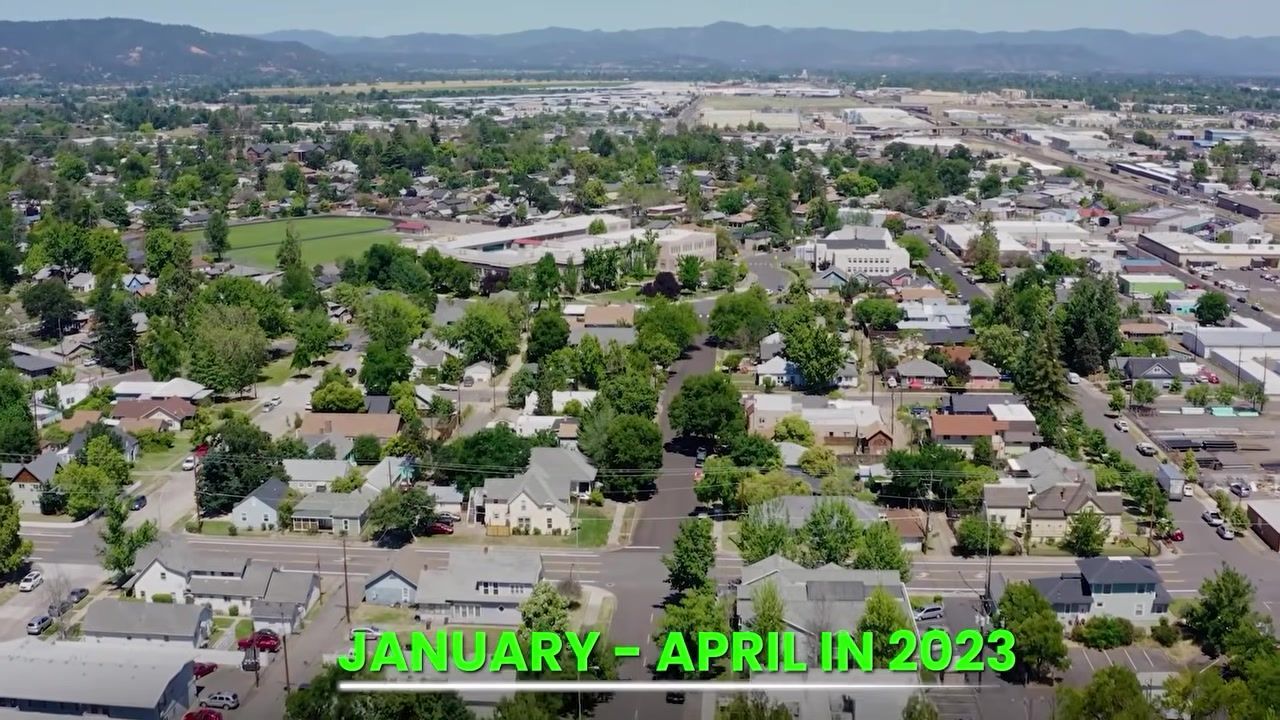
The median sold price across Jackson and Josephine Counties hit $437,000 in the first four months of 2026, up from $416,000 during the same window in 2023. That's about a 5% gain over three years. Jackson County specifically climbed almost 6% during that stretch. Nationally, home prices have been moving in the low single digits, maybe 1% or 2%, so this isn't about Southern Oregon racing ahead of everywhere else. It's proof that the Rogue Valley can deliver steady appreciation in a market that's been calm almost everywhere else. Rising home values only happen when there's real demand behind them, and real demand only shows up in places people actually want to live.
Closed sales in that same four-month window climbed about 13%, which tells you buyers are writing offers and getting to the closing table, not just watching from the sidelines. The engine behind that growth isn't births, Oregon has more deaths than births every year due to the higher median age population. The engine is migration. In the most recent year of documented data, about 1,100 more people moved into Jackson County than moved out. Compare that to several Oregon counties that are shrinking outright, mostly along the coast or in rural eastern Oregon, and you start to see why Southern Oregon stands out.
The climate here is genuinely attractive: four distinct seasons, warm summers on rivers and lakes, a fall full of colors that rival the Northeast, actual winters with snow-capped mountains (not snow-filled driveways), and springs full of wildflowers and pear blossoms. The air is crisp and clean, with low humidity. On average, the valley sees about 357 days a year of clean air, even across the smokiest recent years. That leaves about 7 or 8 days of unhealthy air quality from wildfire smoke, according to the state's own DEQ data. I wouldn't cross a place off my list over 357 days of great air quality.
Wine, Arts, and Culture
The Rogue Valley was just named the number one wine region in the entire country by USA Today's 10 Best Readers' Choice Awards, beating out famous names from California and Washington. Over 85 tasting rooms are scattered across the valley, and a lot of them are a short drive from most towns. Ashland has been recognized as one of the best small arts towns in the country, home to the world-famous Oregon Shakespeare Festival. Jacksonville is a beautifully preserved Gold Rush era town on the National Historic Register, and it shows up on HGTV's list of the most charming small towns in America. It also hosts the Britt Festival, a summer concert series held outdoors on a hillside amphitheater. Medford itself just landed on Sunset Magazine's list of the top small towns in America.
Healthcare That Rivals Major Cities
Healthcare starts to matter more as you get closer to retirement, and Southern Oregon punches well above its weight. Santé Rogue Regional Medical Center has been named one of the top cardiovascular hospitals in the country by Fortune and IBM Watson Health. Just this month, Rogue Regional was also named a Best Regional Hospital for Community Access by U.S. News and World Report, the only hospital in the entire state of Oregon and one of just 73 nationwide to earn that distinction. Both Rogue Regional and Three Rivers Medical Center in Grants Pass landed on Forbes' Top Hospitals list for 2026, earning 5-star ratings out of only around 259 hospitals nationally. We've got two of them right here in a valley of this size, which is not something you'd expect walking in.
Cost of Living and Taxes
Oregon has zero sales tax. None. Social Security is not taxed at the state level either. Median home prices sit well below the Bay Area, Southern California, and most West Coast markets people are leaving to get here. Oregon also consistently ranks as one of the cheapest states in the entire country for homeowners insurance, somewhere in the top 4 or top 10 nationally, depending on which rankings you look at. That's nowhere close to what you'd pay in Florida, Texas, or California. For the typical in-town buyer looking at a 3-bed, 2-bath house in a subdivision, insurance is not an obstacle.
Medford: The Hub of Growth and Investment
Medford is the largest city in the region, and it's where most of the major investments are landing. The city added around 1,200 new residents in 2025, and it grew about 4.5% during the post-fire period. Homelessness can be an issue in certain parts of town, but it's concentrated into specific identifiable areas, not widespread throughout every neighborhood you'd be looking at. It has meaningfully improved from where it was a couple years ago. Once you visit and drive around, you'll see it for yourself.
The Rogue X campus in West Medford has already seen something like $76 million invested into the property, and they just added a 50-acre sports hub this year: pickleball courts, sand volleyball courts, youth baseball fields, walking paths. When a community commits that kind of money to a single project, somebody's betting that people are going to keep showing up here for a long time.
The Santé Pavilion expansion at Rogue Regional Medical Center was a $420-something million project that's wrapping up this year. They're finishing a cardiac unit expansion this fall, and they've already opened a women's and children's center with its own dedicated NICU and expanded intensive care unit capacity. Nobody plans to double the size of a hospital if the region is leveling off or shrinking.
Airport Expansion and New Neighborhoods
The Rogue Valley International Airport set an all-time passenger record in 2025 with over 1.1 million passengers, up 6.5% from the year before. A $180 million terminal expansion is set to break ground this year, aiming to nearly double the capacity. Nobody plans to double the size of an airport if the region is leveling off.
On the housing side, D.R. Horton, one of the nation's largest home builders, is actively developing the Addison Park project in South Medford, which is over 450 units. East Medford is seeing new developments around Cedar Lakes, Springbrook, and Owen from regional and local builders. If you're relocating to Medford and want to be close to new construction, healthcare, and the airport, this is where the action is.
Talent: Rebuilding After the Almeda Fire
Talent was heavily impacted by the 2020 Almeda Fire, and it's been climbing back toward its pre-fire population ever since. The town grew about 6.5% during the post-fire period, which is a meaningful rebound for a community that lost so much. Close to 300 rebuilds have been approved in Talent and Phoenix combined since the fire, which means you're getting brand new construction inside communities that already had the character and location people wanted.

The Almeda Fire was human-caused and ended up being one of the most destructive wildfires in Oregon's history as a state. It tore through Talent and Phoenix in September 2020, displacing thousands of people. Some of them left the area entirely because there was a lack of housing, which is a big part of why Jackson County lost residents overall for four straight years after the fire. But if you look at what's actually happening inside the cities during that same stretch, you'd see that Talent grew by about 6.5%, even while other displaced residents were still leaving the broader area.
If you're looking for a smaller town with new construction and a sense of community that's rebuilding together, Talent is worth a look. It's close to Ashland, close to Medford, and it's got a character that's hard to find in brand new subdivisions.
Phoenix: Brand New Construction in an Established Community
Phoenix shares the same story as Talent: heavily impacted by the Almeda Fire, climbing back toward its pre-fire population, and seeing close to 300 rebuilds approved since the fire. You're getting brand new construction in an established community, which is a rare combination. Phoenix doesn't have the same name recognition as Ashland or Jacksonville, but it's got the location and the rebuilding momentum that makes it attractive to buyers who want new construction without the cookie-cutter feel of a master-planned development.
The fire displaced thousands of people, and some of them left the area entirely. But the ones who stayed, and the new buyers who are moving in, are choosing Phoenix because it's got the bones of a real community, not just a subdivision. If you're relocating to Southern Oregon and want to be part of a town that's rebuilding from the ground up, Phoenix is one of the places where that's actually happening.
Ashland: Arts, Culture, and the Oregon Shakespeare Festival
Ashland is home to the Oregon Shakespeare Festival, which is world-famous and has been recognized as one of the best small arts towns in the entire country. If you're into theater, music, and cultural events, Ashland is the town that delivers that lifestyle year-round. It's not just a summer festival, it's a community that's built around the arts.
Ashland sits close to the California border, and it's got a different vibe than the rest of the valley. It's more walkable, more eclectic, and more expensive. The Oregon Shakespeare Festival draws visitors from all over the country, and the town has built an entire ecosystem around that. If you're relocating to Ashland, you're choosing a lifestyle that's more urban than the rest of Southern Oregon, even though it's still a small town by most standards.
Jacksonville: Gold Rush Charm and the Britt Festival
Jacksonville is a beautifully preserved Gold Rush era town that's on the National Historic Register and shows up on HGTV's list of the most charming small towns in America. It grew about 5% during the post-fire period, which tells you people are choosing this town even while other parts of the county were losing residents. The Britt Festival is a summer concert series held outdoors on a hillside amphitheater, and it's one of the main reasons people visit Jacksonville every year.

If you're looking for historic character, a small-town feel, and a community that's built around preservation rather than new construction, Jacksonville is the place. It's close to Medford, close to the airport, and it's got a charm that's hard to replicate anywhere else in the valley. The trade-off is that homes here tend to be older, and you're not going to find the same inventory of new construction that you'd see in Medford or Talent.
Eagle Point: Steady Growth in a Smaller Town
Eagle Point grew over 5% during the post-fire period and added a few hundred residents in 2025. It's a smaller town that doesn't get the same attention as Medford or Ashland, but it's been growing steadily without the hype. If you're looking for a quieter town with access to the rest of the valley, Eagle Point is worth considering. It's close enough to Medford for shopping and healthcare, but far enough away that it still feels like a small town.
Central Point: Adding Residents Without the Hype
Central Point added a few hundred residents in 2025, and it's been growing steadily without making headlines. It's centrally located (hence the name), and it's got easy access to Medford, Ashland, and Jacksonville. If you're relocating to Southern Oregon and want to be in the middle of everything without living in the largest city, Central Point is a solid option. It's got newer neighborhoods, good access to I-5, and it's close to the airport.
Grants Pass: Forbes-Rated Healthcare in Josephine County
Grants Pass sits in Josephine County, just west of Jackson County, and it's got its own identity separate from the Rogue Valley. Three Rivers Medical Center landed on Forbes' Top Hospitals list for 2026, earning a 5-star rating out of only around 259 hospitals nationally. That's a big deal for a town of this size, and it's one of the reasons people choose Grants Pass when they're relocating to Southern Oregon.
Grants Pass is closer to the coast than Medford, and it's got a different climate, slightly warmer in summer, slightly cooler in winter. If you're looking for a smaller town with good healthcare and a community that's a little more laid-back than the rest of the valley, Grants Pass is worth a look.
Which Area is Right for You?
If you're relocating to Southern Oregon, the question isn't whether this place is growing, it is. The question is which town fits the lifestyle you're actually trying to live. Here's how I'd break it down based on what buyers tell me they're looking for:
- Choose Medford if you want to be close to the airport, hospitals, shopping, and new construction. It's the largest city, and it's where most of the major investments are landing. You'll have the most inventory to choose from, and you'll be in the middle of everything.
- Choose Talent or Phoenix if you want brand new construction in an established community with character. These towns are rebuilding after the Almeda Fire, and you're getting new homes in places that already had the location and the feel people wanted.
- Choose Ashland if you're into arts, culture, and a more walkable, eclectic vibe. It's more expensive than the rest of the valley, but it's got a lifestyle that's hard to find anywhere else in Southern Oregon.
- Choose Jacksonville if you want historic charm, a small-town feel, and a community that's built around preservation. The trade-off is older homes and less inventory, but the character is unmatched.
- Choose Eagle Point or Central Point if you want a quieter town with access to the rest of the valley. You'll be close enough to Medford for shopping and healthcare, but far enough away that it still feels like a small town.
- Choose Grants Pass if you want a smaller town with good healthcare and a community that's a little more laid-back than the rest of the valley. It's closer to the coast, and it's got its own identity separate from the Rogue Valley.
The honest version of this conversation is that every town has trade-offs. Medford has more inventory but also more traffic. Ashland has more culture but also higher prices. Jacksonville has more charm but less new construction. Talent and Phoenix have new construction but are still rebuilding. Eagle Point and Central Point are quieter but have less going on. Grants Pass is more laid-back but farther from the airport. The question is which trade-offs you're willing to make for the lifestyle you're actually trying to live.
Conclusion: The Honest Version is Better Than the Highlight Reel
The honest version of the Southern Oregon story is much better than some highlight reel version. This place has earned enough of its growth back after a genuinely rough stretch after the Almeda Fire, and it's still earning it every single day through people choosing to move here. The data backs it up: steady home price appreciation, population growth after years of post-fire losses, and hundreds of millions of dollars being poured into hospitals, airports, and new neighborhoods.
But the data doesn't tell you what it feels like to have coffee on a deck with a view of the Rogue River, or what it's like to drive to Crater Lake on a Saturday morning, or how it changes your day-to-day life when you're not drenched in sweat by 8 a.m. because the humidity is unbearable. The spreadsheet version of Southern Oregon leaves out the part that actually matters, and that's the part I'd rather talk to you about.
If you're thinking about relocating to Southern Oregon, reach out. Call, text me at 541-954-7758, or email me directly at or brian@buyingsouthernoregon.com. You're going to get me on the other end, not a letter, not a queue. I'd rather have an actual conversation with you than have you piece it together from a video. Whether you're a year out or ready to visit next month, I'd be more than happy to chat about what we can do to help you accomplish your goals.
FAQ: What Buyers Ask About Southern Oregon
Is wildfire risk a real concern when buying a home in Southern Oregon?
Wildfire risk exists anywhere you have beautiful forests and mountains, and Southern Oregon is no exception. But statistically, losing your home to wildfire here is a very rare event. Most homeowners go their entire time owning a property without it ever becoming a real issue. The state's own air quality data shows that even across the smokiest recent years, Medford has averaged somewhere around 7 or 8 days of actually unhealthy air quality from wildfire smoke, leaving about 357 days of clean air. I wouldn't cross a place off my list over that.
Is homeowners insurance expensive or hard to get in Southern Oregon?
Oregon consistently ranks as one of the cheapest states in the entire country for homeowners insurance, somewhere in the top 4 or top 10 nationally. That's nowhere close to what you'd pay in Florida, Texas, or California. The only time insurance has been a real challenge for my clients is when a property is genuinely remote, heavily wooded on all sides, and more than 10 miles away from the nearest fire station. If you're buying a home in a subdivision, insurance is a non-issue.
How bad is homelessness in Medford?
Homelessness exists in certain parts of Medford, but it's concentrated into specific identifiable areas, not widespread throughout every neighborhood you'd be looking at. It has meaningfully improved from where it was a couple years ago. Once you visit and drive around, you'll see it for yourself. It's a real issue, but it's nowhere near the scale that some people assume from the outside.

Buying Southern Oregon
At Buying Southern Oregon, we are a dynamic team dedicated to helping you achieve your real estate goals. Combining Brian Simmons’ deep market expertise and Josh Berman’s strong negotiation skills, we provide personalized service and local knowledge to ensure a seamless and rewarding experience. Whether you’re buying, selling, or relocating, we’re here to guide you every step of the way and make your Southern Oregon real estate journey a success.
Watch Our Latest Video